Brands and product examples
The information below relates to the product examples mentioned. A retailer’s name doesn’t mean that its entire range is organic or suitable for a specific diet.
Albert Heijn
AH Biologisch Rozijnen is a specific product example with organic and explicit dietary claims.
- Albert Heijn states that it is gluten-free and lactose-free, and lists raisins and sunflower oil as ingredients.
- These claims aren’t a general guarantee about allergens, nor do they mean the product is suitable for every avoidance diet.
Jumbo
Jumbo provides product information for 500 g of Biologisch Sultanarozijnen.
- The product page describes them as organic sultanas.
- Jumbo states that the product reviewed is from its online range and may contain nuts, peanuts and sesame.
PLUS
PLUS’s product information relates to BIO+ Sultana rozijnen in a 250 g bag.
- PLUS states that it contains 99% organically sourced raisins and sunflower oil.
- A simple ingredients list doesn’t, on its own, confirm that cross-contamination has been ruled out.
Lidl
Lidl lists a dried fruit mix, which is a different type of product from loose raisins.
- A mix gives you several types of dried fruit in one product.
- Assess the ingredients and warnings for each mix individually; the product name alone doesn’t tell you whether it’s organic or suitable for a specific diet.
ALDI
ALDI’s product information relates to a 500 g pack of Trader Joe’s raisins.
- The product name and pack size are listed.
- This product information alone doesn’t substantiate organic certification or a specific free-from claim.
Dirk
Dirk lists regular raisins in a 750 g pack.
- The pack size is useful when comparing quantities.
- The product name alone doesn’t confirm organic certification or suitability for a specific avoidance diet.
Joybuy product picks
This selection includes organic raisins and dates, as well as an organic fruit snack. Check the ingredients and the dietary claim that matters to you for each product.
 No image available
De Kleine Keuken Organic raisins 12M+, 140 g
A good choice if you’re looking for organic raisins with product information about added sugars and sulphites.
Ingredients: raisins. The product information states that there are no added sugars or sulphites.
The pack contains 10 servings of 14 g. Store in a cool, dry, dark place.
The product information says it can be used from 12 months. It isn’t suitable for children with swallowing difficulties, and supervision while eating is advised.
View at Joybuy
 No image available
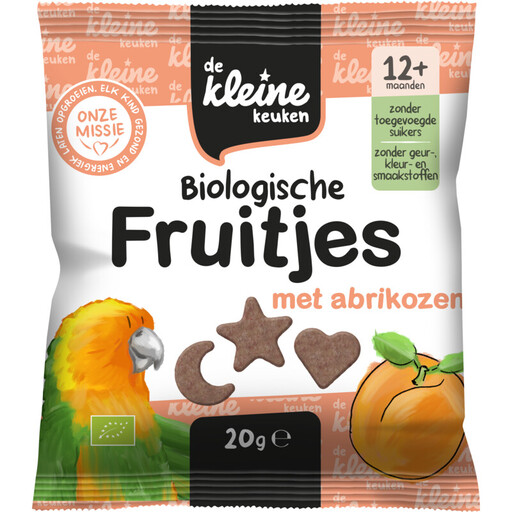
De Kleine Keuken Organic Fruitjes with Apricots, 20 g
This organic fruit snack is an option if you’re looking for a mix of dried apricot, dates and banana with no added sugar.
The product information lists 44% dried apricots, 44% dates, 8% bananas and 4% rice flour.
According to the product information, it may contain traces of nuts.
View at Joybuy
 No image available
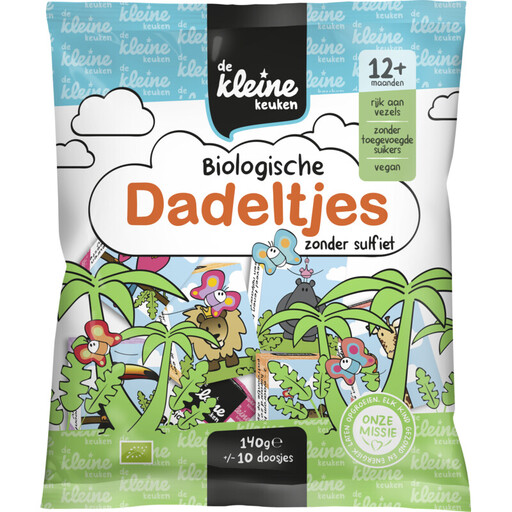
De Kleine Keuken Organic Dates 12+
These organic dates could be a good fit if you’re looking for a product with dates as its main ingredient and information about sulphites.
The ingredients are listed as 95% dates and 5% rice flour. The product information states that there are no added sugars or sulphites.
Store in a cool, dry, dark place. The product title indicates 12+.
View at Joybuy
Frequently asked questions
If I have a food allergy, what should I check besides the ingredients?
Also check for warnings about the possible accidental presence of allergens. New rules for allergen warnings on prepacked foods have applied in the Netherlands since 1 January 2026; the NVWA explains how and when businesses must provide these warnings.
Does lactose-free mean suitable for someone with a milk allergy?
No. Treat lactose intolerance and milk allergy as separate issues. Voedingscentrum distinguishes between food allergy and intolerance, so don’t take a lactose-free claim as a general guarantee about allergens.
How can I recognise a properly substantiated organic claim?
The EU organic logo can be used on products that are certified organic and meet the requirements. The European Commission also provides information about the control code and agricultural origin. For imported products, the logo is optional, so its absence doesn’t always mean a product isn’t organic.
Does no added sugar mean dried fruit is sugar-free?
No, dried fruit can contain naturally occurring sugars. Voedingscentrum advises eating no more than a handful of dried fruit without added sugar because of its sugar content. For example, AH Biologisch Rozijnen lists 59 g of sugars per 100 g (Albert Heijn).
How should I store organic raisins?
Follow the advice on the packaging of the product you buy. BIO+ Sultana rozijnen at PLUS advises storing them in a cool, dry, dark place. Don’t assume the same instructions apply to another product without checking.


