What should you look for when buying?
Start by thinking about the ingredients you want and who will be eating them. Then check the organic label, portion information and storage instructions on the pack you’re considering.
| What to consider |
What should you check? |
Who is this most important for? |
| Organic status |
Check the organic label and certification mark on the specific product; don’t rely only on the shop’s name or words such as ‘natural’. |
If I want to buy organic, I want to be able to identify this on the pack I choose. Around 26% of consumers give organic status top priority. |
| Individual fruits or a mix |
Check which fruits and any nuts are included, and look at their proportions if these are listed. |
If I want to arrange my own bowls or serve a ready-made combination, the ingredients list makes all the difference. Around 21% of consumers prioritise variety for a gathering. |
| Allergens and guests |
Read both the ingredients and the allergen information and warnings on the current label. |
If I need to cater for guests who avoid certain ingredients, I don’t want to rely on the product name alone. Around 21% of consumers give ingredients suitable for their guests top priority. |
| Sugars and portions |
Compare total sugars per 100 g with added sugars, and distinguish a manufacturer’s serving size from dietary advice. For the pineapple examined, Albert Heijn lists 0 g of added sugars and 67 g of total sugars per 100 g. |
If I want to make an informed choice about what I serve or eat, it’s important to distinguish added sugars from total sugars. Around 16% of consumers prioritise information about sugar and portions. |
| Packaging and storage |
Choose a net weight that suits your gathering and read the storage instructions for after opening. The packs examined at Albert Heijn and PLUS range from 80 g to 350 g. |
If I’m also planning to use the fruit for breakfast, I want to choose an amount that suits how I’ll use it later and follow the storage instructions. Around 16% of consumers consider a suitable quantity and future use most important. |
Joybuy product picks
The Joybuy picks below include raisins, dates and fruity snacks for different occasions. Check the organic label on each pack, and make sure the portion and usage warnings are suitable for everyone who’ll be eating them.
 No image available
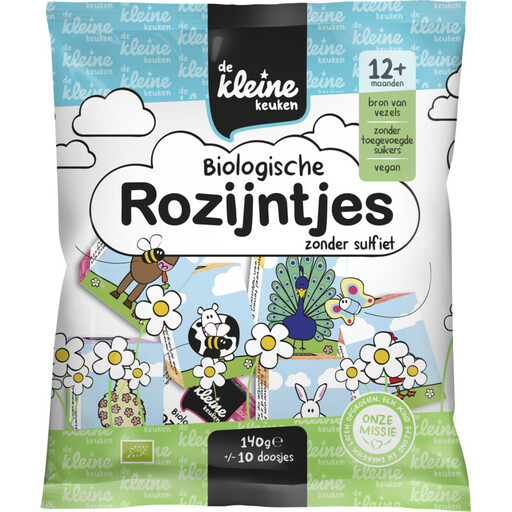
De Kleine Keuken Organic Raisins 12M+ 140 g
The individual snack boxes may suit you if you want to serve raisins in small portions; they’re a different option from a large sharing bowl.
The product description lists 14 g boxes, raisins with no added sugars or sulphites, and storage in a cool, dry, dark place. The product information says they’re suitable from 12 months: supervise children while they eat, don’t use them for children with swallowing difficulties, and be aware that a stalk or stone may remain. Check the organic label on the packaging before serving them as organic.
Joybuy
 No image available
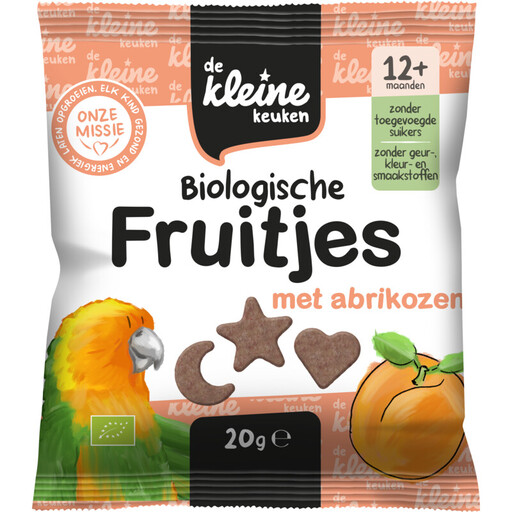
De Kleine Keuken Organic Fruitjes with Apricots 20 g
This fruity snack has several ingredients and comes in a small pack. Check that it’s the right kind of option for what you want to serve at your gathering.
The product description lists 44% apricots, 44% dates, 8% banana and 4% rice flour, with no added sugar. The information says it’s suitable from 12 months and may contain traces of nuts. Check the organic label on the packaging before serving it as organic.
Joybuy
 No image available
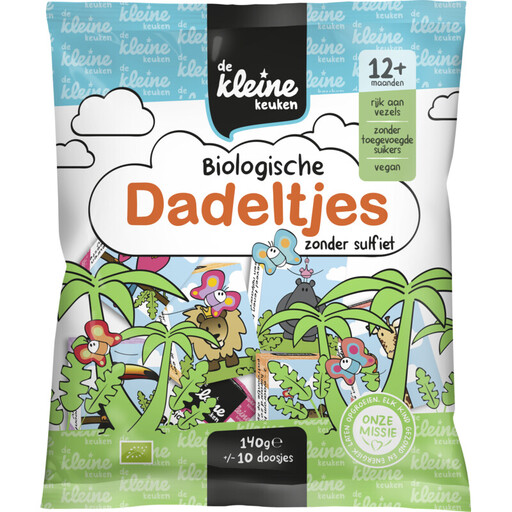
De Kleine Keuken Organic Dates 12+
This date option is worth considering if you’d like to serve another dried fruit alongside raisins; the product information says it’s suitable from 12 months.
The description lists 95% dates and 5% rice flour, with no added sugars. It should be stored in a cool, dry, dark place. Supervise young children while they eat and make sure they’re sitting upright. Check the organic label on the packaging before serving them as organic.
Joybuy
 No image available
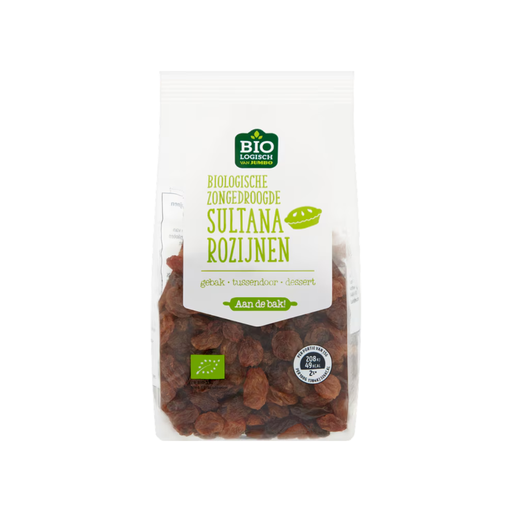
B+ Sultana Raisins 250 g
This pack of sultana raisins could work well if you want to serve the same fruit at your gathering and later with breakfast cereal.
The ingredients are raisins and sunflower oil from organic sources. The product description suggests eating them as a snack or adding them to breakfast cereal, and recommends resealing the pack after opening. Despite checks, a stalk or stone may remain. Check the organic label on the packaging before serving them as organic.
Joybuy
Frequently asked questions
How can you identify organic dried fruit in the Netherlands?
Check the organic label on the specific product and look for the EU organic logo. The Dutch government says ‘organic’ is a protected term for products that have been inspected. A natural appearance or a shop’s organic range does not, by itself, prove the status of an individual pack.
Is fruit with no nuts listed as an ingredient suitable for someone with a nut allergy?
You can’t tell from the ingredients list alone. The Albert Heijn pineapple examined lists dried pineapple as its ingredient, but warns that it may contain peanuts and various nuts. If an allergy is a concern, also check the allergen information and warnings on the current label.
Which portion size is dietary advice, and which comes from the manufacturer?
The Netherlands Nutrition Centre advises eating no more than 20 g of dried fruit a day; this is dietary advice, not a legal limit on what you can buy. For the raisins examined, PLUS gives a manufacturer’s serving size of 25 g, while Jumbo provides nutritional information per 15 g. Check what the stated portion size refers to.
Can you use leftovers with breakfast later?
Yes, if the product is suitable and you follow the storage instructions. Albert Heijn suggests using the fruit and nut mix as a yoghurt topping, and Jumbo recommends adding raisins to porridge. The Albert Heijn products examined have a limited shelf life after opening, so follow the instructions on the individual pack rather than applying one storage period to all products.


