What should you look for when choosing?
First, match the form you serve to your baby’s eating skills. Then check the organic status, ingredients and storage instructions.
| What to consider |
What should you check? |
Who will find this important? |
| Suitable texture |
The Netherlands Nutrition Centre advises taking into account whether your baby can sit upright, chew and swallow, offering gradually coarser textures and staying with them. UK GOV.UK guidance says raisins should be finely chopped and served as part of a meal for children under 12 months, not as a snack on their own. This is additional UK guidance, not a Dutch legal age limit. |
If I let my baby feed themselves, I want to choose a form that suits their eating skills and stay nearby while they eat. Around 36% of consumers put this first. |
| Organic label |
Check for the EU organic logo, the control code and the indication of the origin of the agriculture. According to the European Commission, the logo is compulsory on pre-packed food produced in the EU and sold as organic. |
If buying organic is a priority for me, I want to be able to recognise the origin information on the packaging. Around 21% of consumers put a verifiable organic label first. |
| Ingredients and sugars |
Read the ingredients and nutrition table together. The Netherlands Nutrition Centre recommends serving only a small amount of dried fruit and prefers fresh fruit; an organic label doesn’t mean a product is low in sugar. |
When putting together breakfast for my baby, I want to know what’s in the food and use dried fruit sparingly. Around 29% of consumers put ingredients and quantity first. |
| Storage and use |
Follow the storage instructions on the packaging and choose a pack size that suits how you use the product. The product information for the BIO+ sultanas described here says to store them in a cool, dry, dark place. |
If I only use small amounts, I want to choose a pack size that suits my needs and follow the storage instructions. Storage and practicality are the top priority for around 14% of consumers. |
Dried fruit at Joybuy
These Joybuy products are dried fruit for use as an ingredient or topping. Check the age guidance and ingredients, and don’t automatically serve them as finger food for baby-led weaning.
 No image available
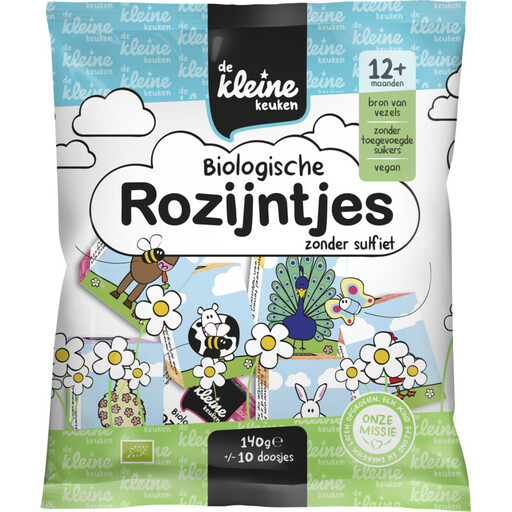
De Kleine Keuken Organic raisins 12M+ 140g
The product information gives an age indication of 12M+; this is what determines whether it’s suitable for your situation.
For children under 12 months, UK GOV.UK guidance says raisins should be finely chopped and served as part of a meal, not as a snack on their own. Supervise your child while they eat and follow the warnings on the packaging.
According to the product information, this product isn’t suitable for people with swallowing difficulties.
View at Joybuy
 No image available
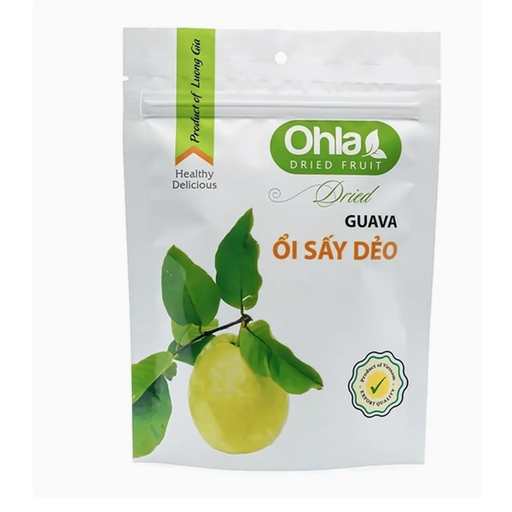
OHLA dried guava 180g
The product information suggests using the dried guava as an ingredient in dishes; decide for yourself whether that works for your breakfast.
The listed ingredients are 95% guava, sugar and preservative.
View at Joybuy
 No image available
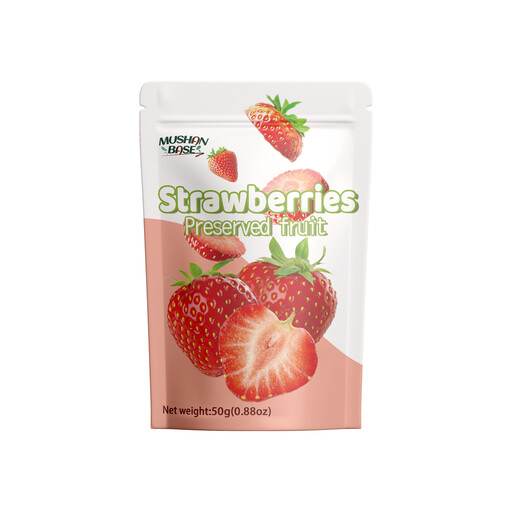
MUSHAN BASE dried strawberry slices 50g
The product information suggests using these as a topping for yoghurt and desserts. That makes them a possible topping, but not automatically a suitable snack to give a baby on its own.
The listed ingredients are strawberries and sugar.
View at Joybuy
Frequently asked questions
Can my baby eat larger pieces straight away with baby-led weaning?
Not necessarily. The Netherlands Nutrition Centre says your child needs to be able to sit upright and swallow and chew well. It recommends starting with mashed foods, gradually offering coarser textures and staying with your baby at all times.
Can I give whole raisins to a baby under 12 months?
UK GOV.UK guidance advises against giving raisins as a snack to children under 12 months, but says they can be served finely chopped as part of a meal. This is additional UK safety guidance, not a Dutch legal age limit. Also follow the Netherlands Nutrition Centre’s advice on sitting upright, chewing and swallowing.
What information should accompany the EU organic logo?
The EU organic logo should be accompanied by the control body’s code number and an indication of whether the agricultural ingredients come from the EU, outside the EU, or from both. The European Commission says the logo is compulsory for pre-packed food produced in the EU and sold as organic. The logo relates to organic labelling, not suitability for babies.
Are raisins with no added sugar low in sugar?
No, you can’t assume that from this description. The Netherlands Nutrition Centre points out that dried fruit contains a lot of sugars and recommends serving only a small amount. The product information for the BIO+ sultanas described here lists 68,2 g of sugars per 100 g; always check the nutritional information on the pack you’re using.
Is granola with raisins the same as individual dried fruits?
No. The product information for BIO+ Wholegrain Granola + Raisins lists cereals, wheat syrup and cane sugar, among other ingredients. Check the ingredients and product category: a mixed breakfast product is different from individual dried fruits.
How should I store an opened pack of raisins?
Follow the instructions on the packaging. The product information for the BIO+ sultanas described here says to store them in a cool, dry, dark place; this isn’t a storage time for chopped or prepared raisins.


