
Vandaag of morgen in huis

Kwaliteit gegarandeerd

Welkomstaanbiedingen ontgrendelen: GRATIS bezorging | Tot 80% korting | Gratis 30 dagen JoyPlus-proefperiode
Download de app
The convenience of ordering snacks online is undeniable. With just a few clicks, the pantry is restocked. But the selection is overwhelming, and not every snack is what it seems. A poor choice can quickly lead to a cupboard full of regret and unnecessary expenses. Before you fill your basket, it's wise to know what to look for.
Many people fall for the same traps. Think of snacks presented as "healthy" but secretly packed with sugar. Or high-protein bars that are mostly expensive but offer little functional nutritional value. It's time to see through the marketing and make choices based on facts.
To make a good choice, it's helpful to know how to evaluate a product. Pay attention to the following three points on the label.
The nutritional table is your most important tool. Don't just look at the total carbohydrates, but specifically at "of which sugars". This figure indicates how much pure sugar is in the product. A good guideline is to choose products where this number is as low as possible. At the same time, fibre is important. It provides a feeling of satiety and a more stable energy release. A snack with a higher amount of fibre is often a better choice.
When you are specifically looking for high-protein snacks, look beyond the claim on the front. A good protein bar provides a significant amount of protein (e.g., 15-25 grams per bar) for a relatively limited number of calories. Also, check the source of the protein. Proteins from nuts, seeds, or milk are often a good foundation.
A simple rule of thumb: the shorter the ingredient list, the better. The ingredients are listed in order of quantity. If sugar (or one of its many hidden names) is listed first or second, the product is likely more of a candy than a functional snack. When buying chocolate bars, for example, pay attention to the cocoa percentage. A higher percentage often means less sugar and more of the pure chocolate flavour. Brands like Tony's Chocolonely are often transparent about this. This also applies to muesli bars and other on-the-go snacks.
To help you get started, we have highlighted some popular choices that suit different situations and preferences.
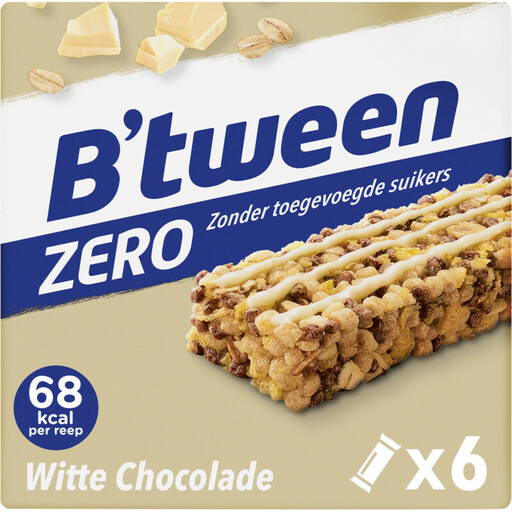
Why This Fits Their Persona: Ideal for those who need a quick, easy, and sugar-conscious snack for their bag or desk. The individual packaging makes it a perfect on-the-go snack.
This bar tackles the "healthy sugar bomb" trap. The "Zero" claim refers to the absence of added sugars, which is clearly confirmed in the nutritional table (1.7g of sugar per 100g).
Contains only 68 kcal per bar and is individually wrapped for maximum convenience. The white chocolate and peanut flavour offers satisfaction without the sugars.
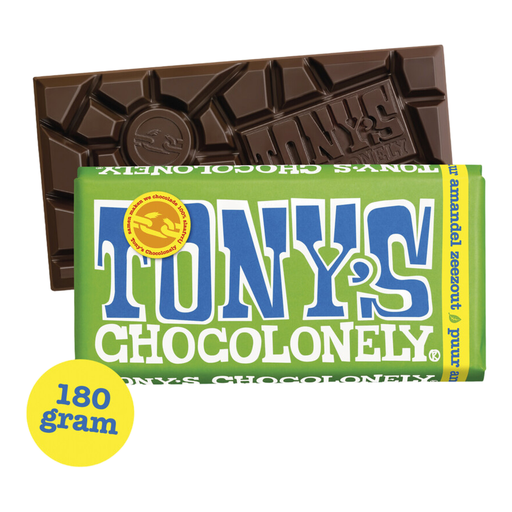
Why This Fits Their Persona: For those who value flavour, quality, and ethical sourcing. This isn't a quick bite, but a moment of indulgence, perhaps with a good cup of Lavazza coffee.
This product bypasses the "paying for marketing" trap. The price is linked to a clear mission (100% slave-free chocolate) and objective quality (Belgian dark chocolate, 51% cocoa, Fairtrade).
A high cocoa content of at least 51% ensures a rich, deep chocolate flavour. The combination of crunchy almond and a hint of sea salt is a popular and proven taste.

Why This Fits Their Persona: Aimed at those seeking a functional snack to support muscle recovery and growth. The focus is purely on the macros: high protein, low sugar, and a limited number of calories.
This bar shatters the "protein illusion". The specifications are clear and impressive: 50% protein per 100g. A 50-gram bar provides 25 grams of protein, a very high density.
Extremely high protein content (25g per bar) and very low sugar content (0.7g per bar). The protein sources (milk protein, collagen hydrolysate) are clearly listed.
We have compiled a complete, real-time list of products that fully satisfy these strict selection criteria and EU safety regulations.
Bars are often the most convenient choice. Muesli bars like the Hero B'Tween or protein bars are individually wrapped and create relatively few crumbs. Nuts in a resealable package, such as Johnny Cashews, are also a good option. Avoid snacks with a loose powder coating or brittle biscuits if you want to keep your car or bag clean.
Look for three things: a short ingredient list with recognisable ingredients, a low sugar content (under 10 grams per 100 grams is a good start), and a reasonable amount of fibre and/or protein (more than 5 grams per 100 grams). Don't be swayed by claims on the front; base your choice on the nutritional table and ingredients.
In general, dark chocolate with a high cocoa percentage (70% or more) contains less sugar and more antioxidants than milk chocolate. This often makes it a more responsible choice for those watching their sugar intake. However, the term "dark" is not protected. A dark chocolate bar can still contain a lot of sugar. Therefore, always check the cocoa percentage and the amount of sugar on the label.
