
Vandaag of morgen in huis

Kwaliteit gegarandeerd

Welkomstaanbiedingen ontgrendelen: GRATIS bezorging | Tot 80% korting | Gratis 30 dagen JoyPlus-proefperiode
Download de app
Ordering ice lollies might seem straightforward, but packaging and product names don’t always tell the full story. A multipack can look attractively priced, yet the portions might be small. Similarly, terms like fruit ice cream, dairy ice cream and “sugar-free” can paint a different picture from what the ingredients list actually confirms.
With this practical guide, you’ll focus on what really matters when shopping online: number of pieces, content per ice lolly, storage temperature, nutritional information and allergens.
Don’t just compare the price of the pack. Also look at the number of ice lollies and the content per piece. A box of 12 fruit ice lollies at 50 ml each is different from a multipack of 6 dairy ice cream bars at 55 ml each. Divide the total price by the number of portions to work out the price per ice lolly.
Check the percentage of fruit purée or fruit juice. According to the product information, the OLA Festini Pear contains 20% pear purée. With other fruit ice lollies, the flavour may come mainly from flavourings. So a product name featuring pear, mango or melon doesn’t automatically tell you how much fruit is inside.
With sugar-free ice lollies, it’s important to check the full ingredients list and nutritional information table. For example, Candyman Freezing Lollies Sugar Free uses maltitol and sucralose among other ingredients. “Sugar-free” doesn’t mean the product contains no sweeteners or carbohydrates. Also check the instructions on the packaging and be aware of a possible laxative effect if certain sweeteners are consumed in excess.
Frozen products should generally be stored at -18 °C. On receipt, check that the packaging is properly frozen and hasn’t visibly thawed. Products from the Joybuy range are stored, packed and transported chilled, according to the product information. Always follow the temperature and storage instructions on the label after delivery.
If an ice lolly has fully thawed, do not refreeze it. If you’re unsure about the product’s condition, it’s best not to use it.
Look out for three details:
An ice cream selection with multiple flavours can be convenient if everyone wants something different. A multipack with one flavour is often simpler if you’re specifically looking for fruit ice lollies, water ice lollies or dairy ice cream.
Dairy ice cream and ice cream bars often contain milk, lactose or nuts. International and Asian ice lollies may also contain ingredients such as soya, peanuts, sesame or gluten-containing cereals. So always read the current packaging, especially if you have an allergy or intolerance.
Examples from the range:
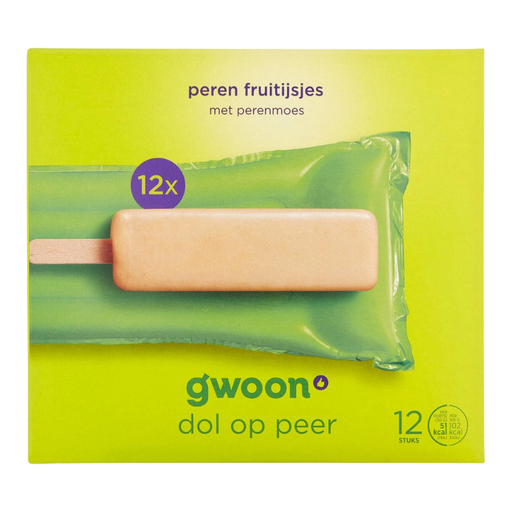
Why this fits the profile: A pack of 12 is practical for families and occasions when you want to hand out several ice lollies.
The number of pieces is clearly stated. Do check the current nutritional information and allergens on the packaging; the product information mentions milk and nuts.
12 portions and 20% pear purée according to the product description; suitable as a fruit ice cream to stock in the freezer.
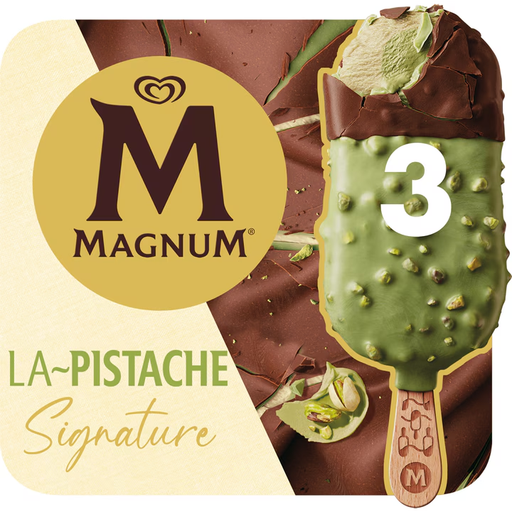
Why this fits the profile: A dessert-focused choice for those who value dairy ice cream, pistachio and a cocoa coating over a large number of portions.
The packaging states 3 portions of 90 ml. This makes the portion size clearer upfront than with a large tub dessert.
Pistachio paste at 2.5%, pistachio pieces at 1% and a cocoa coating according to the product description. Contains milk and nuts.
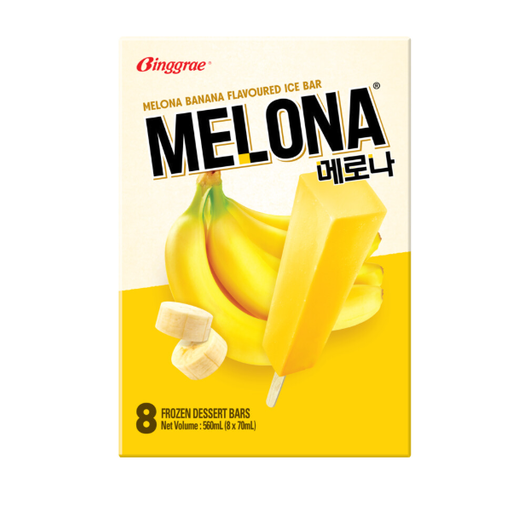
Why this fits the profile: A stock of 8 Asian ice lollies with a fixed portion of 70 ml each suits fans of international flavours.
The packaging states both the number and the content per piece. The product information mentions storage at -18 °C and no allergens.
8 pieces from South Korea with a banana flavour; the stated nutritional value is 169 kcal per 100 g.
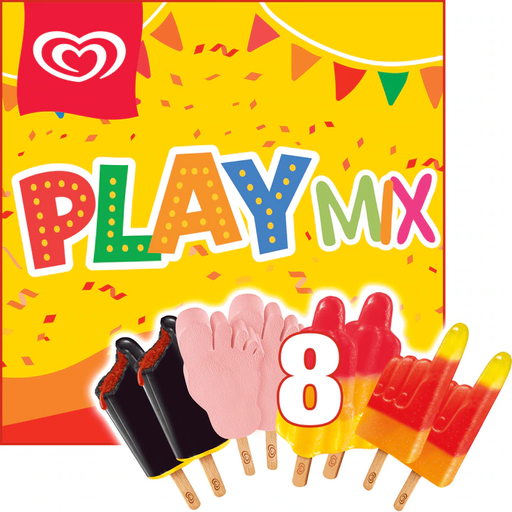
Why this fits the profile: Four types of ice lolly in one box make choosing easier when children or guests want different flavours.
The contents of the selection are specified: Rocket, Funny Foot, Dracula and Flutschfinger. Do check the allergens per variant.
8 ice lollies, four flavours and a mix of fruit ice lollies and creamy varieties. The selection lists milk and lactose as allergens.
We’ve put together a full, up-to-date list of products that fully meet these strict selection criteria and comply with current European safety regulations.
Store ice lollies straight in the freezer at the temperature stated on the packaging, usually -18 °C. Don’t leave the products out of the freezer unnecessarily, and don’t refreeze fully thawed ice lollies.
Not always. Check the nutritional information table per 100 grams and per portion. Sweeteners, fibre or other sources of carbohydrates may still be present in the product. So don’t use the term “sugar-free” as your only selection criterion.
First count the number of guests and allow at least one ice lolly per person, with extra pieces for children or a longer afternoon. A multipack like OLA Playmix offers several flavours. For a simpler choice, you can combine fruit ice lollies, water ice lollies or dairy ice cream separately. With international and mixed boxes, pay extra attention to milk, nuts, soya and gluten.
