
Vandaag of morgen in huis

Kwaliteit gegarandeerd

Welkomstaanbiedingen ontgrendelen: GRATIS bezorging | Tot 80% korting | Gratis 30 dagen JoyPlus-proefperiode
Download de app
Ordering chocolate and sweets online might seem straightforward, but a huge range can actually make choosing quite tricky. Whether you want chocolate bars for home, sweets to share, a chocolate gift, or to try international snacks, it’s the ingredients, allergens and packaging that matter most – not the flashy claims on the front.
A 200g bag or a multipack might look appealing, but always check the net weight and the number of individually wrapped portions. With pralines, toffees and small chocolate bars, the price per 100g can vary a lot. A sharing bag is practical for a family, while a smaller pack is better if you want to try different flavours.
Waffles with chocolate, breakfast cereals and biscuit bars can be mostly biscuit, sugar or filling. So look at the ingredients list and the cocoa percentage when it’s stated. For dark chocolate, the cocoa percentage is a useful way to compare. For milk chocolate and white chocolate, the milk solids, cocoa ingredients and any added fillings give you more information about the composition.
A product containing nuts isn’t suitable for someone with a nut allergy, even if nuts only make up a small part of the product. Also check for milk, soya, gluten, peanuts and egg. A product description might say “vegan sweets”, but always check the actual packaging before you buy. The same goes for halal chocolate: look for a clear halal statement or certification on the product information and packaging.
Compare products on three points:
A multipack like Twix Milk Chocolate contains five individually wrapped bars. That can be practical for a family or a day out. A bar like G'woon Crispy White Chocolate at 200g is better for breaking up at home, sharing or using in desserts.
Read the ingredients list rather than just the product name. With chocolate bars containing nuts, check which type of nut is present. Milka Bar Broken Hazelnuts, for example, lists hazelnut, milk and soya as allergens and may contain gluten. Toblerone contains milk, almonds, egg and soya, among other things.
Also watch out for possible cross-contamination. The phrase “may contain” means an allergen could have been present during production. If you have an allergy, the actual packaging is what you should rely on.
Nutritional values are usually given per 100g. This lets you compare milk chocolate, dark chocolate, pralines and toffees more fairly. The values don’t automatically tell you about taste or quality, but they do give you insight into energy, fats, sugars and salt.
Store chocolate and sweets in a cool, dry place away from direct sunlight. Heat can affect the texture and appearance of chocolate. Seal opened bags and boxes properly, and check the best-before information on the packaging.
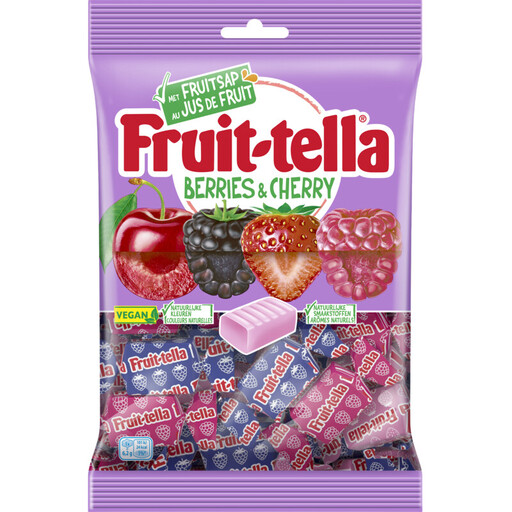
Why this fits the profile: The 200g bag is great for getting to know fruit toffees or for sharing during a film night. The toffees are individually wrapped.
The weight and portion format are clearly stated. According to the product description, it contains none of the 14 major EU allergens; if you have allergies, always check the actual packaging.
200g, berry and cherry flavours, individually wrapped and, according to the product description, vegan.
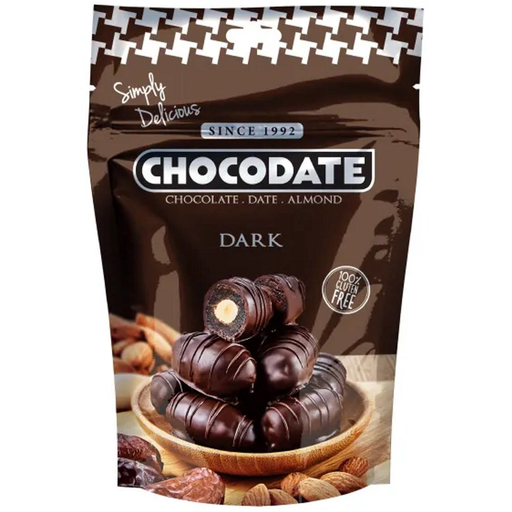
Why this fits the profile: This combination of dates, almonds and dark chocolate with 85% cocoa solids is ideal for anyone seeking a more intense chocolate flavour and an interesting texture.
The cocoa percentage, net weight and allergens present are all specified. The product contains milk, soya and almonds; it is therefore not suitable for people with these allergies.
85% dark chocolate, dates with whole almonds, 90g and, according to the product description, palm oil free.
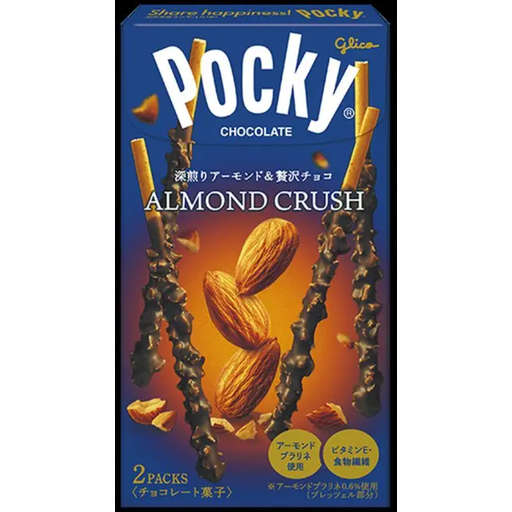
Why this fits the profile: The two portions are handy for school, work, travel or a little snack with your coffee. This product suits fans of Japanese snacks and crunchy biscuit sticks.
The product information states the number of portions, the weight and the storage conditions. The ingredients list mentions wheat, milk and soya; check the packaging if you have an allergy.
Crunchy biscuit sticks, cookies-and-cream flavour, two packs and easy to take with you.
For a birthday or when you’re visiting someone, pralines, Toblerone or a box of milk chocolate are a practical choice. When giving a gift, think about the recipient’s taste preferences and any allergens. A resealable pack or individual portions are handy if the product isn’t eaten straight away.
If you enjoy trying new flavours, you could go for Japanese snacks like KitKat Strawberry Short Cake or Meito Pukupukutai Chocolate Wafer. For fans of Turkish chocolate, Kahve Dunyasi Gofrik with pistachio and other chocolate wafers are interesting options. The product description for Gofrik includes a halal statement; check the current product information and packaging before you buy.
We’ve put together a full, up-to-date list of products that fully meet these strict selection criteria and comply with current European safety regulations.
Check the net weight, ingredients, allergens, nutritional values and best-before information. Also compare the number of portions and see whether the packaging is suitable for sharing or resealing.
Keep confectionery in a cool, dry place away from sunlight and heat sources. Seal opened packs properly. In warm weather, chocolate can soften during transport or storage, so follow the storage advice on the label.
Individually wrapped toffees, multipacks of chocolate bars and bags of 180g to 200g are practical for families and guests. Just make sure everyone eating them can tolerate the same allergens.
