
当日/次日达

品质保障

开启新人专享福利: 全场免邮 | 低至 2 折 | 免费试用 30 天 JoyPlus 会员
下载 Joybuy
Ordering frozen meat online is practical when you want to shop purposefully for everyday meals, barbecues, hotpot or a professional kitchen. You don’t need to visit multiple shops, and you can often choose from small packs and bulk meat packs. However, a low price doesn’t tell you everything. The contents, portion size, preparation method and cold chain all determine whether a product really suits your needs.
A pack might state 2 kg, for example, while the net weight after processing is actually lower. For products with bone, skin or a variable weight range, it’s important to read the product description and net weight. So don’t just compare the price per pack, but also the price per kilogram of net meat.
Words like “premium”, “restaurant quality” or “naturally tender” aren’t automatically verifiable quality measures. Instead, look at the ingredients list, slice thickness, portion distribution, origin and nutritional values. According to the brand’s own information, a product may be suitable for hotpot or barbecue, but its actual suitability also depends on your cooking method.
Frozen chicken, beef and pork should generally be stored at the stated temperature, often -18 °C or lower. Check on delivery that the pack is still properly frozen. After thawing, you must keep the meat chilled and use it within the stated period. Re-freezing is not recommended for the products listed.
Choose the cut based on the dish:
Also check whether the meat is raw, salted, marinated or already cooked. A roasted chicken breast, for example, is used differently from raw chicken breast.
For a household, packs of 200 g to 1 kg are often more manageable. For a barbecue, large family or catering, meat for catering in a pack of 2 kg or more can be more efficient. IQF, or individually quick frozen, can help you take out portions separately, according to the product description. This is especially useful if you don’t need the whole pack at once.
Also pay attention to:
For unprocessed meat, the ingredients list should clearly state what’s in it. Various products in the range consist of 100% chicken, beef, pork or lamb, according to their product information. Other products are salted, seasoned or prepared. For example, salted chicken breast contains added salt and has a different taste and use than unsalted chicken.
The nutritional values help with comparison, but are not a complete quality assessment. For instance, a piece of beef shin states 22.6 g of protein per 100 g, while pork belly contains significantly more fat according to the product information. So choose based on the dish, flavour and desired cooking method. Always check the physical label for allergies or dietary requirements.
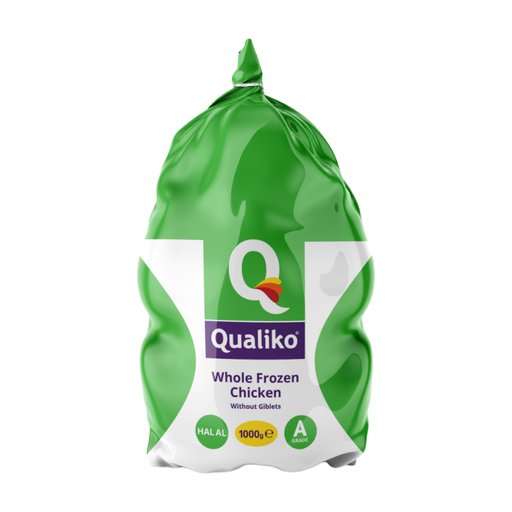
Why this suits the profile: A whole 1 kg chicken offers multiple cooking options, such as roasting, stewing or soup, without having to buy a large catering pack straight away.
The product information states a content of 1 kg and only whole chicken as an ingredient. This makes the pack easy to assess.
1 kg pack, 100% chicken according to the product information and suitable for multiple cooking methods.
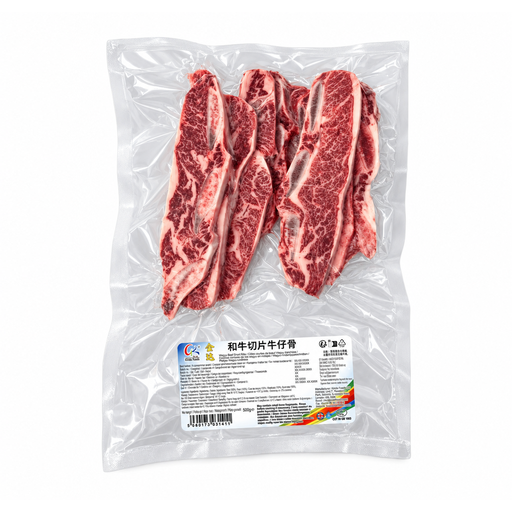
Why this suits the profile: The cut is intended for barbecuing, grilling, pan-frying or finishing in the oven. The 500 g pack suits a planned meal or barbecue.
The product description explicitly states the weight, beef as an ingredient, the origin and the intended cooking methods.
100% British Wagyu beef according to the product information, thick short rib slices and a 500 g format.
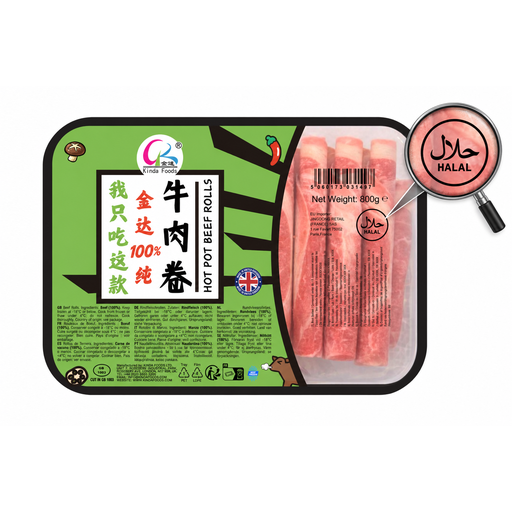
Why this suits the profile: Thinly sliced beef is designed for hotpot and stir-fry dishes. The 800 g pack works for multiple diners or a professional kitchen.
The product information states 100% beef, a weight of 800 g, IQF packaging and storage at -18 °C or lower.
Thin, even slices, halal indication in the product name and suitable for hotpot and stir-frying.
Before you check out, check the delivery date, the minimum shelf life and the required freezer storage. Make space in your freezer at home before the order arrives. Place raw chicken at the bottom when storing multiple products at the same time, so that any moisture doesn’t drip onto other food.
Thaw meat preferably covered in the fridge. Follow the cooking instructions on the label and heat raw chicken, beef, pork and lamb thoroughly. For products with a halal indication, it’s wise to check the product packaging and current product information if this is decisive for your purchase.
We’ve put together a full, up-to-date list of products that fully meet these strict selection criteria and comply with current European safety regulations.
That varies per product, pack and delivery costs. Compare the price per kilogram of net meat and take into account bone, skin, marinade and portion size. A bulk pack can be good value if you can divide it into portions and have enough freezer space.
Always follow the best-before date and temperature on the packaging. Store the product according to the stated freezing instructions. After thawing, the meat must be kept chilled and prepared within the stated period. Do not re-freeze thawed meat.
For hotpot, thinly sliced beef rolls or lamb rolls are practical because they cook quickly in hot broth. For barbecue, think of chicken wings, beef ribs, rib fingers or short ribs. Check per product whether it is raw and what cooking temperature is recommended.
