
Listener on a noisy coach
Wants to hear quiet orchestral passages without turning up the volume, and is weighing up whether passive isolation is enough or ANC is needed to reduce disruptive noise.


A pair of closed-back, wired studio headphones is a good choice for comparing orchestral recordings if its passive isolation is enough for the noise levels on your coach. If engine noise drowns out quiet passages, travel headphones with ANC may be more suitable. Whichever you choose, compare recordings using the same listening mode each time, and don’t turn up the volume to drown out background noise.
Wants to hear quiet orchestral passages without turning up the volume, and is weighing up whether passive isolation is enough or ANC is needed to reduce disruptive noise.
Wants to listen to recordings using the same source, listening mode and fit. A wired, closed-back model may be suitable if the coach is quiet enough.
Prioritises a comfortable fit, easy portability and a connection that works with their device during a long journey.
Choose this option: if the fit provides enough passive isolation and you want to compare recordings using the same source and settings.
Bear in mind: a closed-back design doesn’t automatically include ANC; you may still hear engine rumble.
Choose this option: if persistent engine noise is making it difficult to hear quiet passages.
Bear in mind: check how the headphones sound and work in the ANC mode you’ll use when comparing recordings.
| What to consider | What should you check? | Who should pay particular attention? |
|---|---|---|
| Engine noise and quiet passages | Assess the fit and isolation. If possible, compare the same quiet passage with ANC on and off, at a comfortable volume. | I want to hear quiet passages without turning up the volume. Around 36% of consumers prioritise reducing coach noise. |
| Consistent sound | Use the same source and settings, and keep the listening mode and fit consistent when comparing. | If I want to judge the differences between recordings, I want to avoid changes caused by different settings. Around 29% of consumers prioritise consistent sound. |
| Comfort on the journey | Pay attention to pressure and fit during a longer listening session; if necessary, also check how the headphones fit with glasses. | When listening for a long time, I want the headphones to feel comfortable and stay securely in place. This is the top priority for around 21% of consumers. |
| Connection and portability | Check that the connection is compatible with your device, which cable comes with the exact version, and whether the headphones fold up. | I want to connect the headphones to my device and pack them in my luggage without any fuss. Around 14% of consumers prioritise these practical features. |
A closed-back design can passively reduce background noise, but RTINGS reports that the Sennheiser HD 480 PRO does little to reduce engine rumble. Isolation also depends on the fit and the noise levels on your coach.
Consider the type of noise you’ll encounter on your journey. As well as sound quality, check whether the isolation is enough for you.
A model name or a wide frequency range specification alone doesn’t tell you how the headphones will sound or feel for your listening needs.
Check the exact version, connection and fit. If possible, compare a familiar orchestral passage using the same source and settings.
In the Netherlands, you’re entitled to a product that works as it should, and there’s no fixed statutory warranty period. If a product is faulty, the retailer is your point of contact, according to the Dutch government.
Check what any extended warranty covers and what additional protection it provides.
The HD 480 PRO is a closed-back, wired studio model.
According to AKG, the K371 is a closed-back, foldable studio headphone supplied with three detachable cables.
According to beyerdynamic, the wired DT 700 PRO X has a detachable cable and a nominal impedance of 48 ohms.
The wired ATH-M50x is a different model from the wireless ATH-M50xBT2.
The wired MDR-7506 is a studio model; the WH-1000XM6 is a separate pair of wireless travel headphones with ANC.
This selection focuses on headphones with active noise cancellation for travel. Before comparing recordings, check that your preferred listening mode and connection are compatible with your device.
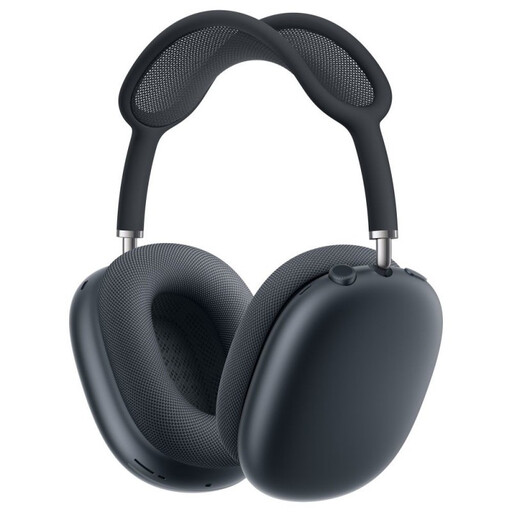 No image available
The product description mentions ANC and features for listening to your surroundings. Check whether the mode you want to use is suitable for your comparisons.
Features listed: Adaptive Audio and Transparency mode.
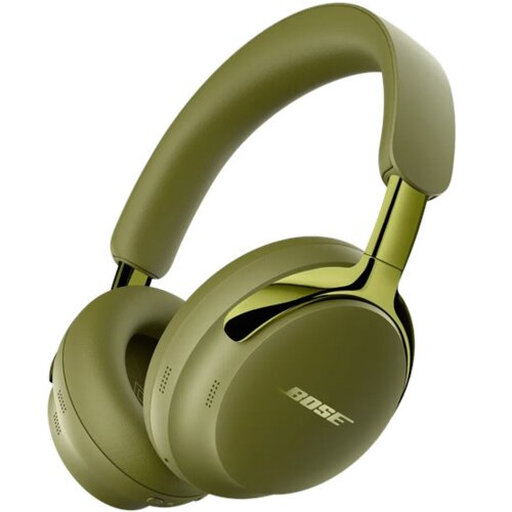 No image available
These headphones are described as having ANC and supporting both wireless and wired listening. Check which connection and listening mode you want to use for your comparison.
The product description mentions a detachable cable with USB-C and 3.5 mm connections.
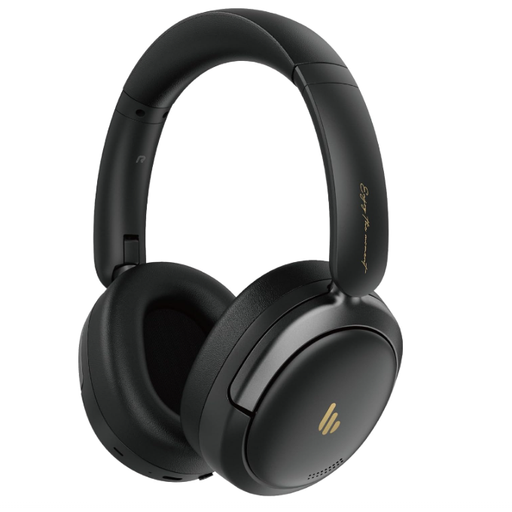 No image available
The foldable design and advertised hybrid ANC make these headphones suitable for listening on the go. Check that the wired USB-C connection works with your device.
The product listing mentions 45 hours of playback and Bluetooth 5.4.
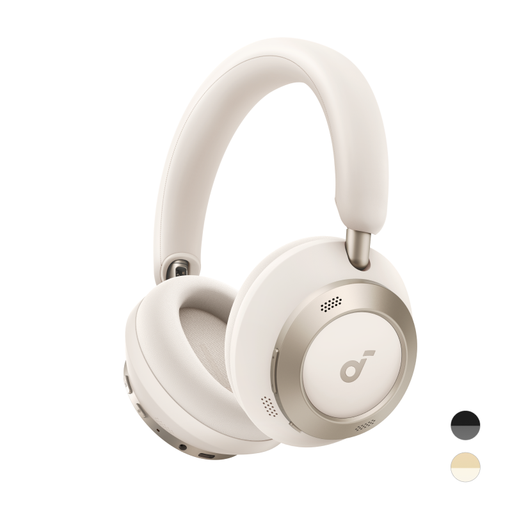 No image available
The product description mentions adaptive ANC and a foldable design for use on the go.
Features listed include LDAC and a pressure-relieving headband. Check the fit and listening mode for your needs.
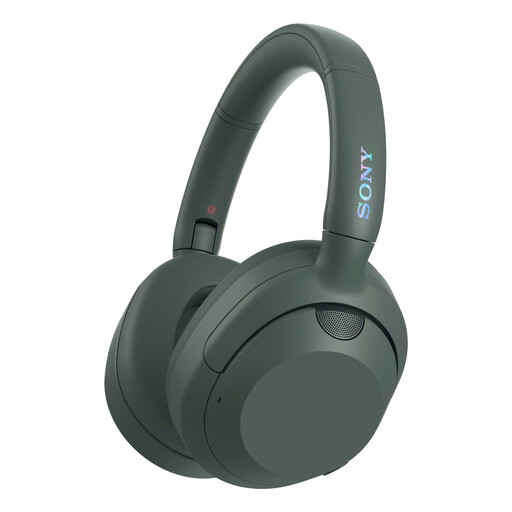 No image available
The product description mentions noise cancellation and an ambient sound mode. Use the same listening mode throughout your comparison.
The ULT modes are described as delivering deep or powerful bass. The stated battery life is 30 hours.
Use the same listening mode, source and fit for each comparison, at a comfortable volume. If coach noise drowns out quiet passages with ANC off, see whether ANC helps and whether the sound remains suitable in that mode. Sound quality and noise reduction are separate things to assess.
Check that the output on your playback device matches the plug and cable supplied with the exact version. AKG describes the K371 as coming with three detachable cables; don’t assume other models include the same cables.
First check the fit and isolation, and take a listening break if needed rather than turning up the volume to overcome coach noise. The World Health Organization gives an average of 80 dB for up to 40 hours per week as an example for adults; at higher sound levels, safe listening time decreases. This example isn’t a measurement of the volume on your headphones.
When you buy online as a consumer, you generally have a statutory 14-day cooling-off period from the date of delivery, although exceptions may apply and are worth checking before you buy. You’re also entitled to a product that works as it should; the Netherlands has no fixed statutory warranty period. If a product is faulty, the retailer is your point of contact. The Netherlands Authority for Consumers and Markets (ACM) and the Dutch government explain these rules.