
Vandaag of morgen in huis

Kwaliteit gegarandeerd

Welkomstaanbiedingen ontgrendelen: GRATIS bezorging | Tot 80% korting | Gratis 30 dagen JoyPlus-proefperiode
Download de app
A bottle of orange soft drink might seem simple to pick, but the range on offer varies a lot. Are you after a sweet orangeade for home, an orange soft drink multipack for a party, a low-calorie option, or perhaps a special blood orange drink? Then don’t just look at the brand and packaging.
The main pitfalls to watch out for are:
Compare the table per 100 ml, not just the nutritional value per bottle or can. This way you’ll see the difference between regular orangeade, a low-calorie fizzy drink and a version with sweeteners.
For illustration:
Nutritional values can vary by recipe, packaging or market. So always check the label on the packaging you receive.
More juice doesn’t automatically mean the flavour will suit your preference. A classic orange soda can have a distinctly sweet and fizzy taste, while sparkling water with citrus is lighter.
Examples from the range:
Also pay attention to acids, flavourings, colourings and preservatives if you value a short ingredients list. Claims like “natural” or “artisanal” should always be checked against the full ingredients list. According to Bundaberg’s own information, the drink is brewed with real blood oranges; the verifiable product data also lists sugar, juice concentrate, carbon dioxide and preservatives among other things.
For on the go, cans or small bottles are practical. For a birthday, barbecue or stocking up the cupboard, an orange soft drink multipack can be more convenient. Bear in mind:
With alcoholic versions, such as Breezer Zesty Orange, pay extra attention to the alcohol percentage on the label. The product information provided mentions rum but does not state the alcohol percentage. So check this before purchase and only consume the drink in line with the legal age requirements.
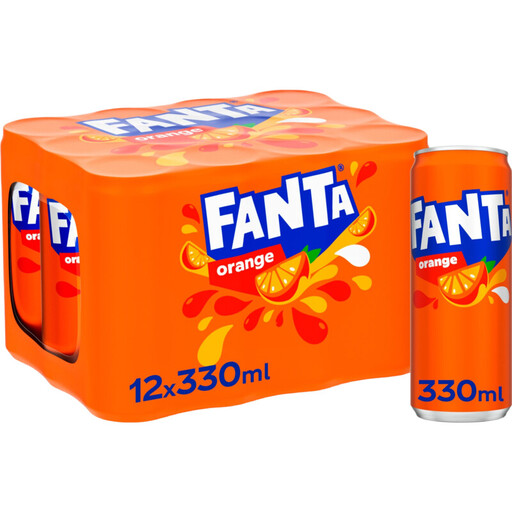
Why this fits the profile: A straightforward multipack of 330 ml bottles for home, guests or a small gathering.
The portion size and total quantity are immediately visible. Do check the current sugar value on the label.
12 bottles of 330 ml; product information states 19 kcal and 4.4 g sugar per 100 ml.
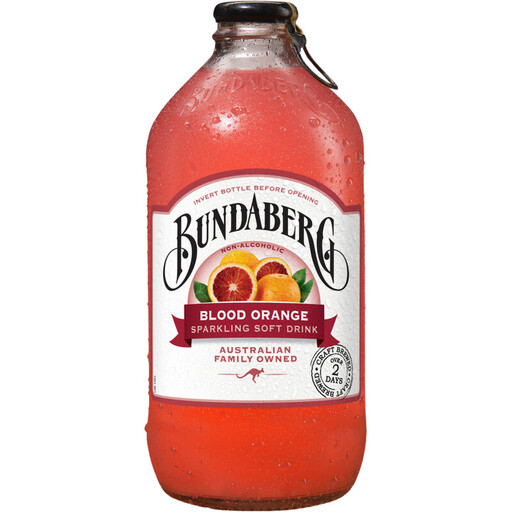
Why this fits the profile: For those after a distinctive citrus profile and a smaller bottle rather than a standard orangeade.
The juice percentage and nutritional values are clearly stated, so you can compare the flavour claim with the composition.
375 ml; 5% blood orange juice from concentrate; 47 kcal per 100 ml.
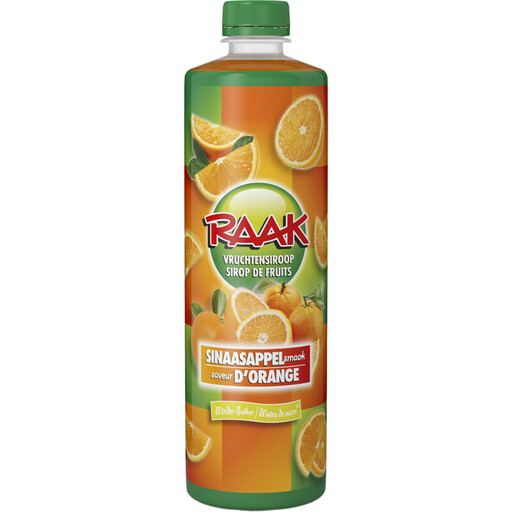
Why this fits the profile: Handy for families, parties and households that want to control the strength and quantity themselves.
You buy concentrate instead of lots of individual packs. Follow the recommended dilution ratio and compare the value per prepared glass.
According to the product information, good for approximately 6 litres of drink; suitable with still or sparkling water.
A zero version might suit shoppers who want less sugar and fewer calories per 100 ml. Fanta Orange Zero Sugar states 3 kcal per 100 ml, while Schweppes Agrumes Zero states 2.3 kcal and 0.3 grams of sugar per 100 ml. Both use sweeteners. If you’d rather avoid sweeteners, you could look at sparkling water with citrus, such as Charlie’s Sparkling Water Orange & Mandarin, with 0 grams of sugar per 100 ml.
With a milk or fruit drink, always check allergens carefully. Rivella Regular Orange, for example, contains milk serum and lists milk as an allergen. Also always check the full product information for alcoholic drinks.
We’ve put together a full, up-to-date list of products that fully meet these strict selection criteria and comply with current European safety regulations.
That varies by recipe. Among the product information provided, Charlie’s Sparkling Water Orange & Mandarin with 2 kcal per 100 ml, Schweppes Agrumes Zero with 2.3 kcal and Fanta Orange Zero Sugar with 3 kcal are among the low-calorie options. Check the current packaging before you order.
In the Netherlands, “sinas”, “sinaasappelfrisdrank” and “sinaasappelsoda” are often used for a carbonated drink with orange flavour. The composition varies by brand. So look at the juice percentage, sugar, sweeteners and portion size.
Store opened fizzy drinks according to the packaging, usually refrigerated and tightly sealed. Consume the drink within the stated period. Store unopened bottles and cans in a cool place, out of direct sunlight and away from excessive heat.
