
Vandaag of morgen in huis

Kwaliteit gegarandeerd

Welkomstaanbiedingen ontgrendelen: GRATIS bezorging | Tot 80% korting | Gratis 30 dagen JoyPlus-proefperiode
Download de app
When you search for orange snacks and drinks online, you’ll quickly come across plenty of options with an orange flavour. From orange sweets and orange chips to orange soda, orange mochi and a multipack of soft drinks: the packaging often gives you a good idea of the taste and vibe. The practical differences, however, are usually printed much smaller on the label.
That’s why it’s wise to check three things before you order: the nutritional values, the pack size and the ingredients. This way, you can avoid buying too much, picking a version with unexpected sweeteners, or ordering a snack that doesn’t suit the occasion you need it for.
A product might show a clear image of an orange, yet the amount of orange juice or orange powder could be very limited. With soft drinks, the percentage of juice is usually listed in the ingredients. For example, one Fanta Orange variant contains 3% orange juice from concentrate, while another product description mentions 6.5%. Always check the details for the exact pack you’ve chosen.
A sugar-free orange drink may be low in energy and sugar, but it can still contain sweeteners like aspartame and acesulfame-K. Fanta Orange Zero Sugar also states that the product is a source of phenylalanine and is not suitable for people with phenylketonuria. So if you have dietary requirements, read the full label, not just the front.
A large pack might seem handy for a party, but pay attention to the content per can or bottle, the shelf life and how much storage space you have. For everyday use, 6 x 500 ml could be more practical than 24 cans. For a larger gathering, a multipack of soft drinks can mean fewer individual packs and less need to reorder.
Always compare products on the same basis. For drinks, it’s usually per 100 ml; for snacks, it’s per 100 g. Look out for:
The values on the product page are a handy first comparison. When you receive your order, also check the packaging, as recipes or labelling can change.
For a coffee break or a small treat, a pack of 80 to 244 g can be enough. For guests, a picnic or a party, individual cans and bottles are easy to share. When it comes to snacks, also think about how they need to be stored. According to the product information, Lonka Orange Chips should be kept cool, dry and out of direct sunlight. Once opened, a well-sealed pack is important to maintain quality.
“Orange” can mean different things:
So, someone looking for a snack to have with coffee or tea will make a different choice from someone who needs a soft drink for a group. Also check the country of origin and storage information when ordering international snacks.
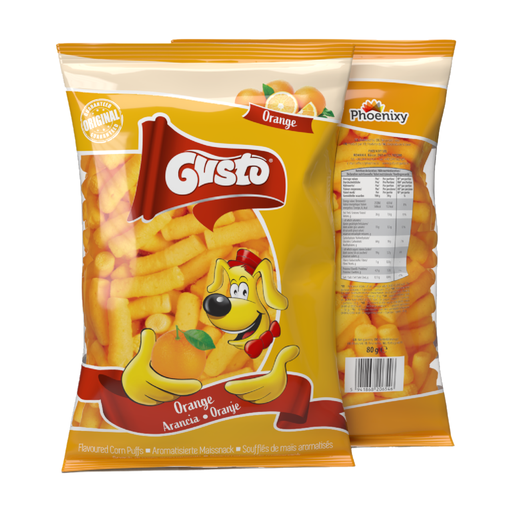
Why this fits the profile: The 80 g pack is a manageable size for anyone wanting to try an orange snack without ordering a large quantity. The light texture is perfect for a small snack break.
The product information states a serving size of 30 g and lists the ingredients, including 55% corn grits and 0.2% orange powder. This helps you match your flavour expectations to the actual composition.
80 g, vegetarian according to the product description, and none of the 14 major EU allergens listed.
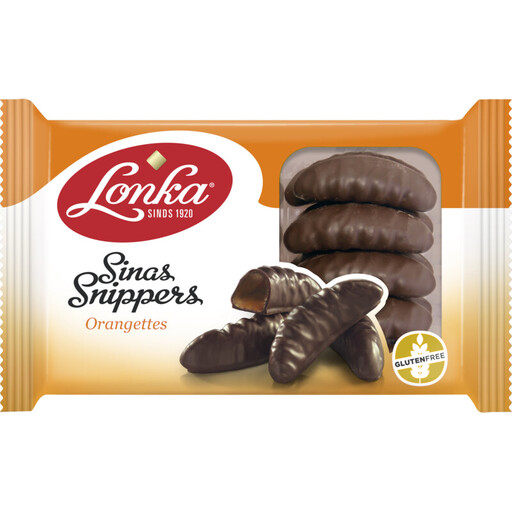
Why this fits the profile: This snack is designed for a more indulgent moment with coffee or tea, and can be presented in its tray for sharing.
The product description clearly states it’s a combination of chocolate and orange. Ingredients and allergens are also listed: the product contains soya and may contain milk.
244 g, made with pectin and fruit juice according to the product information, labelled gluten-free and suitable for presentation.
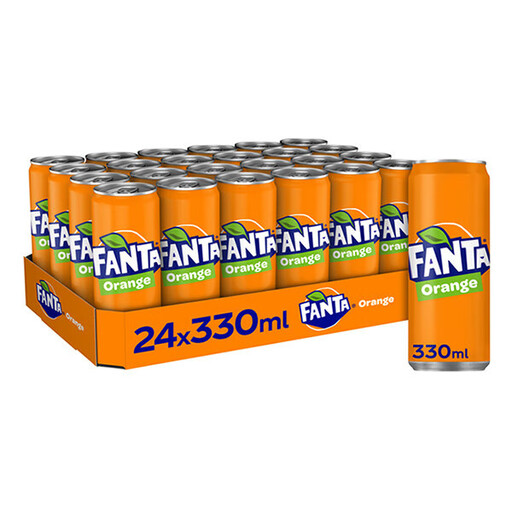
Why this fits the profile: The tray of 24 cans at 330 ml each is practical for parties, guests, picnics or households that regularly serve soft drinks.
The number of cans and the size are clearly stated. The product information also mentions 5.6 g of sugar per 100 ml, so you can compare it directly with a sugar-free version.
24 x 330 ml, fizzy orange flavour and, according to the product information, none of the 14 major EU allergens.
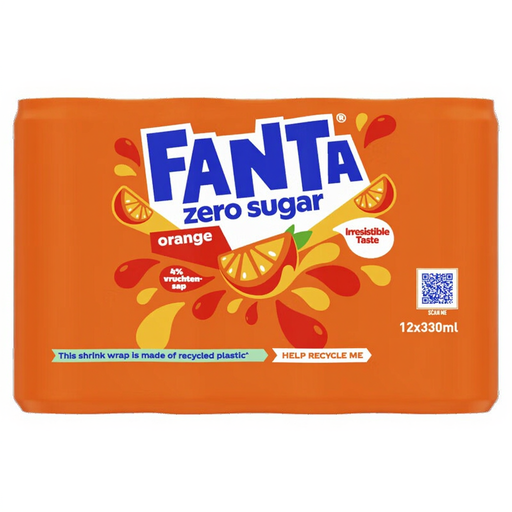
Why this fits the profile: The pack of 12 cans is a medium size for home use, meaning you don’t need as much storage space as you would with a tray of 24.
The product information states 3 kcal and 0.4 g of sugar per 100 ml, plus the sweeteners used. This makes the choice verifiable, rather than relying solely on the term “zero sugar”.
12 x 330 ml, orange flavour and low nutritional values according to the product specifications provided. Contains aspartame; check the warning if you have specific dietary requirements.
We’ve put together a full, up-to-date list of products that fully meet these strict selection criteria and comply with current European safety regulations.
For a softer snack, you could look at LOVE MOCHI Orange Flavour 180g. This orange mochi consists of individually wrapped rice cakes with a sweet orange filling. The product information lists no allergens and states 45 g of sugar per 100 g.
If you’d prefer a smaller drink format, you can compare g'woon Orange Soda 6 x 500 ml. The product description mentions 6% orange juice from concentrate and 5.5 g of sugar per 100 ml. For a different citrus option, Jarritos Mandarin 370 ml is available; this has a mandarin flavour, so it’s not the same as classic orange soda. Bundaberg Blood Orange Soda is offered as 12 x 375 ml.
First, think about the number of guests and the serving size you want. A tray of 24 cans at 330 ml each is easy to hand out. For a smaller group, 12 x 330 ml or 6 x 500 ml might be enough. Also decide whether you want to serve regular soft drinks or a sugar-free version.
Orange sweets usually have a soft or firm candy texture. Orange mochi is made from sticky rice dough with a soft filling and is often individually wrapped. With both products, pay attention to sugar content, serving size, allergens and storage instructions.
Store unopened soft drinks and snacks in a cool place, out of direct sunlight, following the label instructions. Once opened, soft drinks should be kept in the fridge and used within the recommended time. Seal opened sweet packets tightly and don’t use any product if the packaging is damaged.
