
Vandaag of morgen in huis

Kwaliteit gegarandeerd

Welkomstaanbiedingen ontgrendelen: GRATIS bezorging | Tot 80% korting | Gratis 30 dagen JoyPlus-proefperiode
Download de app
An orange drink may seem simple to choose, but the range varies considerably. Are you looking for a classic orange soda, a sparkling orange drink for a party, a sugar-free option or perhaps orange syrup for the whole family? In that case, the ingredients list, nutritional information and packaging are particularly important.
As a Joybuy Product Recommendation Officer, I filter product information based on practical considerations. This helps you identify more quickly which orange drink suits your occasion and avoid paying for packaging or a product claim that does not match your expectations.
The amount of orange varies from one product to another. For example, Fanta Orange Soda 12 x 330 ml lists 3% orange juice from concentrate, while the 24-pack version lists 6.5%. According to the product information, Orangina Regular contains 12% fruit juice from concentrate, including 11% orange juice. This can affect flavour, price and nutritional value.
So do not rely solely on the front of the packaging. Check the juice percentage in the ingredients list.
A sugar-free orange drink often uses sweeteners instead of sugar. The available product information for Fanta Orange No Sugar is limited, so always check the current label before buying. Other varieties, such as Schweppes Orange Passion, contain both sugar and sweeteners.
Compare carbohydrates, of which sugars and the complete ingredients list per 100 ml. This prevents you from relying solely on a marketing term.
An orange drink multipack is convenient for parties or stocking the pantry, but individual cans and small bottles take up more space than one large bottle. A 6 x 1-litre pack is suitable for sharing, but once opened, the bottle should be refrigerated according to the product information and used within the stated period.
For occasional use, a 200- or 330-ml pack can help reduce waste. For a birthday or event, 12- and 24-packs are often the more logical choice.
Orange soda or another sparkling orange drink contains carbonated water. Consider whether you are looking for a lively fizz or a more gently sparkling drink. Rivella Regular Orange, for example, is described as lightly sparkling, while Ramune Orange and Fanta are sold as carbonated drinks.
Orange syrup works differently. According to the product description, one bottle of Raak Orange Lemonade makes approximately 6 litres of drink, equivalent to around 30 glasses. You can prepare it with still or sparkling water. With syrup, pay attention to the recommended dilution; otherwise, the flavour and sugar content per glass will differ.
Always compare products per 100 ml, rather than only per bottle or can. Here are several examples from the available product information:
These figures are not a health recommendation, but they do make it easier to compare products objectively. Check the packaging upon delivery, as formulations and label information may change.
A small pack is convenient for drinking on the go, while a large bottle or tray is better suited to sharing. Also check the closure, shelf life and storage instructions.
Pay particular attention to allergens. Taksi Orange Cordial is described as a fruit-juice-based drink containing dairy ingredients. The product information states both “none of the 14 major EU allergens” and milk among the ingredients and allergens. This information is contradictory. If you have a milk allergy, it is advisable to consult the physical label or contact the manufacturer’s customer service before ordering.
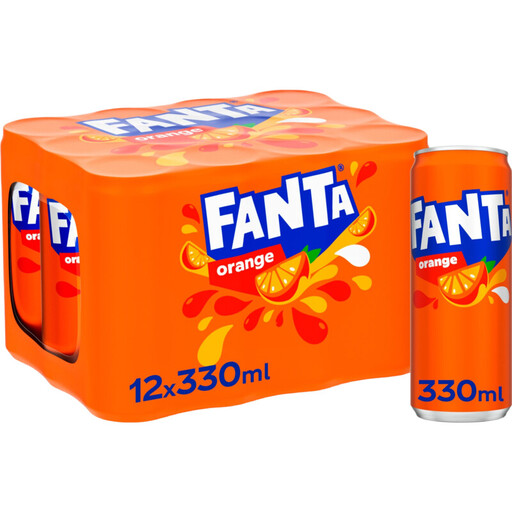
Why it fits: A convenient tray of smaller portions for home, a picnic or a small gathering.
The volume per bottle is clearly stated. However, compare the 12-pack with the 24-pack, as the juice percentages differ in the product information.
12 bottles of 330 ml; the listing states 19 kcal and 4.4 grams of sugar per 100 ml.
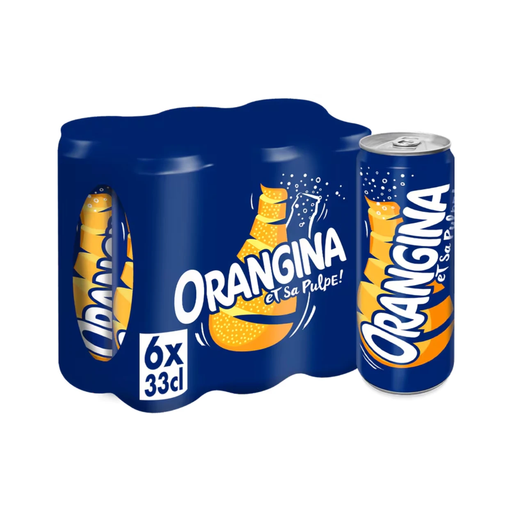
Why it fits: Ideal if you are looking for more than just orange, with other citrus fruits and pulp in the drink.
The product information specifies 12% citrus fruit juice from concentrate. This gives a clearer picture of the composition than a flavour claim on the front alone.
330-ml cans in a 6-pack; the listing states 39 kcal and 9.1 grams of sugar per 100 ml.
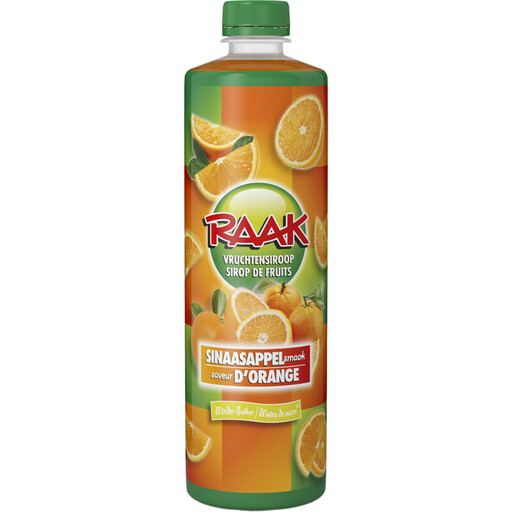
Why it fits: Convenient when you want to serve several glasses and choose between still or sparkling water.
You are not buying a large stock of ready-to-drink bottles. The product description states that one bottle makes approximately 6 litres of drink, or around 30 glasses.
750 ml of syrup; the listing states 28 kcal and 6.7 grams of sugar per 100 ml of product.
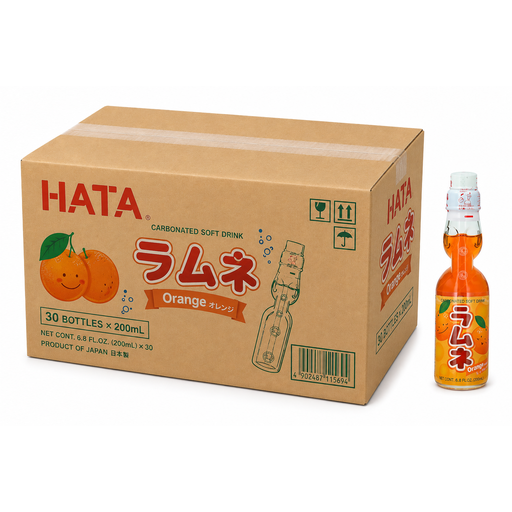
Why it fits: A Japanese orange drink for fans of ramune, smaller servings and the distinctive glass bottle with a marble stopper.
The format is clear in advance: 30 bottles of 200 ml. This makes it easy to estimate the total volume and suitability for a group.
200-ml glass bottles; the product listing states 39 kcal and 8.1 grams of sugar per 100 ml.
Explore a current selection of orange drinks, sparkling varieties, multipacks and syrups with product information for easy comparison.
For a lower sugar content based on the available information, Charlie’s Sparkling Water Orange & Mandarin may be worth considering: the drink contains 0 grams of sugar per 100 ml and consists of 95.5% carbonated water. If you are looking for a larger supply, consider Schweppes Agrumes 6 x 1 litre or Fanta Orange Soda 24 x 330 ml.
For an alcoholic orange drink, Breezer Zesty Orange Sparkling Drink is available in 275 ml and as a 4-pack. The product information lists rum, 4.8% orange juice and 21 grams of sugar per bottle. This product is therefore not suitable for children; check the alcohol content on the label and observe the applicable legal age limit.
That depends on the variety you choose. Charlie’s Sparkling Water Orange & Mandarin lists 0 grams of sugar per 100 ml. Rivella Regular Orange lists 1 gram of sugar per 100 ml, but contains whey and sweeteners. Always check the current nutrition table.
Syrup can be practical when you want to serve a large number of glasses. Raak states that one 750-ml bottle makes approximately 6 litres of drink. The final cost depends on the purchase price, dilution and whether you use sparkling water. Compare the price per litre of prepared drink rather than the price per bottle alone.
Follow the instructions on the packaging. For most carbonated drinks, this means closing the container securely, storing it in the refrigerator and using it within the stated period. Syrup should also be sealed carefully after opening; check the manufacturer’s specific storage instructions.
