
Vandaag of morgen in huis

Kwaliteit gegarandeerd

Welkomstaanbiedingen ontgrendelen: GRATIS bezorging | Tot 80% korting | Gratis 30 dagen JoyPlus-proefperiode
Download de app
An orange drink might seem simple to pick, but the differences between brands and packaging are significant. Whether you're after a sweet fizzy drink for a party, a sugar-free orange soda, or an international beverage with a distinctive bottle, it's the ingredients, size and nutritional values that often matter more than what's on the front of the packaging.
Watch out for these three common pitfalls:
The terms orange soda, orange fizzy drink or orange-flavoured soft drink don't tell you much about the actual composition. So take a look at the ingredients list.
For comparison:
These figures come from the available product information. Always check the physical label upon receipt, as recipes or packaging may change.
If you're looking for a sugar-free orange drink, don't just glance at the front. Check the nutritional information table and the ingredients.
Fanta Orange Zero Sugar states 0.4 grams of sugar and 3 kcal per 100 ml. So the drink is low in calories, but it does contain sweeteners. A regular Fanta Orange variant states around 4.4 to 5.6 grams of sugar per 100 ml, depending on the packaging.
Other examples:
A lower sugar content can therefore go hand in hand with sweeteners. If you have an allergy or food intolerance, read the full ingredients list. Rivella, for example, lists milk as an allergen.
A 200 to 370 ml bottle or can is suitable as a portion on the go, for lunch or for trying something new. For a birthday, sports club or family, an orange drink multipack can be more practical.
Pay attention to the difference between:
With Japanese drinks like Ramune orange, the packaging also plays a role. HATAKOSEN Ramune Orange comes in a glass bottle with a marble mechanism. This gives a distinctive presentation, but requires more care when opening and storing.
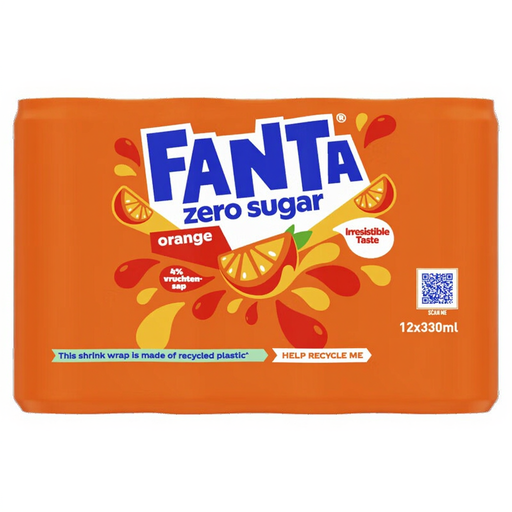
Why this fits the profile: A straightforward tray of 12 cans for home, visitors or a small party. The product information states 3 kcal and 0.4 grams of sugar per 100 ml.
The nutritional values are clearly stated. You can see straight away that the drink contains sweeteners and is not a regular sugary drink.
12 cans of 330 ml; 3 kcal and 0.4 grams of sugar per 100 ml according to the product information.
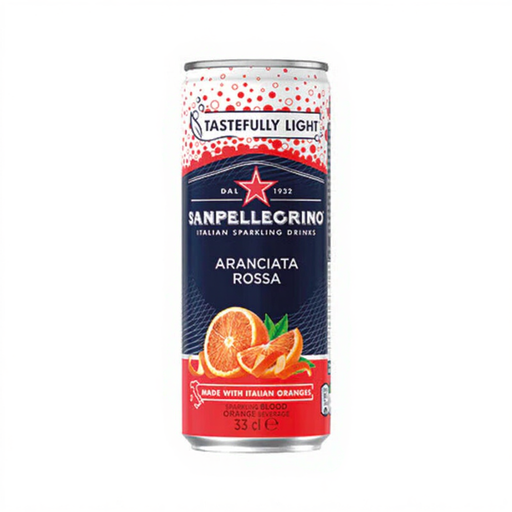
Why this fits the profile: An individual Italian fizzy orange drink for those who care about juice content and want a blend of regular orange and blood orange.
The juice content is clearly stated: 17% orange juice and 3% blood orange juice from concentrate.
330 ml; 20% combined juice content according to the product specification; contains sugar.
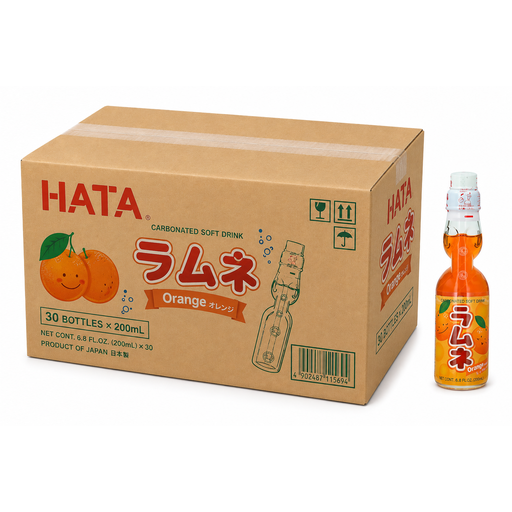
Why this fits the profile: Aimed at organisers of Japanese-themed parties, hospitality businesses or households wanting to stock up on a large supply of Ramune orange.
The quantity and size are clear: 30 bottles of 200 ml. This means you can estimate your total stock in advance.
30 x 200 ml; distinctive glass Ramune bottle with marble mechanism; 8.1 grams of sugar per 100 ml according to the product information.
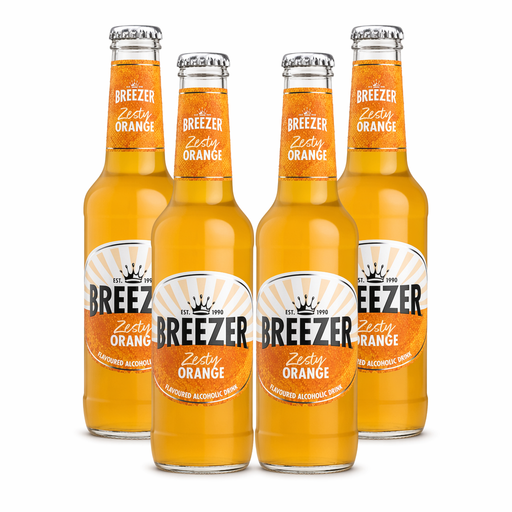
Why this fits the profile: A ready-to-drink alcoholic orange beverage for adults looking for a chilled orange mixed drink for a gathering.
The product is clearly described as an alcoholic drink. Check the alcohol percentage on the bottle or packaging before ordering; this percentage is not stated in the provided specifications.
4 bottles of 275 ml; blend of Bacardi rum and orange flavour; 150 kcal and 21 grams of sugar per bottle according to the product information.
We've put together a full, up-to-date list of products that fully meet these strict selection criteria and comply with current European safety regulations.
Fanta Orange Zero Sugar states 0.4 grams of sugar per 100 ml and is sweetened with aspartame and acesulfame-K. Charlie’s Sparkling Water Orange & Mandarin states 0 grams of sugar per 100 ml. Always check the current label and the full ingredients list.
Not quite. Ramune orange is a Japanese fizzy soft drink with a distinctive glass bottle and marble closure. The taste and sweetness can differ from European brands such as Fanta Orange, Orangina or Schweppes. HATAKOSEN Ramune Orange states 8.1 grams of sugar per 100 ml.
Store an opened bottle or packaging in the fridge and seal it tightly. Drink the contents according to the instructions on the label. Store unopened drinks in a cool, dry place, away from direct sunlight and high temperatures. With glass bottles and carbonated drinks, opening them carefully is important to avoid spills.
