
Vandaag of morgen in huis

Kwaliteit gegarandeerd

Welkomstaanbiedingen ontgrendelen: GRATIS bezorging | Tot 80% korting | Gratis 30 dagen JoyPlus-proefperiode
Download de app
Buying an orange drink may seem straightforward, but the range of options varies considerably. Fizzy or still, made with sugar or sweeteners, or available as juice, syrup or an alcoholic mixed drink: the name on the front does not always tell the full story. An orange-coloured pack also does not automatically mean a high orange content.
The most common disappointing purchases result from three pitfalls:
By checking the ingredients, volume and packaging, you can more easily find a suitable orange drink, orange soda or orange drink for enjoying at home, on the go or with others.
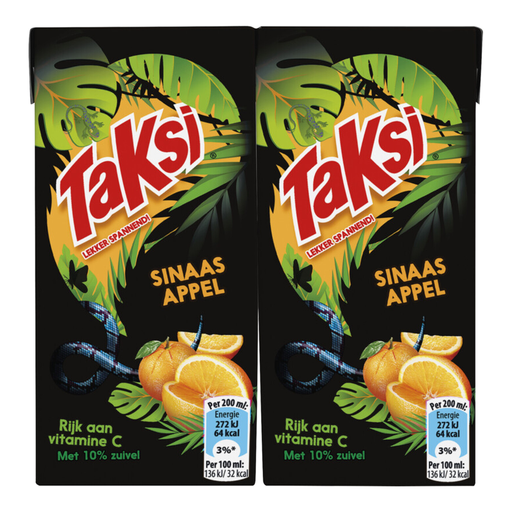
Start by looking at the product category and ingredients list. A product with “orange juice” in its name may be a fruit drink made from concentrate. According to the product information, G'Woon Zappie Orange contains 6% fruit juice from concentrate, including orange and apple. Taksi Orange Cordial also lists fruit juice from concentrate and dairy ingredients.
A genuine juice option generally has a different composition from orange soft drinks. Soft drinks often list carbonated water, sugar, acids, flavourings and sweeteners first. So do not just look at the brand or the image of an orange. Pay particular attention to:
The current packaging is the definitive source, as recipes and labels can change.
The nutrition table makes different options easier to compare. Look at sugars per 100 ml, but also consider the serving size. A 1.5-litre bottle may contain little sugar per 100 ml, while the total contents still amount to many servings.
For example:
That is why orange drink without sugar is not the same as a drink without naturally occurring sugars. Always check the label and choose according to your own preferences for flavour and composition.
For everyday use, a 1 or 1.5-litre bottle is often practical. A soft drink multipack containing cans or small bottles is better suited to visitors, parties, lunch boxes or keeping a supply at home. Also consider storage:
If you are looking for a fizzy orange drink, you should also bear in mind that carbonation is lost after opening. Individual cans or small bottles preserve the sparkling experience better for each serving.
Why it suits this profile: The 2-litre bottle is suitable for use at home and for sharing with others. According to the product information, the drink contains fruit juice from concentrate and dairy ingredients.
The product information lists 30 kcal and 7.1 grams of sugar per 100 ml. This means you can compare the composition in advance instead of relying solely on the packaging.
2-litre capacity; according to the product description, no added sweeteners. Contains milk, so check the label if you have allergies.
Why it suits this profile: This sparkling orange drink combines individual cans with a low stated sugar content, making it suitable for serving chilled and sharing with others.
The product information lists 0 grams of sugar and 2 kcal per 100 ml. This makes it easy to distinguish between a lighter soft drink and a sweetened orange drink.
12 cans of 330 ml; 95.5% carbonated water and 4.5% organic juice according to the product description.
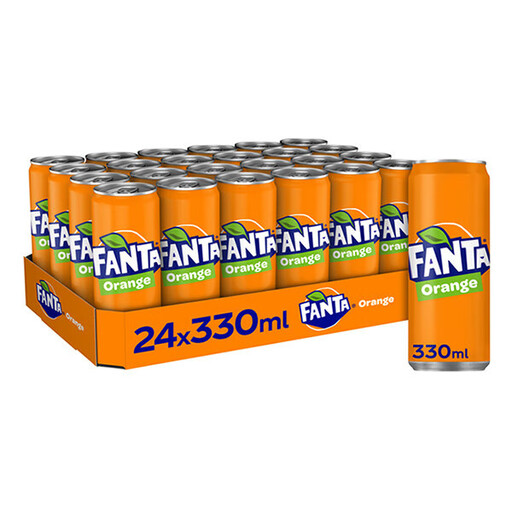
Why it suits this profile: A tray of 24 cans is designed for stocking up, entertaining, parties and households where multiple servings are poured.
The serving size is set at 330 ml in advance. The product information also lists 5.6 grams of sugar and 23 kcal per 100 ml.
24 individual cans; carbonated; suitable for serving chilled straight from the can.
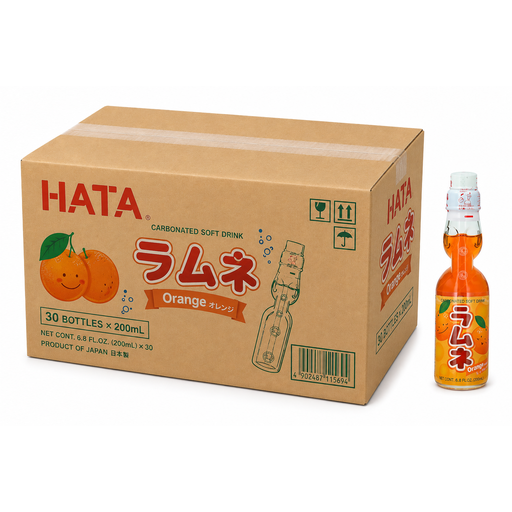
Why it suits this profile: The Japanese Ramune bottle with its glass marble offers a distinctive presentation for lovers of Asian snacks and drink collections.
The packaging clearly states that it contains 30 bottles of 200 ml. This tells you in advance that it is a multipack rather than a single sample bottle.
30 servings of 200 ml; sparkling orange drink; glass Ramune bottle with its distinctive marble.
We have compiled a complete, up-to-date list of products that fully meet these strict selection criteria and the applicable European safety regulations.
If you would rather decide the strength yourself, orange syrup may be a good choice. According to the product information, Raak fruit syrup orange lemonade can be diluted to make approximately 6 litres of drink, enough for around 30 glasses. Add sparkling water to create your own fizzy orange drink. Be sure to follow the recommended ratio and store the opened bottle according to the label.
For a juice-style option, Hui Yuan Orange Juice lists only water and concentrated orange juice as ingredients. If you are looking for an alcoholic option, Breezer Zesty Orange Sparkling Drink is a mixed drink containing rum. This option is intended for adults only and, according to the product information, contains 21 grams of sugar per 275 ml bottle. Keep alcoholic drinks out of the reach of minors and drink responsibly.
Orange juice consists mainly of juice, which may be made from concentrate. An orange drink may also contain water, sugar, sweeteners, flavourings and other fruit juices. Check the juice percentage and ingredients list.
This depends on the recipe. Charlie’s lists 0 grams of sugar per 100 ml, while Rivella Regular Orange lists 1 gram of sugar per 100 ml and uses sweeteners. A juice option with no added sugar may still contain naturally occurring sugars.
Always follow the instructions on the packaging. Many chilled drinks should be resealed after opening and used within the stated period. Syrup often has a longer shelf life, but cool storage and a tightly closed bottle are important for this too.
