Brands to compare
The product ranges listed differ in capacity, portability, connections and security features. Always check the exact model.
Western Digital
The My Passport model reviewed is a portable HDD for a local copy.
- Western Digital lists password protection and hardware encryption for the black 2 TB model reviewed, model WDBYVG0020BBK-WESN.
- Check that the compatibility and supplied USB-A cable suit the archive computers. This drive is no substitute for a separate backup plan.
Toshiba
Canvio Basics includes portable HDD models, including the 2 TB model HDTB520EK3AA.
- Toshiba lists USB-powered operation and a USB-A to Micro-B cable in the box.
- The model reviewed is pre-formatted as NTFS. Toshiba says it needs reformatting for the macOS versions listed. Check that it’s compatible with the archive computers.
Samsung
The Portable SSD T7 MU-PC1T0T/WW model reviewed is a portable 1 TB SSD for transferring files.
- Samsung quotes maximum sequential read and write speeds of 1.050 and 1.000 MB/s respectively, and lists password protection with AES-256 encryption.
- The quoted speeds are maximums, not results measured on archive computers. Check that security is set up and that there’s enough capacity.
Kingston
The XS1000 is a compact external SSD range, available in 1 TB and 2 TB models.
- Kingston specifies USB 3.2 Gen 2 and a maximum read speed of up to 1.050 MB/s for this range.
- The quoted speed is a manufacturer’s specification, not a speed measured on the archive computers. Check that the cable and connection are compatible.
Seagate
Expansion Portable is a portable HDD range; the data sheet mentioned describes the 2 TB model STKM2000400.
- The data sheet lists USB-powered operation.
- Seagate says the Rescue service isn’t available in every country. If you’re buying in the Netherlands, don’t assume it’s included without confirmation.
Products for storage and transfer
These portable HDDs and SSDs are suited to local storage or transferring audio files. Choose based on how you’ll use the drive and its connection, and make sure you also arrange separate backups.
 No image available
SanDisk Extreme Pro Portable SSD 1TB
A portable SSD for taking interview files with you or transferring them. The quoted read speed of up to 2.000 MB/s requires a compatible USB 3.2 Gen 2x2 host; the write speed is lower.
View at Joybuy
 No image available
Western Digital My Passport 6TB White
A portable HDD for a larger local storage copy. The product description lists password protection and hardware encryption. Set up the security features and arrange separate copies that you can restore.
View at Joybuy
 No image available
Western Digital My Passport 2TB Black
A portable HDD for local storage of interview files. The product description lists password protection and hardware encryption. Check the settings and don’t keep this drive as your only copy.
View at Joybuy
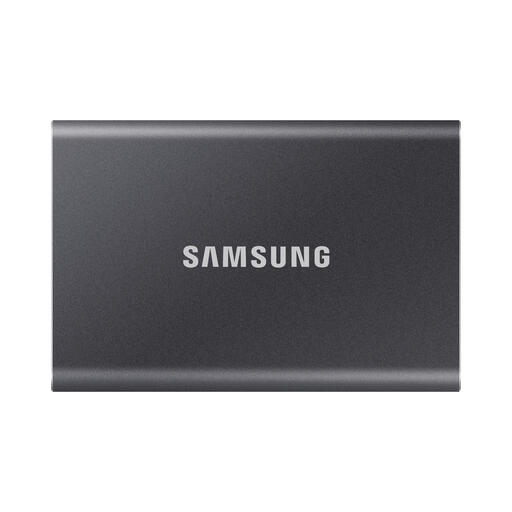 No image available
Samsung Portable SSD T7 2TB
A portable SSD for transferring larger audio files. The product name specifies USB Type-C 3.2 Gen 2. Check that the computer and cable you’ll use are compatible with the connection.
View at Joybuy
 No image available
Toshiba Canvio Basics 4TB
A portable HDD for a collection that needs local storage space. The product details don’t list a security feature, so consider separately how you’ll manage access to interviews that could be linked to individuals.
View at Joybuy
Frequently asked questions
How do you work out how much storage space you need?
Start by taking stock of your existing interview files, including their formats and sizes. Factor in transcripts, metadata and expected growth too. The Digital Heritage Network advises documenting the collection and the storage media you use. Budget separately for extra copies, in addition to your working copy.
Is one external drive enough to preserve oral history long term?
No, not as your only copy. The National Cyber Security Centre advises keeping multiple versions of important files and testing that you can restore them. This is backup advice, not a legal minimum configuration for every community archive.
Do you need to format a new drive?
It depends on the exact model and the computers you use. For example, Toshiba says the Canvio Basics model reviewed is pre-formatted as NTFS and needs to be reformatted for the macOS versions listed. Check the file system and back up any existing files before formatting.
Can you simply keep or publish interviews that identify individuals?
First, consider the applicable privacy rules and the purpose of keeping or publishing the interviews. According to the Dutch Data Protection Authority, processing personal data requires a lawful basis under the GDPR, and security measures must be appropriate to the risks. Consent is one possible lawful basis, but it isn’t automatically the only one. The Dutch Data Protection Authority notes that the GDPR doesn’t specify a general, concrete retention period. Assessing whether to keep interviews doesn’t in itself give you general permission to publish them.
Should all recordings be saved as MP3 files?
Not necessarily. The National Archives of the Netherlands lists WAV and Broadcast Wave as preferred audio formats, and MP3 as acceptable under its standard for government information. That standard doesn’t automatically apply as a requirement for a community archive. When choosing a format, also record the context and description of the recordings.


