
Vandaag of morgen in huis

Kwaliteit gegarandeerd

Welkomstaanbiedingen ontgrendelen: GRATIS bezorging | Tot 80% korting | Gratis 30 dagen JoyPlus-proefperiode
Download de app
A good oral care routine doesn’t automatically mean buying the most expensive device. Many shoppers focus on the number of brushing modes, a well-known brand or a claim about whiter teeth. What matters more are the features you’ll use every day: a pressure sensor, a clear timer, suitable bristles and easy access to replacement parts.
Here are some common pitfalls to watch out for:
Electric toothbrushes use rotating, pulsing or sonic movements. According to the product specifications, the Oral-B iO Series 2 uses 3D magnetic technology with rotating, vibrating and pulsing movements. Philips Sonicare models use sonic vibrations; some models state 62,000 movements per minute.
These figures aren’t directly comparable. Instead, look for:
A manual toothbrush may still suit you if you brush carefully and take your time. Models such as the Sensodyne Deep Clean Extra Soft are designed for people looking for soft bristles and a smaller brush head. According to the product information, the micro-fine, tapered bristles are designed for gentle cleaning.
A toothbrush with a pressure sensor warns you when you’re brushing too hard. According to the product description, the Oral-B iO 2 gives a red warning and adjusts its speed. Philips Sonicare models may use a light or vibration signal.
A pressure sensor can’t stop you brushing too hard, but it can help you adjust your technique. Also, don’t use a worn brush head. Manufacturers generally recommend replacing a brush head or toothbrush about every three months, or sooner if the bristles start to splay.
A water flosser or oral irrigator uses a targeted stream of water to dislodge food debris from between your teeth and along the gumline. This can be especially useful if you have braces, implants or wider gaps between your teeth. Start on a low pressure setting and increase it only if it feels comfortable. If you’re unsure about using one around an implant, braces or a gum problem, ask your dentist for advice.
According to the product specifications, the Oral-B Oxyjet MD20 Advanced has a 600 ml water tank, five pressure settings and four water-jet modes. It isn’t cordless and comes with an Oxyjet and a Waterjet nozzle. Always check that you have enough room for a water flosser beside your sink and that replacement nozzles are easy to find.
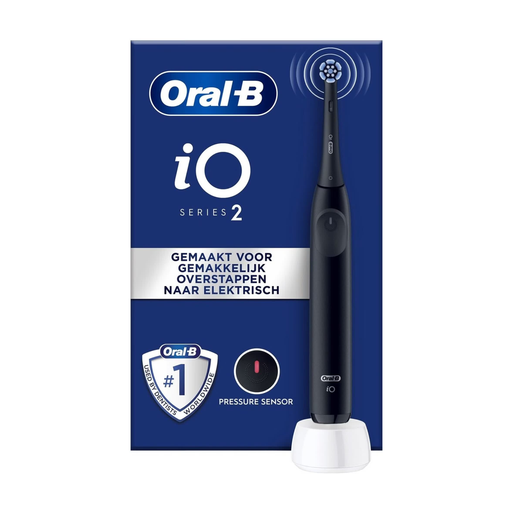
Why it suits this profile: With one button, three intensity levels and a timer, this model makes it easy to switch from a manual toothbrush.
The pressure sensor warns you when you’re pressing too hard, while the brushing modes are easy to navigate, without an overly complicated control panel.
Three intensity levels, a 30-second interval timer and a rechargeable lithium-ion battery, according to the product details.
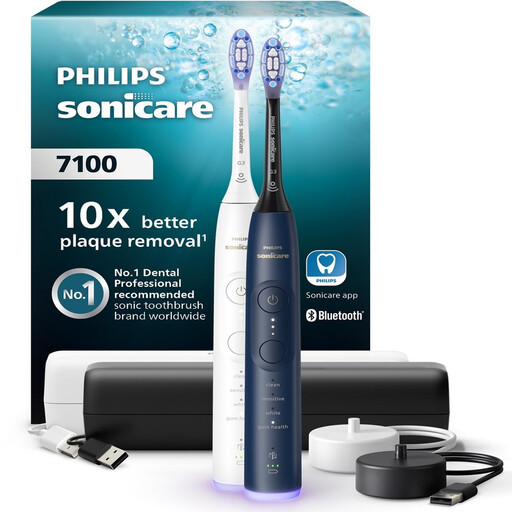
Why it suits this profile: A good choice for households that value multiple modes, two handles and a travel case.
The product specifications list a pressure sensor, timer and replacement reminder, so you don’t have to rely on marketing claims alone.
Four brushing modes, three intensity levels, two handles, two brush heads and a premium travel case.
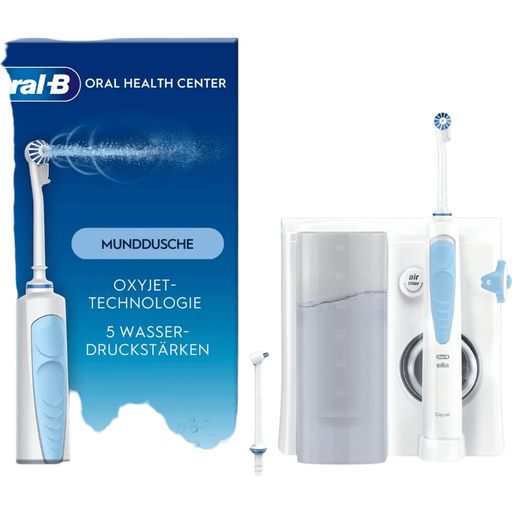
Why it suits this profile: A practical choice if you want to do more than brush and give extra attention to the spaces between your teeth, braces or implants.
You can choose from five pressure settings, and the tank holds 600 ml. This makes it easy to check the settings and capacity before you buy.
Four water-jet modes, five pressure settings and two different nozzles, according to the product information.
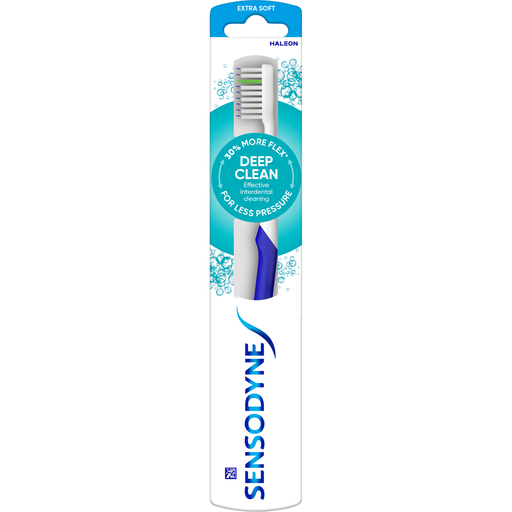
Why it suits this profile: The extra-soft bristles and compact head suit people who prefer to brush manually and with light pressure.
This model doesn’t rely on unnecessary electronic features. The focus is on bristle firmness, head size and control.
Extra-soft bristles, a small brush head and a non-slip handle, according to the product information.
We’ve put together a complete, up-to-date list of products that meet these strict selection criteria and current European safety regulations.
Replace a toothbrush or brush head about every three months. Do so sooner if the bristles are bent, loose or visibly worn. Also check the instructions on the brand’s packaging.
No. A water flosser is an addition to brushing and can help dislodge food debris from between your teeth. Start on the lowest pressure setting and follow the instructions. The right nozzles and settings may vary if you have braces or an implant.
As well as the purchase price, your main costs will be replacement brush heads, electricity and any extra accessories. Compare the number of brush heads included, the price of compatible refills and, for a duo pack, the number of handles and chargers. A model with lots of settings won’t necessarily be better value if you don’t use them.
