
Vandaag of morgen in huis

Kwaliteit gegarandeerd

Welkomstaanbiedingen ontgrendelen: GRATIS bezorging | Tot 80% korting | Gratis 30 dagen JoyPlus-proefperiode
Download de app
A good oral care routine involves more than just buying toothpaste. The right combination depends on your teeth, sensitive gums, how much time you have and how you clean between your teeth. Marketing can sometimes make the choice unnecessarily complicated. For example, a mouthwash might promise long-lasting fresh breath, while a whitening toothpaste may only tackle surface stains. An electric toothbrush may have lots of features, but not everyone uses an app or several brushing modes.
This guide will help you compare everyday oral care products without relying on slogans alone.
Mouthwash can complement brushing and cleaning between your teeth. It doesn’t replace fluoride toothpaste, a toothbrush or dental floss. Always check the instructions, age limit and ingredients. An alcohol-free formula may feel gentler in your mouth, while a formula containing alcohol may feel sharper.
Whitening toothpaste usually targets surface stains, such as those caused by coffee, tea or smoking. That doesn’t necessarily mean it changes the natural colour of your teeth. Check the fluoride concentration and use the product as directed on the label. Stop using it if you experience irritation or increased sensitivity.
An electric toothbrush with several modes, a pressure sensor and an app can be useful, but check the cost of replacement brush heads, battery life and included accessories too. With a manual toothbrush, the bristle firmness, head shape and a comfortable handle matter more than a striking design.
For many adults, fluoride toothpaste is a sensible foundation for everyday oral hygiene. Check the amount on the packaging, often shown as ppm fluoride. According to the product information, the Oral-B 3D White Arctic Fresh products contain 1450 ppm fluoride. Parodontax Extra Fresh toothpaste lists 1400 ppm fluoride.
Whitening toothpaste with abrasive ingredients, such as hydrated silica, is mainly intended for surface stains. If you have sensitive gums or teeth, brush gently with a soft toothbrush and watch for signs of irritation. If symptoms persist, it’s wiser to ask a dentist for advice than to keep trying different products.
A toothbrush can’t reach every tight space. Choose a tool that suits the gaps between your teeth:
According to the product details, Derlon Floss, 50 metres long, has a smooth, shred-resistant texture. Sence Floss Picks Bamboo Fresh combine floss with an interdental stick and are described as having a biodegradable handle. With products like these, always check that the size is suitable for your teeth.
Check the recommended amount and contact time. According to the product information, Sence Mouthwash Freshmint contains 0% alcohol, fluoride and 500 ml. The instructions say to use 20 ml for 30 seconds, then spit it out. Do not swallow.
Other mouthwashes have different ingredients and age limits. For example, CB12 products in the range state that they are suitable for use from the age of 12. Brand claims about freshness or bacteria should be understood as claims made by the brand, not as a universal result. Always check the current packaging for ingredients and warnings.
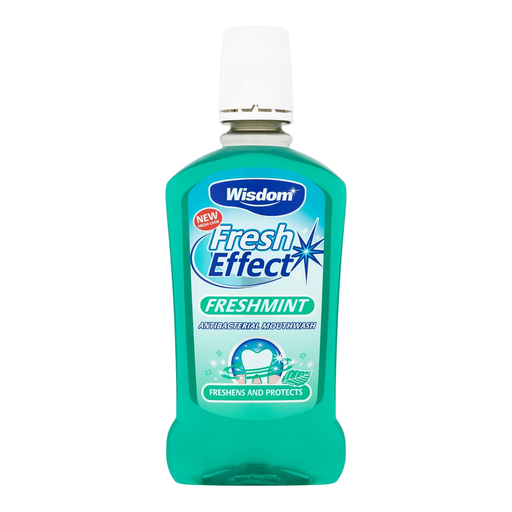
Why it suits this profile: A simple addition for families looking for an alcohol-free mouthwash with a fresh mint flavour.
The product information clearly states 0% alcohol, fluoride and a 20 ml dose. It is used as a complement to brushing and flossing.
500 ml, an alcohol-free formula and fluoride according to the product specifications.
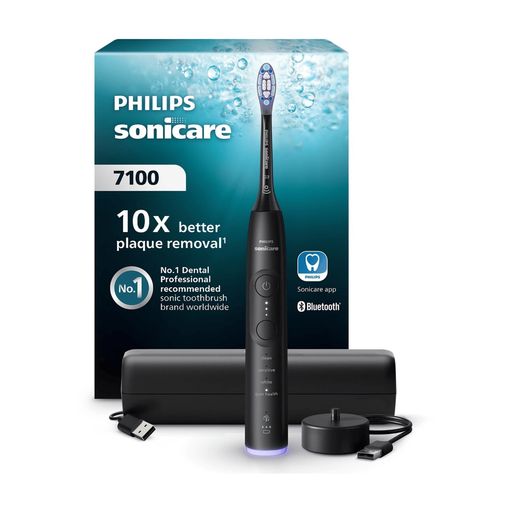
Why it suits this profile: Suitable for adults who value guided brushing, several brushing modes and a travel case.
A pressure sensor helps alert you when you’re brushing too hard. That means your choice isn’t based solely on brushing movements or an app.
62,000 brushing movements per minute, four modes, three intensity settings and a brush head replacement reminder, according to Philips.
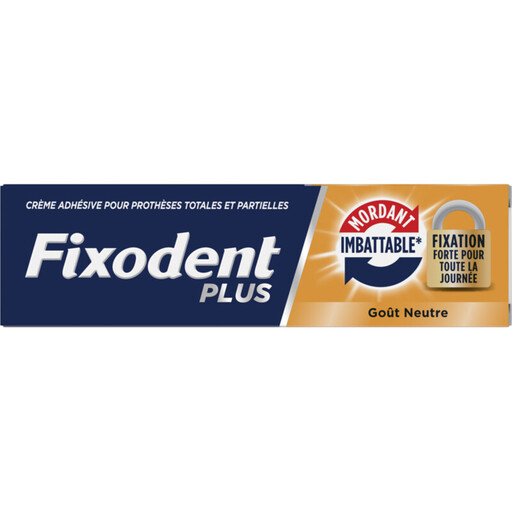
Why it suits this profile: For denture wearers looking for an adhesive to use on clean, dry dentures.
The instructions recommend using small amounts and not applying more than directed. Stop using it and ask for advice if irritation occurs.
40 g, for use on clean, dry dentures, with clear safety instructions.
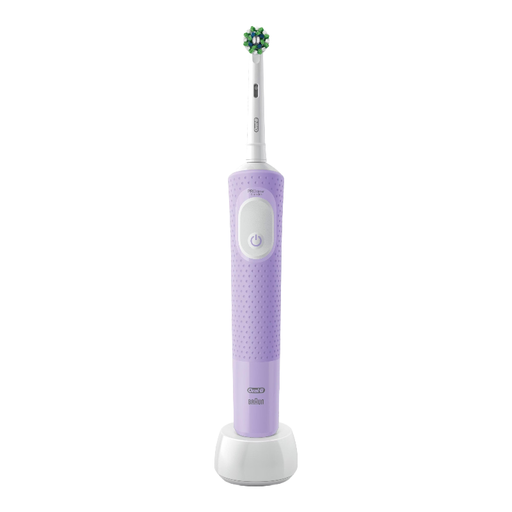
Why it suits this profile: A practical choice for adults looking for a straightforward electric toothbrush with a sensitive mode and timer.
The product description lists a Sensitive programme and a built-in timer, so you’re less reliant on avoiding excessive pressure or brushing for too little time.
Sensitive brushing mode, two-minute timer and rechargeable battery according to the product specifications.
We’ve put together a complete, up-to-date list of products that meet these strict selection criteria and the applicable European safety regulations.
Replace a manual toothbrush or brush head roughly as often as the packaging recommends, or when the bristles are visibly worn. Product information for several electric toothbrushes gives three months as a guideline. When buying an electric toothbrush, factor in the cost of replacement brush heads and, where relevant, batteries or a charging station, as well as the purchase price.
For dental floss, floss picks and interdental sticks, regular use is what matters most. Choose a pack size that suits your routine. A multipack of toothpaste or mouthwash may seem like good value, but check the expiry date, storage requirements and amount used each time.
Not always. Depending on the formula, mouthwash can be an extra step for a fresh feeling or additional fluoride. It doesn’t replace brushing with fluoride toothpaste or cleaning between your teeth. Follow the dosage and age advice on the packaging.
Replace a manual toothbrush or brush head when the bristles are worn. Many product instructions recommend doing so about every three months, but visibly frayed bristles may mean you need to replace it sooner. A pressure sensor won’t make a worn brush head effective again.
Brush gently, choose a soft toothbrush or sensitive mode, and clean carefully between your teeth. Avoid products that cause irritation. If your gums continue to bleed, feel painful or become swollen, contact a dentist.
