
Vandaag of morgen in huis

Kwaliteit gegarandeerd

Welkomstaanbiedingen ontgrendelen: GRATIS bezorging | Tot 80% korting | Gratis 30 dagen JoyPlus-proefperiode
Download de app
A good daily oral hygiene routine isn't built on just one product. You'll usually need a toothbrush and toothpaste, plus a solution for cleaning between your teeth. Yet it's easy to pay more for features you'll never use, or to pick a product that doesn't suit your teeth.
The main pitfalls when it comes to oral care are:
A manual toothbrush is simple, affordable and ready to use straight away. Pay attention to the shape of the head and the type of bristles. A multi-pack is practical if you want to replace them on time or keep a travel toothbrush handy.
An electric toothbrush can offer extra guidance through a timer, intensity settings or a pressure sensor. Always check which parts are included. A model with one handle and one brush head has different running costs than a duo pack.
The Oral-B iO Series 2 features an automatic pressure sensor, three intensity settings and a timer with signals every 30 seconds and after two minutes, according to the product description. The Philips Sonicare 7100 models list four brushing modes, three intensities and a pressure sensor. These are verifiable features; claims about a specific cleaning result come from the brand's own product communication.
With toothpaste, the fluoride content, flavour and additional properties are relevant buying criteria. The Oral-B and Colgate variants mentioned contain 1450 ppm fluoride according to the product information. A whitening toothpaste typically targets surface stains. According to Oral-B's own research, the 3D White Arctic Fresh variant removes up to a certain percentage of surface stains. Treat that as a brand claim, not a guaranteed change to your natural tooth colour.
For sensitive gums, you can focus on a gentle brushing routine and a suitable brush. Parodontax Extra Fresh contains 1400 ppm fluoride according to the product information and is intended for adults who want to pay attention to their gums. Stop if you experience irritation and ask your dentist for advice if problems persist.
A toothbrush can't reach all interdental spaces. Dental floss, a flosser, interdental sticks or a water flosser can therefore be a useful addition. Your choice depends on the space between your teeth, braces, crowns or other dental work.
With mouthwash, check whether you need to dilute it, how long to rinse for, and whether it contains any ingredients you might be sensitive to. Mouthwash does not replace brushing and cleaning between your teeth.
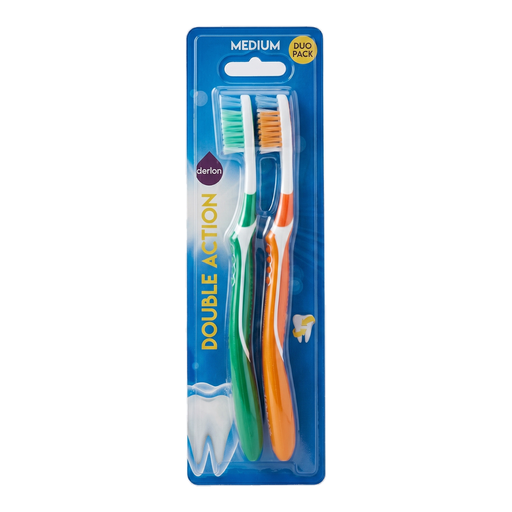
Why this fits the profile: A simple manual model with no charging station or battery. The pack contains two toothbrushes for home use or as a spare.
You're not paying for electronic features you may not need. Replace the brush as per the instructions or sooner if the bristles become worn.
Manual use, two pieces per pack and a medium firmness according to the product name.
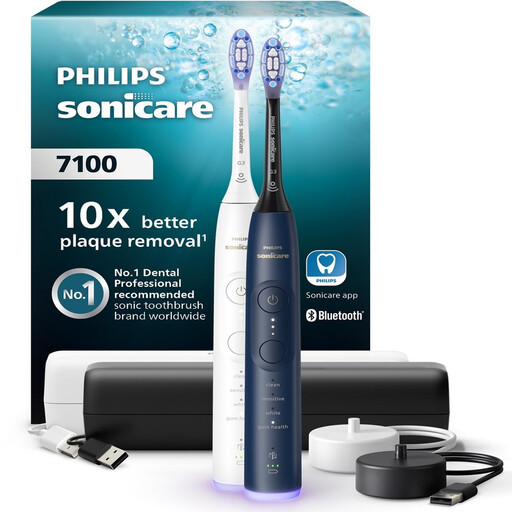
Why this fits the profile: This duo pack includes two handles, two brush heads and a travel case. That suits partners or households who want to use the same product line.
The included accessories and replacement reminders make the ongoing costs and parts easier to manage.
Four brushing modes, three intensities, pressure sensor, timer and two handles according to the product data.
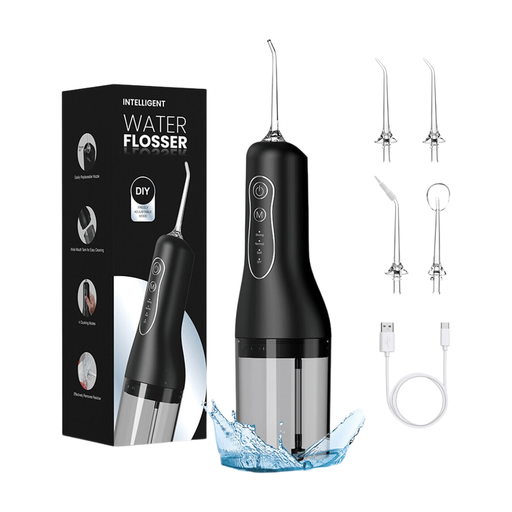
Why this fits the profile: The cordless water flosser is designed for users who want to clean between their teeth with water and also take the device with them when travelling.
The adjustable pressure prevents you from starting on the highest setting straight away. The tank is removable and the set includes multiple nozzles.
Four modes, a removable 260 ml tank, three types of nozzle and USB-C charging according to the product information.
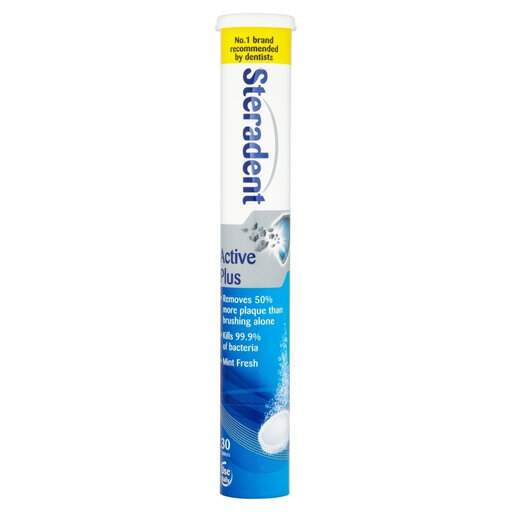
Why this fits the profile: A useful addition for daily denture cleaning of full or partial prostheses.
The instructions state a short soaking time with warm, not boiling, water. The solution must not be swallowed and the tablet must not be placed directly in the mouth.
Pack of 30 tablets and use for full or partial prostheses according to the product description.
We've put together a full, up-to-date list of products that fully meet these strict selection criteria and comply with current European safety regulations.
A manual toothbrush should generally be replaced when the bristles become worn or start to splay. For many electric models, the product information recommends replacing the brush head after about three months. Always check the advice on the packaging and replace sooner if you notice visible wear.
That depends on your preference, the space between your teeth and your dental situation. Dental floss works without a device and is compact. A water flosser offers adjustable water pressure and can be practical if you have braces or prefer not to work with floss. Always start on a low setting if you have sensitive gums.
Beyond the purchase price, you need to factor in replacement brush heads, toothpaste, flossing products and batteries or charging accessories. A manual toothbrush has few ongoing costs. With an electric toothbrush, check the price and availability of compatible brush heads. For dentures, compare the number of cleaning tablets per pack and your weekly usage.
