
Vandaag of morgen in huis

Kwaliteit gegarandeerd

Welkomstaanbiedingen ontgrendelen: GRATIS bezorging | Tot 80% korting | Gratis 30 dagen JoyPlus-proefperiode
Download de app
If you’re looking for Optimum Nutrition whey protein, you’ll soon come across dozens of varieties, flavours and pack sizes. The differences aren’t just about price. A whey protein powder for everyday use has a different formula from a mass gainer or a low-sugar whey isolate.
Most purchasing mistakes come down to three common marketing traps:
So, the right choice starts with your nutrition goal, preferred serving size and the nutritional values per serving.
Don’t just look at the name on the front of the pack; check the ingredients list too. According to the product information, standard Gold Standard Whey contains a blend of whey protein isolate, whey protein concentrate and hydrolysed whey peptides. The 300 g and larger packs provide around 24 grams of protein per serving.
A whey isolate consists mainly of whey protein isolate. According to the product specifications, Optimum Nutrition 100% Gold Standard Isolate provides 25 grams of protein per 31-gram serving, with less than 1 gram of carbohydrates and less than 0.5 grams of sugar and fat per serving. This may suit adults who want to increase their protein intake without adding many extra calories.
For a low-sugar protein powder, the values per serving matter more than general terms such as “lean” or “light”. According to the nutrition information provided, standard Gold Standard varieties contain around 116 to 119 kcal, approximately 1 to 1.6 grams of sugar and around 24 grams of protein per serving.
A mass gainer has a very different purpose. According to the product description, Optimum Nutrition Serious Mass Vanilla provides around 50 grams of protein, 250 grams of carbohydrates and 1,269 to 1,292 kcal per 334-gram serving. It’s designed to increase your calorie intake, not to make a light protein shake.
Check how many shakes you’ll actually get from a pack. The 930 g isolate packs contain around 31 servings, while 1.6 kg of Platinum Hydro Whey provides around 40 servings. A bag or tub with more grams isn’t automatically better value if the recommended serving size is also larger.
Also check for allergens. The products mentioned contain milk; many varieties also contain soya from lecithin. Some product information warns that they may contain traces of gluten, egg, peanuts and nuts. Always check the label on the pack you receive, especially if you have an allergy or intolerance.

Why it suits this profile: With around ten servings, this compact size is a practical way to try a flavour and see how a daily protein shake fits into your routine.
You don’t need to buy a large supply straight away. The product information lists around 24 g of protein and 119 kcal per serving.
A whey blend with isolate, concentrate and hydrolysed whey peptides; instant powder to mix with water or milk.

Why it suits this profile: This formula is a good fit for athletes who value a high protein content per gram of powder and low sugar and fat levels.
The nutrition information lists sugar, fat, carbohydrates and protein separately per serving, rather than relying on a general claim.
According to the product details, 25 g of protein per serving, less than 1 g of carbohydrates and around 31 shakes per pack.
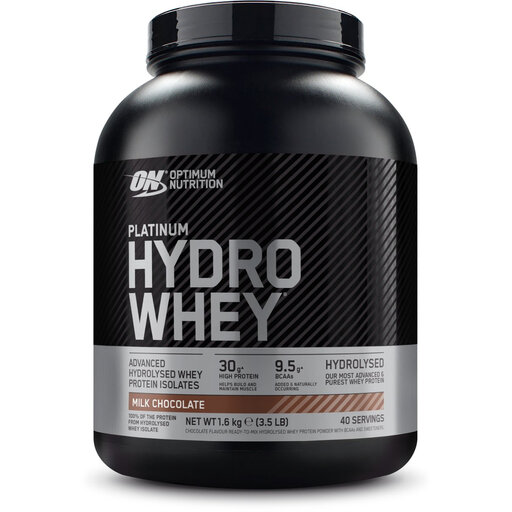
Why it suits this profile: The hydrolysed whey protein formula is designed for people who specifically want an isolated, hydrolysed protein source.
The product description clearly states 30 g of protein per 40 g serving and around 40 servings, so you can work out the cost per shake.
30 g of protein per serving; according to the label, the chocolate flavour contains 1.2 g of carbohydrates and 0.5 g of sugar per serving.
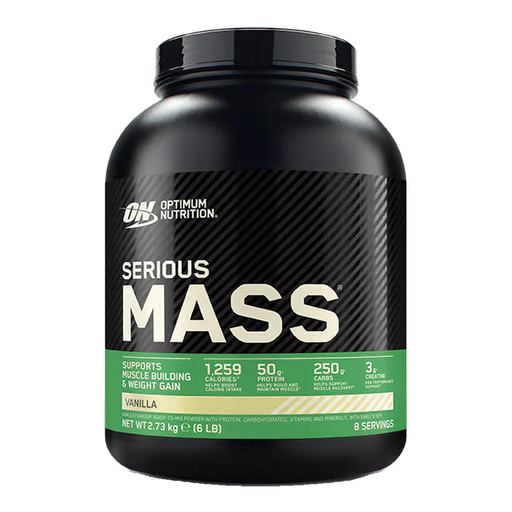
Why it suits this profile: This mass gainer is for adults who find it difficult to get enough calories alongside their usual meals.
The very high nutritional values per serving are clearly stated, so this product is hard to mistake for a low-calorie protein shake.
According to the product information, each 334 g serving provides 50 g of protein, 250 g of carbohydrates and added creatine.
We’ve put together a complete, up-to-date list of products that meet these strict selection criteria and current European safety requirements.
You can have a protein shake after exercise, or at another time when you need to top up your daily protein intake. The product information for several Optimum Nutrition varieties recommends one serving per day. Your overall protein requirements depend on your diet, body weight and training goal.
Whey isolate is generally low in carbohydrates and sugar, but always check the nutrition table for the flavour you choose. The 100% Gold Standard Isolate lists less than 0.5 grams of sugar per serving. If you make your shake with milk, the milk’s nutritional values will also need to be taken into account.
The best-before date is shown on the packaging. Store the powder as directed on the label, usually sealed in a cool, dry place away from direct sunlight. Always follow the product information on the pack you receive. If its smell, taste or texture changes, it’s best not to use it.
