
Vandaag of morgen in huis

Kwaliteit gegarandeerd

Welkomstaanbiedingen ontgrendelen: GRATIS bezorging | Tot 80% korting | Gratis 30 dagen JoyPlus-proefperiode
Download de app
If you’re looking for Optimum Nutrition whey protein, you’ll soon come across dozens of varieties, flavours and pack sizes. The difference isn’t just the price. The protein source, allergens, amount per serving and when you plan to use it all help determine whether a product is right for you.
As a Joybuy Product Recommendation Officer, I focus on verifiable details in the product information. That way, you can avoid paying just for eye-catching packaging or a marketing claim.
A powder with a high protein percentage per 100 grams isn’t automatically the most practical choice. Check the serving size, the number of servings per pack, and the amount of sugar, carbohydrates and fat in each shake. A product may look like a good option per 100 grams, but be less practical if the recommended scoop is large.
Whey isolate is a processed form of whey protein and is the main ingredient in some Optimum Nutrition Gold Standard varieties. However, that doesn’t automatically mean the product is suitable for everyone with a milk allergy or intolerance. For most whey varieties, the product information lists milk and soya as allergens. Always check the current label.
BCAAs occur naturally in protein sources. A product containing, for example, around 5 grams of BCAAs per serving can be a convenient way to supplement your protein intake, but the amount of BCAAs doesn’t replace a full assessment of your overall diet. According to the product information, several Gold Standard varieties contain around 5 grams of naturally occurring BCAAs per serving.
Whey protein powder is made from milk. The Gold Standard range uses a blend of whey protein isolate, whey concentrate and hydrolysed whey proteins. The varieties typically provide around 24 grams of protein per serving of approximately 30 to 32 grams. This can work well in a protein shake after exercise or as a way to top up your daily intake.
If you want to avoid milk ingredients, you can choose plant-based protein. According to the product description, Optimum Nutrition 100% Plant Protein combines pea and rice protein. The Clear Protein varieties are made with hydrolysed pea protein isolate.
Don’t rely on terms such as ‘low sugar’ or ‘sugar-free’ alone; check the nutrition table for each serving. For example, Delicious Strawberry whey lists 24 grams of protein, 1.2 grams of sugar and 112 kcal per 30-gram serving. Other flavours may contain different amounts of carbohydrates due to biscuit pieces, cocoa or flavourings.
A low-sugar protein powder is a practical choice if you mainly want to top up your protein intake without adding much extra sugar. However, check whether your chosen flavour has the same nutritional values as another variety.
A 450- or 480-gram pack is handy for trying out a flavour. Packs of around 2 kilograms are a better option if you use shakes regularly, but only if you already know you like the flavour and have checked the best-before date on the label.
The Gold Standard product information usually recommends mixing one scoop with around 180 to 240 ml of cold water or milk. Clear Protein uses 28 grams of powder mixed with 600 ml of cold water. After shaking, leave it to stand briefly so the natural foam can settle. This makes for a different drinking experience from a classic milky shake.
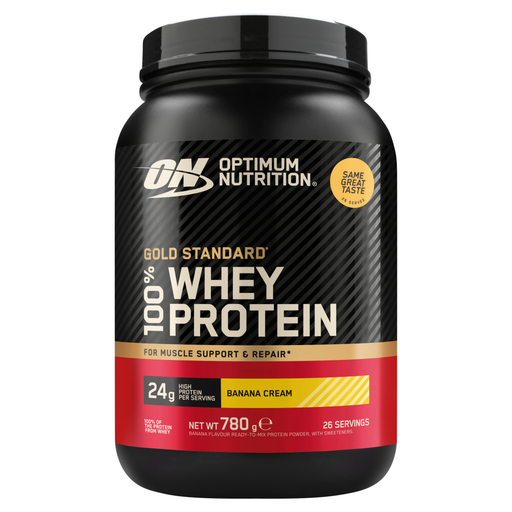
Why it suits this profile: The 780-gram pack offers a useful middle ground between a trial size and a large supply. The product information lists 24 grams of protein per serving, with whey isolate as the main protein source.
The serving size and nutritional values are clearly listed. However, check the current packaging for milk and soya allergens before ordering.
24 grams of protein per serving, around 5.2 grams of naturally occurring BCAAs and a pack size suited to regular use.
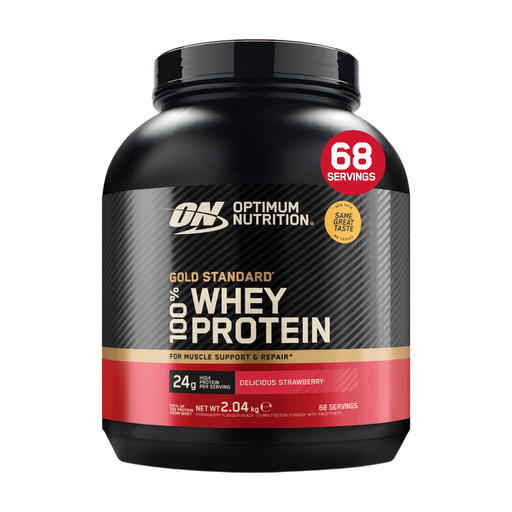
Why it suits this profile: This large pack is aimed at active people who use a shake several times a week and want to stick with a familiar flavour.
The product information lists 24 grams of protein, around 5 grams of BCAAs and a low sugar content. Check the nutritional values for each flavour separately, as they may differ.
2.04 kilograms of powder, whey isolate in the blend and around 24 grams of protein per serving.
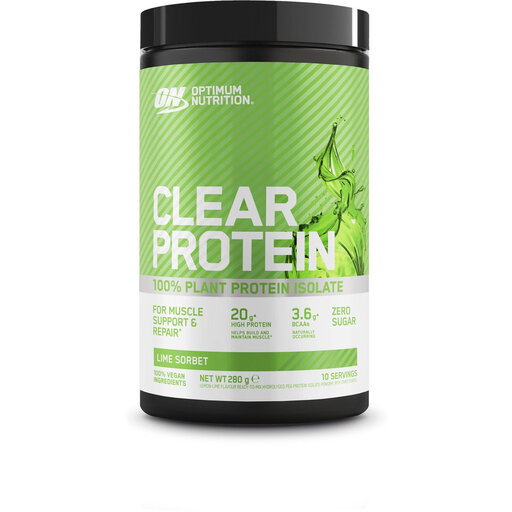
Why it suits this profile: This vegan protein is designed for anyone who doesn’t want a milky texture. Its light, drink-like consistency can work well in the morning, around your workout or after exercise.
The product description states that it contains 100% plant-based ingredients, no sugar and 20 grams of protein per serving. Check the warning about possible traces of allergens.
20 grams of plant-based protein, 3.6 grams of naturally occurring BCAAs and 10 servings per pack.
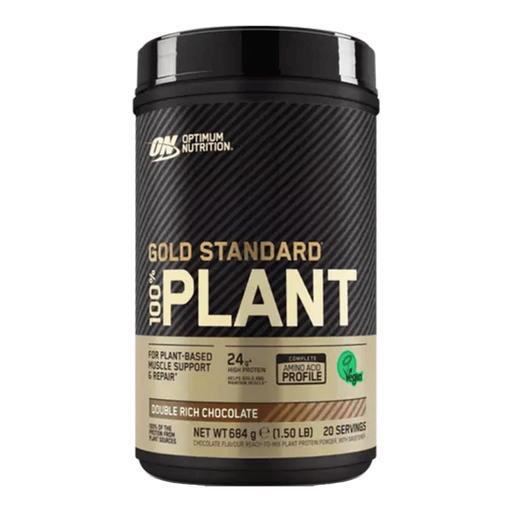
Why it suits this profile: The blend of pea and rice protein offers a plant-based alternative to whey. According to the product information, it contains 24 grams of plant-based protein per serving.
You won’t accidentally choose a milk-based whey blend. However, check the label for possible traces of milk, gluten, egg, soya, tree nuts and peanuts.
24 grams of plant-based protein per serving, 684 grams of powder and 20 servings according to the product details.
We’ve put together a complete, up-to-date list of products that meet these strict selection criteria and current European safety requirements.
You can have a shake after exercise as a convenient way to top up your overall protein intake. The product information for several Gold Standard varieties recommends using them within around 30 to 60 minutes of training, but the exact timing matters less than your overall diet throughout the day.
Check the best-before date and batch number on the packaging. Store the powder as instructed: tightly sealed, in a dry place and out of direct sunlight. Always use a dry scoop, and check the smell, colour and texture if the pack has been open for a long time.
24 grams per serving can be a practical amount as part of a varied diet. The total amount you need varies from person to person and depends on factors including body weight, activity level and your goals. Protein powder is a supplement, not a replacement for a varied meal.
