
Vandaag of morgen in huis

Kwaliteit gegarandeerd

Welkomstaanbiedingen ontgrendelen: GRATIS bezorging | Tot 80% korting | Gratis 30 dagen JoyPlus-proefperiode
Download de app
A tub of Optimum Nutrition whey protein may seem straightforward to choose at first glance. However, the products differ in protein source, serving size, flavour, packaging and number of shakes. If you only look at the brand name or a striking claim, you may end up paying for a formula that does not suit the way you intend to use it.
For adults who exercise, do strength training or want to increase their daily protein intake, these three pitfalls are particularly important:
Do not just compare the number shown on the front. One serving might contain 24 grams of protein from a scoop of around 30 grams, while another formula provides 30 grams of protein from a 40-gram scoop.
The available products include the following values:
The percentage of protein per 100 grams makes it easier to compare formulas fairly. Also check the sugar, fat, carbohydrate and salt content. These values may vary between flavours. The claim that protein contributes to the growth and maintenance of muscle mass is an authorised EU health claim, provided the conditions for its use are met. The product is not a substitute for a varied diet.
Whey protein is a milk protein that is often used in a protein shake after exercise or at another time of day. According to the product information, Gold Standard whey contains a blend of whey isolate, whey concentrate and hydrolysed whey protein fractions.
Whey isolate is filtered further than many standard whey concentrates. The Gold Standard Isolate variants state that they provide 25 grams of protein per shake and less than 1 gram of carbohydrate. This may appeal to buyers who are mainly focused on the protein percentage and keeping sugar intake limited.
Hydrolysed whey protein consists of protein that has been partially broken down, according to the product description. The Platinum Hydro Whey variants use hydrolysed whey protein isolate as their main protein source and provide 30 grams of protein per serving. This type of formula is not automatically necessary for every athlete; check that its composition suits your own preferences and budget.
Casein protein, such as Gold Standard Casein, is generally digested more slowly than whey. According to the product information, micellar casein is intended for use between meals or before bed. Its thicker texture may be suitable for a filling protein shake or protein-rich recipes, but it is not the same as a light whey shake.
A 780-gram pack contains approximately 26 servings in some Gold Standard whey variants. According to the product information, the 2.02 kg pack provides around 65 servings, while the 4.53 kg tub lists approximately 151 servings. A larger pack can be practical for daily use, but only if you enjoy the flavour over an extended period.
For a first purchase, vanilla-flavoured protein powder or a smaller pack may be a wiser choice than buying a large tub straight away. If you already know that you enjoy chocolate, you could choose chocolate-flavoured protein powder, such as Double Rich Chocolate or Chocolate Supreme. Check the ingredients for every variant: the products contain milk and often soya; some may contain traces of gluten, egg, nuts or peanuts.
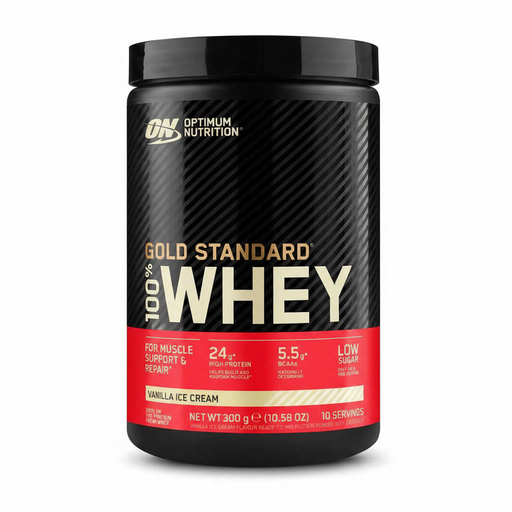
Why it suits this profile: The 300-gram pack is an accessible way to try a protein shake and vanilla-flavoured protein powder without buying a large supply straight away.
You can assess the flavour and how easily it mixes before choosing a larger pack. The product information states approximately 24 grams of protein per serving.
Compact size; whey blend with isolate, concentrate and hydrolysed whey protein fractions; approximately 24 grams of protein per serving.

Why it suits this profile: This variant is intended for adults who want to compare a whey isolate formula with a clear nutritional profile against a standard whey blend.
The product details identify one main source: whey protein isolate. Each 31-gram serving contains 25 grams of protein, less than 1 gram of carbohydrate and less than 0.5 grams of fat.
25 grams of protein per shake; 31 servings; vanilla flavour; clear identification of milk and soya as allergens.
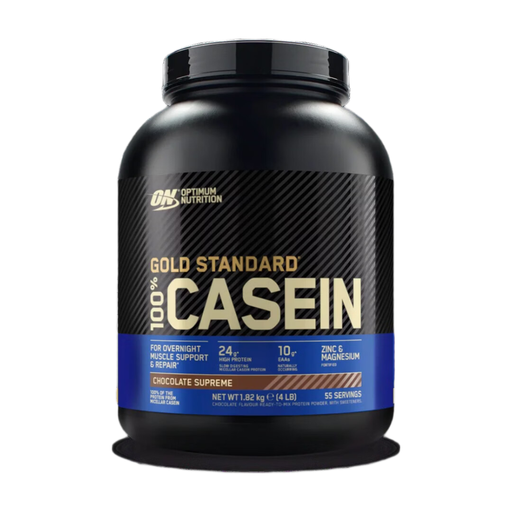
Why it suits this profile: Gold Standard Casein is designed for between-meal or bedtime use, when you are looking for a slowly digestible protein source.
Here, you are deliberately choosing casein rather than a fast-digesting whey shake. The product information states 24 grams of micellar casein per serving and approximately 55 scoops.
1,800 grams of product; approximately 55 servings; chocolate flavour; suitable for use before bed or between meals.
We have put together a complete, up-to-date list of products that fully meet these strict selection criteria and the applicable European safety regulations.
Always follow the dosage instructions on the packaging. Many Gold Standard whey variants recommend mixing one scoop with approximately 180 to 240 ml of cold water or milk. Platinum Hydro Whey states 260 ml of liquid for a 40-gram serving. Casein is generally mixed with 300 to 360 ml of water.
Protein after exercise is a convenient way to supplement your daily protein target, but the exact timing is not the only factor to consider. Your total protein intake, regular meals and training schedule are also relevant. Use the powder to supplement a varied diet, not to replace it.
Follow the storage instructions, seal the packaging securely and check the use-by date. If you have a milk or soya allergy, take medication or have a medical condition, check the label first and seek advice from a doctor or another qualified healthcare professional if necessary.
According to the product information, Gold Standard whey contains approximately 24 grams of protein per serving. Protein contributes to the growth and maintenance of muscle mass. Results also depend on training, overall diet and recovery. The shake is therefore a practical supplement, not a training programme in itself.
Whey isolate is often chosen as a milk protein for a light shake around exercise. Casein, including Gold Standard Casein, is micellar casein and is described as being digested more slowly. This makes casein more suitable for use before bed or between meals. Always compare the nutritional values and ingredients of the specific flavour.
That depends on the pack size and the number of servings you have each day. A 930-gram pack with 31 shakes will last approximately one month if you have one shake per day. A 1.8 kg tub with around 55 servings will last longer with the same usage. Base your calculation on the number of servings, not just the weight of the tub.
