
Vandaag of morgen in huis

Kwaliteit gegarandeerd

Welkomstaanbiedingen ontgrendelen: GRATIS bezorging | Tot 80% korting | Gratis 30 dagen JoyPlus-proefperiode
Download de app
A large tub, eye-catching claims and an appealing chocolate flavour can make choosing a product tricky. If you’re looking for Optimum Nutrition protein powder, you may find yourself comparing whey protein, Gold Standard Whey, whey protein isolate, hydro whey and casein without knowing exactly which differences matter.
The key question isn’t which tub looks most impressive. It’s how you plan to use the powder, how much protein you get per serving and which ingredients it contains. Below, we cover the main things to consider, along with some product picks for different needs.
A 30 to 40 g scoop might contain 24 or 30 g of protein, for example. But that difference doesn’t tell you everything. Check the serving size, the number of servings and the nutritional values per 100 g too. A larger scoop may show a higher protein figure, even when the protein percentage is similar.
Whey, isolate and hydro whey are often associated with use around workouts. That can make them convenient, but it doesn’t automatically mean you need a particular type. For many people who exercise, the main things to consider are whether the product fits into their overall daily protein intake and whether it’s convenient to use.
A 2 kg pack may seem good value per serving, but it’s less convenient if you don’t enjoy the flavour. A 30 g sachet or a pack of around 768 to 930 g can be a practical way to start. Also check sweeteners and allergens such as milk and soya.
Claims about absorption, muscle recovery or when to use a product come from the brand’s product information. They don’t guarantee any particular personal result. Under an authorised EU health claim, protein contributes to the growth and maintenance of muscle mass as part of a varied diet.
If you’re looking for a low-sugar protein powder, it’s worth checking the label for each serving. The Gold Standard Whey flavours mentioned contain around 1 to 1.3 g of sugar per serving, depending on the flavour. The Isolate version lists less than 0.5 g of sugar per serving.
Check the ingredients list too. Many varieties contain sweeteners such as sucralose and acesulfame-K. That isn’t necessarily a problem, but the flavour and sweetness can vary between products.
Don’t compare the price of the tub alone. Divide the price by the number of servings, and check how many grams of protein each serving provides. A 2.02 kg pack is practical for everyday use, while a smaller tub or sachet may be a better choice if you want to try a flavour first.
For mixing, the product pages generally recommend 180 to 240 millilitres of water or milk for whey, and 250 to 350 millilitres for isolate. According to the product information, casein should be mixed with around 300 millilitres of liquid and often has a thicker texture.
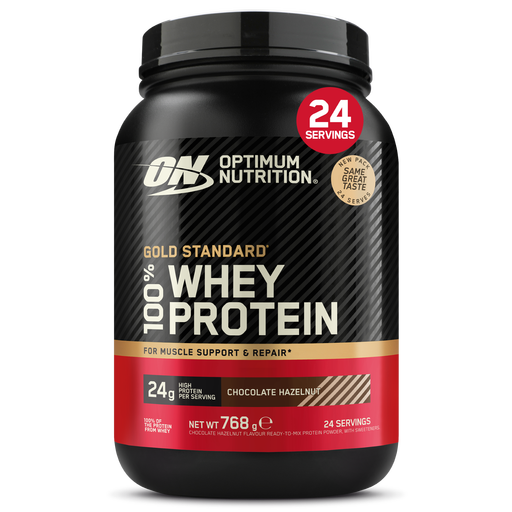
Why it suits this profile: With around 24 servings, the 768 g pack is a manageable choice if you want to try having a protein shake every day without buying several kilos at once.
The number of servings and nutritional values per scoop are clearly listed, so you don’t have to judge it by the size of the pack alone.
Around 24 g of protein per serving, a blend of whey isolate and whey concentrate, and an instantised powder for mixing with water or milk.
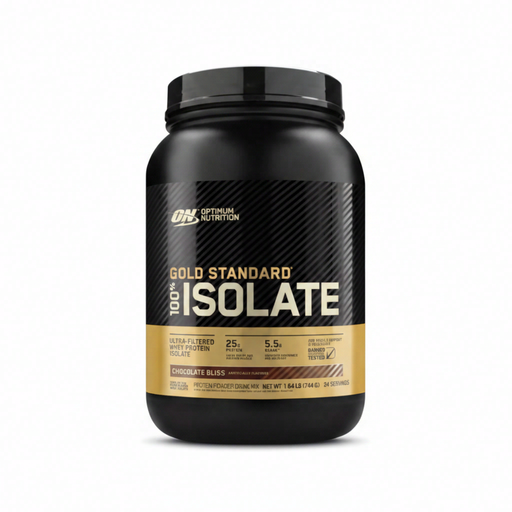
Why it suits this profile: This variety is aimed at people who exercise and are particularly focused on protein content and keeping sugar and fat per serving low.
The nutritional information lists 25 g of protein, less than 1 g of carbohydrate and less than 0.5 g of fat per serving.
31 servings per pack, a chocolate flavour and a formula made with whey protein isolate.
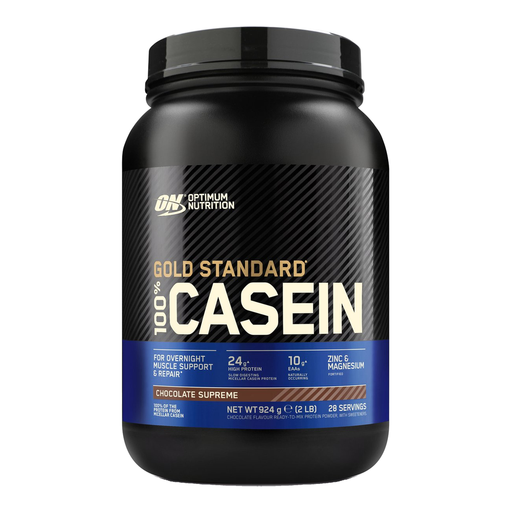
Why it suits this profile: Casein may suit adults who want a protein shake between meals or before bed, when they don’t have another meal planned for a while.
Rather than automatically choosing a fast shake after exercise, you’re opting for a product type described as suitable for longer gaps between protein servings.
24 g of micellar casein per serving, 28 servings and a thicker texture that may also work well in high-protein desserts.
We’ve put together a complete, up-to-date list of products that meet these strict selection criteria and current European safety regulations.
A shake can be a convenient option after exercise when you can’t have a meal straight away. The product information for the whey varieties mentioned also suggests using them between meals or around workouts. Your overall diet and daily protein intake matter more than sticking to one specific time.
Check the best-before date on the pack and store the powder as instructed. This usually means keeping it tightly sealed in a cool, dry place away from direct sunlight. Always use a dry scoop and close the tub after use. A lumpy texture, unusual smell or moisture in the pack may indicate that the product hasn’t been stored properly.
That depends on your diet, preferences and any allergies you may have. Check the amount of sugar and sweeteners, and look for milk ingredients and soya in each product. A chocolate variety can be part of a varied diet as a supplement, but it isn’t a replacement for a complete meal.
