
Vandaag of morgen in huis

Kwaliteit gegarandeerd

Welkomstaanbiedingen ontgrendelen: GRATIS bezorging | Tot 80% korting | Gratis 30 dagen JoyPlus-proefperiode
Download de app
Want to increase your daily protein intake, recover after exercise or simply take in extra calories? Optimum Nutrition protein powder is an obvious option. However, the range covers everything from whey protein powder and casein to plant-based protein powder and Serious Mass weight gainer.
Attractive packaging or a familiar flavour doesn’t tell you whether a product is right for your goal. Focus on the nutritional values per serving, the ingredients and how much you actually need.
A regular whey shake often contains around 100 to 150 kcal per serving. This can be useful if you want extra protein without adding many calories. If you find it difficult to gain weight, a shake like this may not be enough. A mass gainer for muscle building, on the other hand, contains plenty of carbohydrates and calories.
For example, Serious Mass lists around 50 grams of protein, 250 grams of carbohydrates and approximately 1,269 to 1,292 kcal per serving. That’s a completely different product category from whey. So first check whether your goal is maintaining muscle, supplementing your protein intake or gaining weight.
A protein shake after exercise can be convenient, but your overall diet matters more than sticking to a strict time. Whey is easy to use after a workout or at breakfast. Casein is often chosen for the evening or for longer gaps between meals, as the product description says that micellar casein is digested slowly.
Follow the recommended serving size on the packaging. For a product with a very large serving, such as Serious Mass, starting with half a serving may be more practical. Some varieties also have a maximum daily serving listed in the product information.
Many Optimum Nutrition products contain milk, and some also contain soya, egg, gluten or nuts. Plant-based protein powder isn’t automatically free from all allergens, so always check the current ingredients list and warnings on the packaging.
“Hydrolysed”, “clear” or “plant-based” doesn’t mean a product is suitable for everyone, either. Clear whey, for example, is still based on whey protein from milk. If you have an allergy or medical condition, take medication, are pregnant or breastfeeding, it’s sensible to speak to a doctor or qualified healthcare professional.
Don’t just look at the big number on the front. Platinum Hydro Whey lists 30 grams of protein per 40-gram serving, or 75 grams per 100 grams. A Gold Standard Whey bundle lists around 24 to 25 grams of protein per serving, depending on the product and serving size.
Where possible, compare products both per 100 grams and per serving. This helps you see whether a serving is larger because it includes extra carbohydrates, flavourings or other ingredients.
A protein powder for muscle growth isn’t automatically the same as a weight gainer. A regular whey shake provides relatively few calories. Serious Mass is designed for people who want to increase their calorie intake, and each serving contains a large amount of powder.
Also check the number of servings. For example, a 5.45 kg pack may contain 16 servings if each serving weighs over 330 grams. A smaller pack can be more convenient if you want to try a flavour first.
Nutritional claims should be understood in line with the relevant conditions. For example, the product information states that protein contributes to the growth and maintenance of muscle mass. This doesn’t replace a varied diet or a training plan.
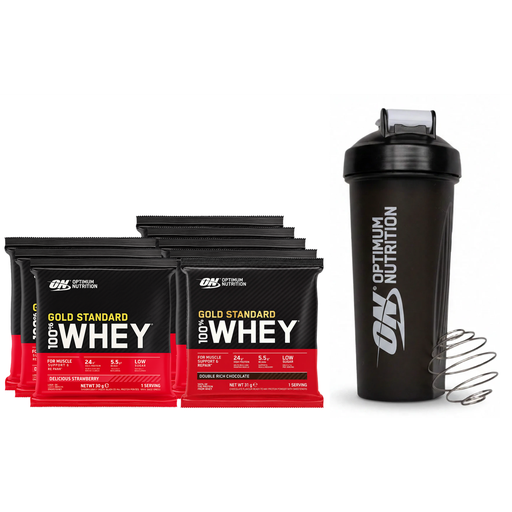
Why it suits this profile: A bundle with individual sachets and a shaker is a handy way to try different flavours without buying a large pack straight away.
The individual servings make it easier to assess the protein content and how much you use per shake before buying a larger size.
Around 24 to 25 grams of protein per serving according to the product information, plus a shaker for home, the gym or on the go.
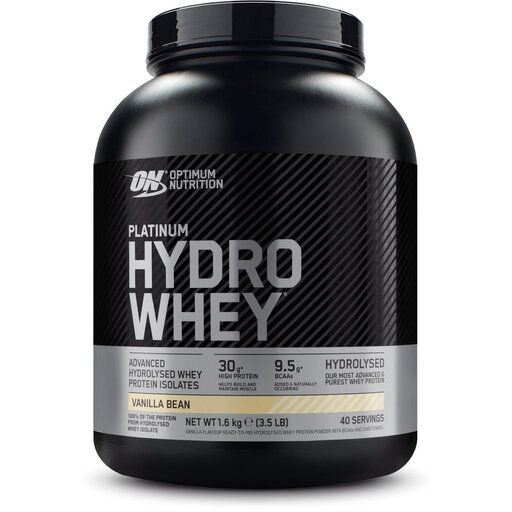
Why it suits this profile: This variety is intended for adults looking for a concentrated whey source with clear nutritional information per serving.
The nutritional information shows 30 grams of protein in a 40-gram serving, so there’s no need to estimate the protein percentage.
Hydrolysed whey protein isolate as the main ingredient; around 142 kcal and 30 grams of protein per serving.
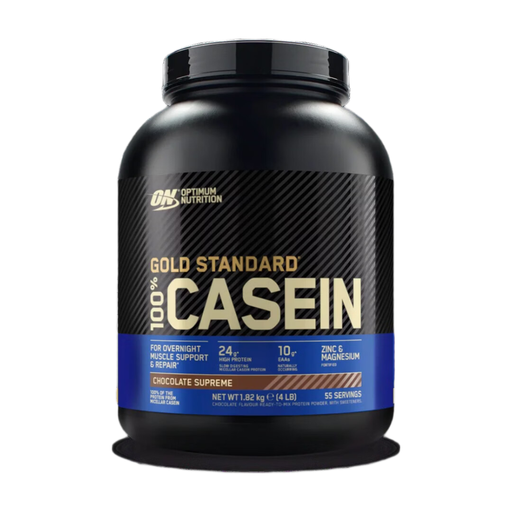
Why it suits this profile: Casein is a good fit for athletes who want to plan their protein intake between meals or before bed.
The product description specifies micellar casein and 24 grams of protein per serving, making it clearly different from a fast-digesting whey shake.
This is a large 1,820-gram pack with around 55 servings; it can be mixed with water or milk.
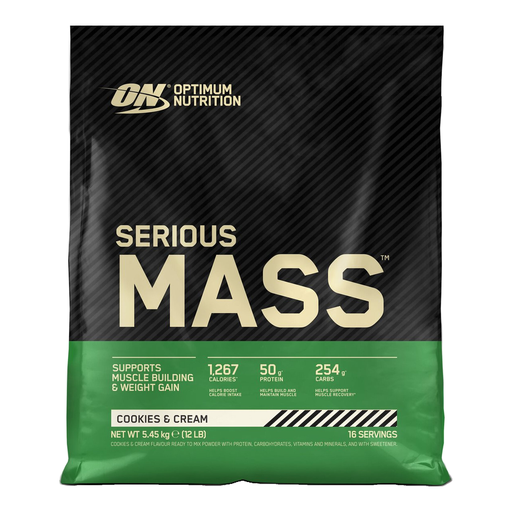
Why it suits this profile: Suitable for adults who find it difficult to get enough calories from regular meals and want a large supply.
The product clearly lists the large serving size, calorie content and number of servings. This makes it clear from the outset that it isn’t a light protein shake.
50 grams of protein, around 250 grams of carbohydrates and approximately 1,269 to 1,292 kcal per serving according to the product details.
We’ve put together a complete, up-to-date list of products that meet these strict selection criteria and the applicable European safety regulations.
Both can be part of your diet. Whey is often chosen because it’s easy to prepare and relatively light. Casein has a thicker texture and is more often used before bed or between meals. Focus on your overall protein intake, flavour preferences and digestion.
That depends on your diet, body weight, training load and goal. Use the serving size on the label as a starting point, and count the protein you get from meals too. A mass gainer contains plenty of calories as well as protein, so don’t automatically use it in the same way as whey protein powder.
Yes. A bundle with a shaker and individual sachets is practical for work, travel or the gym. Add cold water or milk according to the product instructions. Don’t use hot or carbonated drinks in a shaker, and clean it thoroughly after use.
