
Vandaag of morgen in huis

Kwaliteit gegarandeerd

Welkomstaanbiedingen ontgrendelen: GRATIS bezorging | Tot 80% korting | Gratis 30 dagen JoyPlus-proefperiode
Download de app
A tub of Optimum Nutrition Gold Standard Whey Protein may seem straightforward to choose at first glance. However, flavours, pack sizes and nutritional values vary between versions. If you focus only on eye-catching packaging or a claim such as “rapid absorption”, you could end up paying more for a product that does not suit the way you use it.
Pay particular attention to these three common pitfalls:
Gold Standard 100% Whey uses a blend of whey isolate, whey concentrate and hydrolysed whey proteins. Whey isolate generally contains a relatively high proportion of protein compared with fat and carbohydrates. Whey concentrate can provide a different nutritional profile and texture. The combination is therefore more relevant than the name on the front of the pack alone.
The versions mentioned generally contain around 24 g of protein per serving. Some strawberry versions list approximately 25 g per serving. Always check the nutrition table for the exact flavour and pack size you want to order.
The permitted European claim is clear: protein contributes to the growth and maintenance of muscle mass. This makes protein powder suitable as a supplement to your daily protein intake, but it does not replace a varied diet.
A “low-sugar whey protein” is not automatically sugar-free. Depending on the version, the product details list approximately 0.3 to 1.3 g of sugar per serving. Fat content also varies. Chocolate flavours, for example, may contain cocoa powder, creamer or additional ingredients.
Also pay attention to the serving size. According to the product information, one scoop is approximately 30 to 32 g. Nutritional values per serving can only be compared accurately when you assess the same quantity of powder. So do not look solely at the percentage of protein per 100 g or at a marketing claim on the packaging.
The products contain milk and soya, partly because of the whey proteins and lecithin. According to the product information, some versions may contain traces of peanuts, eggs, gluten and nuts. If you have an allergy or intolerance, check the label on the pack you receive before use. Formulations and labels may change.
Instant powder is designed to be mixed with approximately 180 to 240 ml of cold water or milk. Water usually makes a lighter shake, while milk creates a richer flavour and adds nutrients. A protein shake after exercise is convenient, but you can also use protein powder at another time of day.
The recommendations below are linked to verifiable features such as size, flavour and nutritional value. They are not a ranking; the right choice depends on how often you use it and your personal preferences.
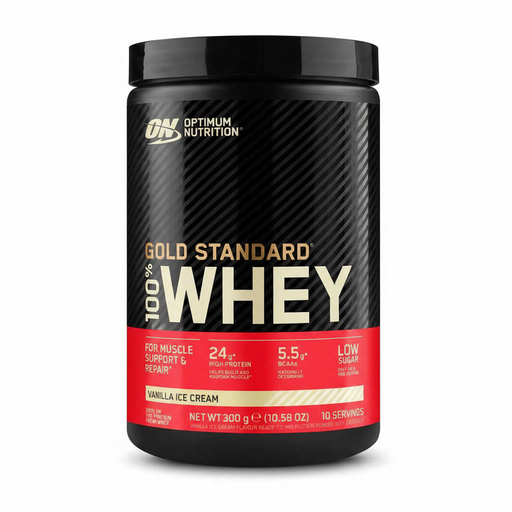
Why it suits this profile: The small pack reduces the risk of being left with a large supply while you are still discovering which flavour suits you.
You can test a flavour and establish a usage routine without immediately buying a large tub. The product information lists approximately 24 g of protein per serving.
300 g pack, vanilla flavour and a blend of whey isolate, concentrate and hydrolysed whey.
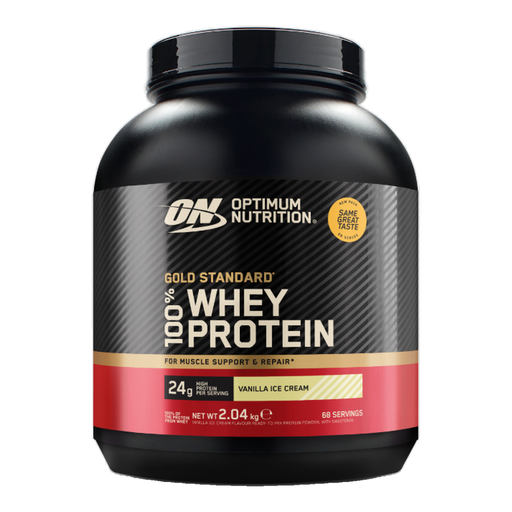
Why it suits this profile: For anyone who uses a shake several times a week, 2.04 kg provides a practical supply without immediately choosing the largest pack.
The nutritional information lists approximately 24 g of protein, 1.2 g of sugar and 1.3 g of fat per scoop. This allows you to include the shake in your daily totals.
Large pack, vanilla flavour and approximately 24 g of protein per serving according to the product details.
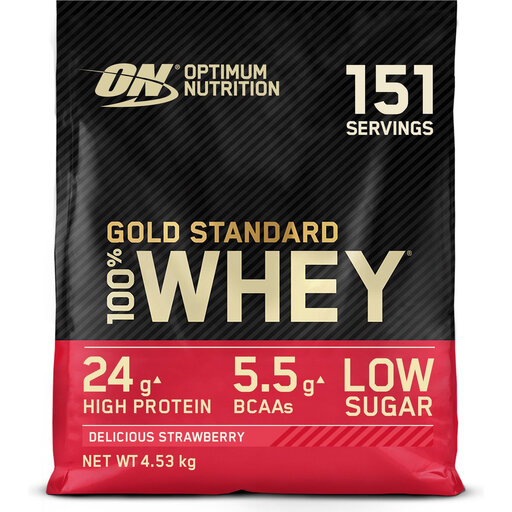
Why it suits this profile: The 4.53 kg pack is aimed at athletes who use protein powder consistently and often have a protein shake after exercising.
The pack size and stated quantity of approximately 151 servings allow you to assess in advance whether the supply matches your usage.
Large supply, strawberry flavour and approximately 25 g of protein per serving with around 1 g of sugar, according to the product information.
We have put together a complete, up-to-date list of products that fully meet these strict selection criteria and the applicable European safety regulations.
Mix one scoop with 180 to 240 ml of cold water or milk. Follow the recommended amount on the label; the product information generally states one to two servings per day, depending on your personal protein requirements. Using more powder does not automatically make a shake more suitable.
Keep the tub tightly closed in a cool, dry place, away from direct sunlight and moisture. To calculate the cost per serving, divide the purchase price by the number of servings. A large pack may offer better value per serving, but only if you use the flavour regularly and finish the product within its shelf life.
BCAAs occur naturally in whey proteins. The product information lists approximately 5 g of BCAA proteins per serving for various versions. Treat this as part of the overall protein composition, rather than a reason to ignore the other nutritional values.
Healthy adults can use whey protein to supplement their daily protein intake, for example after a workout or between meals. The timing is less important than your overall diet. Follow the serving instructions and combine it with a varied diet.
Whey isolate is generally filtered more extensively and often contains a relatively high amount of protein per 100 g. Whey concentrate may contain more fat and lactose. According to the product information, Optimum Nutrition Gold Standard Whey Protein contains a blend of isolate, concentrate and hydrolysed whey. Check the exact nutrition table for each flavour.
This depends on the pack size and how you use it. A 300 g pack contains roughly ten servings when using a 30 g serving. A 2.04 kg pack contains considerably more servings; the 4.53 kg version mentioned lists approximately 151 servings. Divide the total weight by your daily amount to estimate how long it will last.
