
Vandaag of morgen in huis

Kwaliteit gegarandeerd

Welkomstaanbiedingen ontgrendelen: GRATIS bezorging | Tot 80% korting | Gratis 30 dagen JoyPlus-proefperiode
Download de app
A large tub of Optimum Nutrition Gold Standard whey protein may seem easy to choose at first glance. However, flavours, pack sizes and formulations differ in important ways. If you focus only on a prominent claim or low price, you could end up with a protein powder that does not suit the way you plan to use it.
Common pitfalls when buying whey protein include:
Various variants list approximately 24 g of protein per serving of around 30 to 32 grams. Serving size is important when comparing products. So do not look only at “24 g of protein per shake”, but also consider:
For example, the 780-gram Strawberry variant lists 24 g of protein, 1.2 g of sugar and 112 kcal per 30-gram serving. Other flavours containing biscuit or cookie ingredients list approximately 24 g of protein per serving, but may contain more carbohydrates.
Gold Standard 100% Whey is generally a protein powder made from a blend of whey isolate, whey concentrate and hydrolysed whey isolate. The product descriptions state that the blend contains approximately 93 to 98% whey protein, depending on the variant.
A standalone whey isolate may be of interest to anyone primarily looking for lower levels of sugar, fat and carbohydrates. The 930-gram Isolate variants list 25 g of protein per serving of approximately 31 grams, and less than 0.5 g of sugar and fat. Always check the label for your chosen flavour, however, as the ingredients and nutritional values may differ between variants.
A good protein shake should fit easily into your daily routine. According to the product information, the Gold Standard variants are instantised and designed to be mixed with cold water or milk. The recommended amount is usually one scoop with 180 to 240 ml of liquid.
The right pack size depends on how you plan to use it:
Also pay attention to allergens. The products mentioned contain milk and soya. According to the product information, some variants may contain traces of peanuts, egg, gluten or nuts. Anyone with an allergy or intolerance should check the current label before buying.

Why it suits this profile: The 2.04 kg pack provides plenty of servings for anyone who uses protein shakes regularly and does not want to keep buying small tubs. The product information lists approximately 24 g of protein per serving.
You do not have to choose the largest pack straight away. First compare the serving size, nutritional values and ingredients of this flavour with your daily requirements.
2.04 kg contents; approximately 24 g of protein per serving; blend with whey isolate, concentrate and hydrolysed whey isolate.
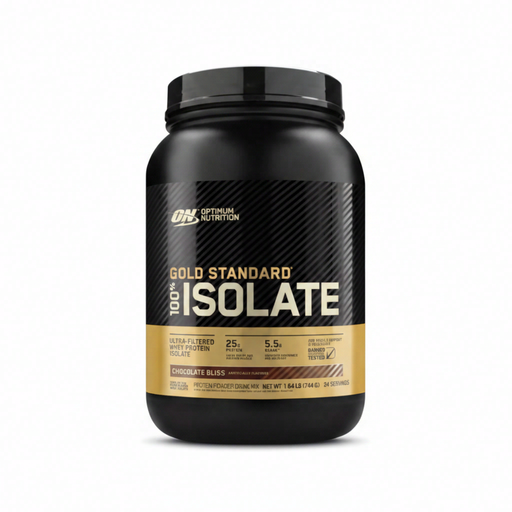
Why it suits this profile: This isolate variant is aimed at athletes who want to combine a high protein content per serving with low listed levels of sugar and fat.
The product information identifies whey isolate as the formula rather than a broad blend. Before buying, check the current packaging and flavour variant.
25 g of protein per serving; 930 g contents; according to the product information, less than 0.5 g of sugar and fat per serving.
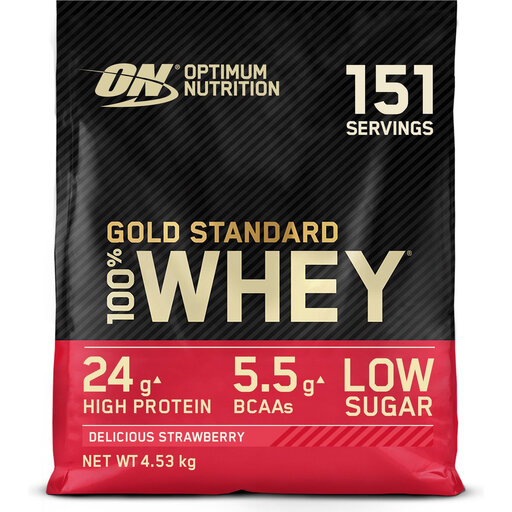
Why it suits this profile: The small pack is practical for athletes who want to try a new flavour, are travelling or only occasionally have a post-workout protein shake.
You reduce the risk of waste if you are not yet sure whether Vanilla Ice Cream is right for you. The product information lists approximately 24 g of protein per serving.
300 g pack; approximately 24 g of protein per scoop; suitable for mixing with cold water or milk.
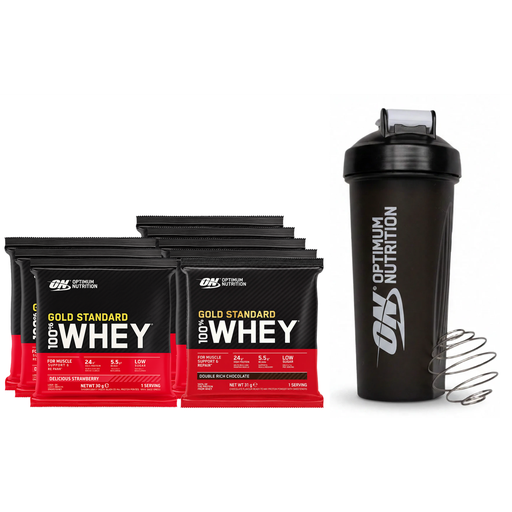
Why it suits this profile: This bundle combines seven servings with a shaker, making it useful on the go, at the office or at the gym.
The sachets prevent you from buying a large tub for a single flavour. Use the shaker only with cold, non-carbonated drinks.
Seven individual servings; approximately 24 to 25 g of protein per serving; shaker included.
We have put together a complete, up-to-date list of products that fully meet these strict selection criteria and the applicable European safety regulations.
Mix one scoop according to the label with cold water or milk. Most of the variants mentioned recommend 180 to 240 ml of liquid. A protein shake can be used after exercise, but also at another time of day when you need extra protein. The exact timing is less important than your overall daily diet.
Follow the recommended amount. Several product descriptions state one to two servings per day. A supplement does not replace a varied diet. If you are pregnant, breastfeeding, taking medication or have an existing kidney or liver condition, it is advisable to consult a doctor. Stop if you experience discomfort and always check the current label.
Under the authorised European health claim, protein contributes to the growth and maintenance of muscle mass. The product can therefore help supplement your protein intake as part of a varied diet and training plan. It does not replace strength training, sufficient energy or recovery.
Whey protein can be a blend of isolate, concentrate and hydrolysed whey isolate. Whey isolate is a more concentrated form of whey protein. The Isolate variants mentioned list 25 g of protein per serving and low listed levels of sugar and fat. Always compare the full nutritional label, as values may differ between flavours.
This depends on the contents and the number of servings you have per day. According to the product information, a 780-gram tub contains approximately 26 servings at a serving size of 30 grams. A 2.04 kg pack contains approximately 65 to 68 servings at the same dosage. Store the protein powder closed, in a dry place away from direct sunlight, and check the best-before date on the packaging.
