
Vandaag of morgen in huis

Kwaliteit gegarandeerd

Welkomstaanbiedingen ontgrendelen: GRATIS bezorging | Tot 80% korting | Gratis 30 dagen JoyPlus-proefperiode
Download de app
If you’re looking for Optimum Nutrition Gold Standard Whey Protein, you’ll probably want a quick and easy way to add extra protein to your daily diet. However, the different options vary in serving size, protein content, ingredients and convenience. A large pack isn’t automatically better value, and a product labelled “isolate” won’t necessarily suit every athlete’s daily routine.
This buying guide helps you separate marketing claims from verifiable product information. That way, you can choose a whey protein powder that fits your training, diet and budget.
A tub weighing over two kilograms may seem better value than a smaller pack. However, check the number of servings and the amount of protein per serving too. A larger tub is most practical if you regularly have a protein shake after exercise. If you’re a beginner or want to try a flavour first, a smaller pack or sachet may be a wiser choice.
Whey isolate is a specific type of whey protein. According to the product information, the standard Gold Standard options contain a blend of whey isolate, whey concentrate and hydrolysed whey proteins. An isolate option is made mainly from whey protein isolate and generally contains less carbohydrate and fat per serving.
That doesn’t automatically mean a blend is unsuitable. Focus on the protein content, nutritional values and ingredients list.
Whey naturally contains amino acids, including BCAAs. Product information may specify the amount, but BCAA proteins are no substitute for a varied diet. The EU-approved health claims framework states that protein contributes to the growth and maintenance of muscle mass, as part of a varied diet and healthy lifestyle. The product is not a medicine and does not replace a meal.
The Gold Standard options in the range provide around 24 to 25 grams of protein per serving. The exact serving size varies by flavour and pack, so always check the label rather than relying on the product name alone.
If you need extra protein every day, the number of servings per pack is a useful point of comparison. According to the product information, a 780-gram tub contains around 26 servings; a 930-gram pack of the isolate option contains 31 servings.
Check the ingredients:
If you’re specifically looking for a protein powder to use after training, you can choose based on protein per serving, flavour, mixability and nutritional values. The exact timing matters less than your total protein intake and overall diet.
The Gold Standard products listed contain milk and soya. According to the packaging, some options may also contain traces of gluten, egg, peanuts or nuts. If you have an allergy, always check the current label.
Depending on the flavour, sweeteners such as sucralose and acesulfame-K are used. Cookies & Cream may also contain ingredients such as wheat and milk derivatives. If you follow a particular diet, compare the ingredients lists.

Why it suits this profile: The 300-gram pack is a manageable size if you’re trying protein powder for the first time or want to sample a flavour without committing to a large supply.
You don’t have to go straight for a large pack. Just be sure to check the serving size and nutritional values on the label; according to the product information, this option provides around 24 g of protein per serving.
300 g pack, vanilla ice cream flavour and around 24 g of protein per serving; mix with 180–240 ml of water or milk according to the product instructions.

Why it suits this profile: This option is designed for athletes who specifically want an isolate formula and are looking for relatively little carbohydrate and fat per serving.
The product information lists whey protein isolate as an ingredient and gives specific nutritional values: 25 g of protein, less than 1 g of carbohydrate and less than 0.5 g of fat per serving.
930 g pack, 31 servings and vanilla flavour; the recommended amount to mix is 250–350 ml of water or milk per scoop.
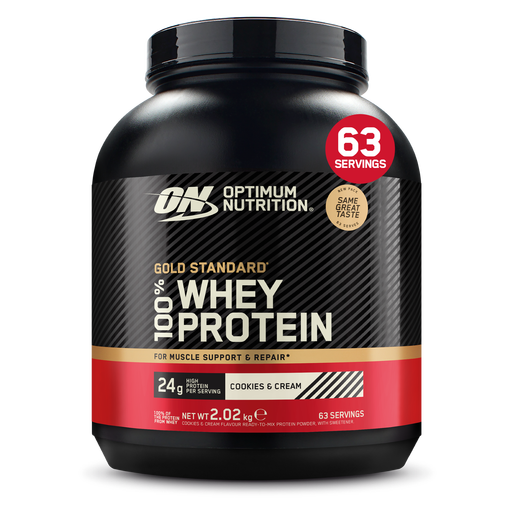
Why it suits this profile: The large pack is a good fit for athletes who train several times a week and regularly use a protein shake or protein powder.
You can assess the value per serving based on around 24 g of protein per scoop and approximately 65 servings. However, check first that Cookies & Cream suits your allergen requirements and taste preferences.
2.02 kg pack, a blend of whey isolate, concentrate and peptides; around 130 kcal and 24 g of protein per serving according to the product information.
We’ve put together a complete, up-to-date list of products that meet these strict selection criteria and comply with current European safety regulations.
Mix the recommended amount with water or milk according to the label. A shaker is handy when you’re out and about, while a blender can be useful if you’re combining the powder with fruit or porridge oats. Have a whey shake after exercise or between meals when you want to add extra protein; it isn’t a complete meal replacement.
Keep the pack tightly closed in a cool, dry place, away from direct sunlight and out of the reach of young children. Check the use-by date, batch information and current instructions on the packaging. If you have a medical condition, take medication, are pregnant or breastfeeding, it’s sensible to speak to a doctor.
According to the EU-approved health claims framework, protein contributes to the growth and maintenance of muscle mass. The effect is linked to your overall diet and training programme. These products are intended to supplement your diet, not replace a varied one.
The shelf life is shown on the packaging. Once opened, the powder stays in the best condition when stored in a dry, cool place with the tub tightly closed. Always follow the current information on the label and check the powder for changes in smell, colour or texture.
That depends on your preferences and nutritional goals. An isolate option may be appealing if you want less carbohydrate and fat per serving. A whey blend may be more practical if price, flavour and a wider choice of pack sizes are your priorities. Compare the nutritional values per serving and per 100 grams before you decide.
