
Keeping hummus for weekend lunch
You want to keep opened hummus until lunch and first check whether your current fridge reaches the recommended 4 °C, as advised by the Netherlands Nutrition Centre.


Keep opened hummus in your current fridge if there’s enough room and a fridge thermometer reads 4 °C; don’t buy an extra fridge just for one tub. The Netherlands Nutrition Centre recommends keeping plain hummus in the fridge for 1–3 days if homemade and 5–10 days if shop-bought. Check the packaging too, and note when the hummus was opened. If you do need a new fridge, choose one that fits your available space and the amount of food you want to chill, then compare the layout and stated annual energy consumption.
You want to keep opened hummus until lunch and first check whether your current fridge reaches the recommended 4 °C, as advised by the Netherlands Nutrition Centre.
You’re short on space and want to know whether a compact freestanding fridge will fit. Compare its external dimensions with the chilled storage you need; Beko and Inventum publish these details for the models mentioned here.
As well as space for hummus, you want enough room for your everyday groceries and need to factor in the stated energy consumption. Milieu Centraal discusses the trade-off between one larger appliance and a second fridge.
For one tub of hummus, it makes sense to check the temperature and available space in your current fridge first. If you need a replacement, let your kitchen space, the chilled capacity you need and any built-in housing determine your choice.
Choose this when: there’s enough room and a thermometer reads 4 °C.
Consider: measure the temperature and seal the packaging properly; the selected setting doesn’t tell you the actual temperature.
Choose this when: you need a fridge, have limited space and mainly want chilled storage.
Consider: a compact exterior can mean less chilled storage; an extra fridge uses electricity while it’s switched on.
Choose this when: you also need more chilled storage for your everyday groceries.
Consider: compare the available space and stated annual energy consumption; don’t choose a larger size just for one tub of hummus.
Choose this when: the fridge needs to fit into an existing kitchen housing and behind a cabinet door.
Consider: check the housing dimensions and door fixing; a built-in fridge doesn’t change the advice on storing hummus.
| Buying concern | What to check before buying | Who it matters to |
|---|---|---|
| Reliable cooling | Check the temperature setting and use a fridge thermometer to see whether the fridge reaches 4 °C. | If I want to keep opened hummus, I want to know whether the fridge is actually cold enough. Reliable cooling is the main buying concern for around 36% of consumers. |
| A suitable compact size | Measure the available space and compare the external dimensions with the chilled capacity; also consider whether you need a freezer compartment. | If my kitchen has limited space, I want enough room for chilled food without choosing an appliance that won’t fit. A compact size is the main consideration for around 29% of consumers. |
| Energy consumption | Compare the energy label and stated kWh per year of models with a suitable capacity. | I want to know the stated annual energy consumption of a fridge that’s left on all the time, especially if it’s an extra appliance. Energy consumption is the main buying concern for around 21% of consumers. |
| Built-in fit | Check the required housing dimensions and door-fixing type for the specific model. | If my new fridge needs to fit into an existing kitchen housing, I want to make sure the dimensions and door fixing are right. A suitable built-in fit is the deciding factor for around 14% of consumers. |
For one opened pack, the main thing is whether your current fridge reaches the recommended temperature. A second fridge that’s left on all the time adds to your energy use.
Measure the temperature first and work out how much extra chilled storage you really need.
The selected setting doesn’t tell you what temperature the hummus is actually kept at.
The Netherlands Nutrition Centre recommends 4 °C and checking the temperature with a fridge thermometer.
Liebherr describes EasyFresh as a drawer for unpackaged fruit and vegetables; Bosch describes SuperCooling as a fridge function. Neither description supports a longer storage life for hummus.
Base the storage time on the type of hummus, its packaging and proper refrigeration, not on the name of a fridge feature.
A built-in model needs to fit the housing and the cabinet door fixing.
Before buying, compare the specific model’s housing dimensions and door fixing with your kitchen.
These models show a range of sizes and installation types. Manufacturer specifications can help you compare models, but on their own they say nothing about keeping hummus for longer.
The Inventum KK550S is a freestanding compact fridge without a freezer compartment. Inventum lists a width of 55 cm and a chilled capacity of 131 l.
The Beko LS9052WN is a freestanding compact fridge without a freezer compartment. Beko lists a width of 48 cm and a chilled capacity of 88 l.
The freestanding Bosch KSV33VLEP is a larger fridge for anyone who also wants to chill everyday groceries.
The Liebherr IRd 5100 Pure is an example of a built-in model designed for existing kitchen housing and a cabinet door.
This selection at Joybuy includes compact freestanding fridges, fridge-freezers and built-in models. Check which chilled capacity and installation type will suit your kitchen.
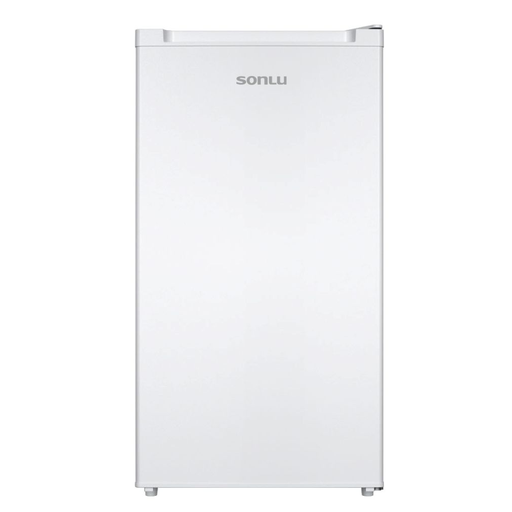
 No image available
A compact option if you’d like a separate freezer compartment as well as chilled storage.
The product title lists a total capacity of 109 l and energy rating C; the product description gives a chilled capacity of 95 l, two glass shelves and a separate freezer compartment.
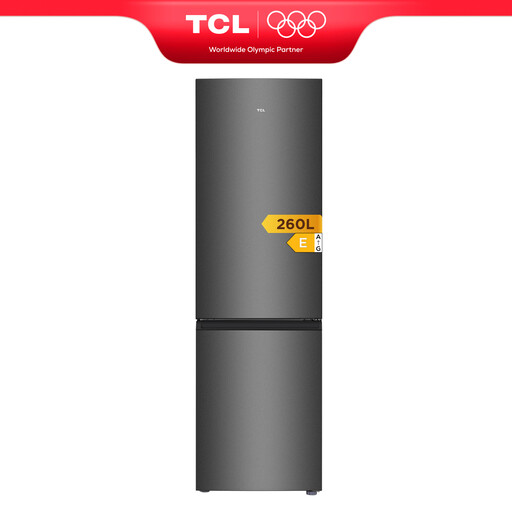
 No image available
A freestanding compact fridge for anyone looking for a small model without a freezer compartment.
The product description lists mechanical temperature control and adjustable glass shelves; the product title gives an energy rating of E.
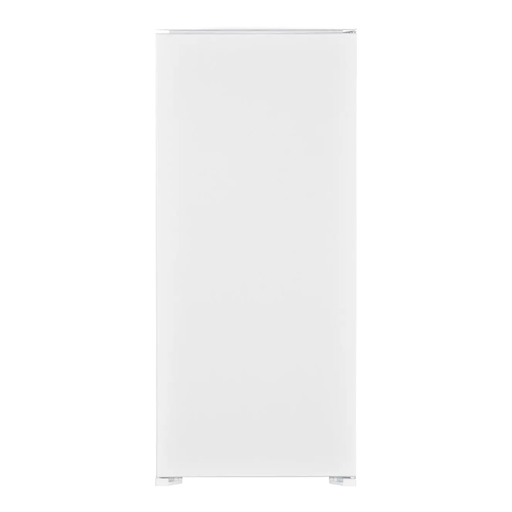
 No image available
An option if you need a separate freezer section as well as chilled storage.
The product title lists a width of 55 cm, energy rating E, a Fresh Zone and a reversible door. The product description also mentions adjustable feet.
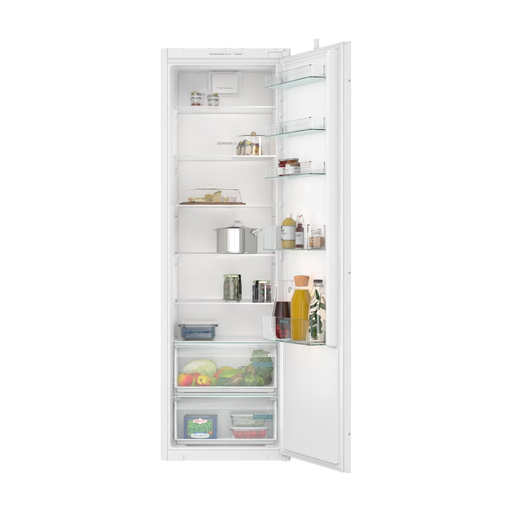
 No image available
A built-in option if your fridge needs to fit into suitable kitchen housing.
The product title lists a width of 54 cm, a white finish and energy rating E. The product description mentions a temperature control, shelves and door compartments; check the housing and installation requirements for your kitchen.
 No image available
A built-in option if you’re looking for an integrated fridge with room for everyday groceries.
The product description lists a capacity of 310 l, digital temperature control and seven shelves. The product title gives a height of 80 cm; check the appliance dimensions and housing measurements before buying.
The Netherlands Nutrition Centre recommends keeping plain hummus in the fridge for 1–3 days if it’s homemade and 5–10 days if it’s shop-bought. Check which product you have, when it was opened and the instructions on the packaging; don’t assume the same storage time applies to all hummus.
The Netherlands Nutrition Centre recommends a temperature of 4 °C and checking it with a fridge thermometer. Follow the thermometer’s instructions, leave it in the middle of the bottom shelf for half a day or overnight, and adjust the fridge if the reading is too high.
Yes. Seal the packaging properly or use a food storage container, as recommended by Milieu Centraal. This doesn’t replace proper refrigeration or automatically extend the storage time.
Compare the EU energy label and stated consumption in kWh per year for models with a suitable capacity. Manufacturer figures for appliances of different sizes aren’t like-for-like measurements of cooling performance or energy use in your home.
Yes. According to ACM ConsuWijzer, your statutory rights are separate from the manufacturer’s warranty. If a fridge breaks down during normal use sooner than you could reasonably expect, the retailer is responsible for providing an appropriate remedy free of charge; there isn’t one fixed statutory warranty period for every fridge.