
Vandaag of morgen in huis

Kwaliteit gegarandeerd

Welkomstaanbiedingen ontgrendelen: GRATIS bezorging | Tot 80% korting | Gratis 30 dagen JoyPlus-proefperiode
Download de app
Want to listen to music while running, cycling, travelling or working without completely shutting out your surroundings? Open-ear wireless earbuds could be a practical choice. They sit on or beside your ears, so you can generally still hear the sounds around you.
Even so, it can be hard to compare the options. Manufacturers use terms such as “9D sound”, “zero latency” and “noise cancelling”, but what they mean in practice varies from one model to another. Focus instead on the wearing style, battery details and water resistance.
“Up to 25 hours” or “up to 28 hours” often refers to total use with a charging case, or listening at a low volume. Check whether the manufacturer distinguishes between listening time per charge and total playback time including the charging case. Features such as noise cancellation, high volume and phone calls can also affect battery life.
Open-ear models let in the sounds around you. That’s useful in the office or on a walk, but it also means that music may sound less prominent on a busy street or train. A brand’s claim about ENC, ANC or wind noise reduction should be understood as a product feature, not a guarantee of complete sound isolation. A brand’s own testing may suggest that certain algorithms can reduce background or wind noise, but results also depend on fit, volume and surroundings.
An IPX4 rating means the product is protected against splashes, such as sweat or light rain. It is not suitable for submersion. On some models, the rating applies only to the earbuds, not the charging case. Always check which parts are protected.
There are several types:
For running and fitness, weight, flexibility and the shape of the hook are often more important than a long list of software features. Lightweight wireless headphones may feel more comfortable over extended periods, but a fit that’s too loose can cause them to shift as you move.
Bluetooth versions such as Bluetooth 5.3, 5.4 or 6.0 mainly indicate the connection technology supported. Also check the stated range, codec support and multipoint functionality. Low latency matters when watching films or gaming. For example, the Lenovo LE302 is advertised with Wireless 6.0 and a feature that, according to the product description, helps synchronise audio and video.
Check these three things:
A model with long battery life is handy for commuting and travelling, but check whether the stated duration is achievable under normal conditions. For sports, water-resistant sports earbuds with a suitable splash-resistance rating are often a more sensible choice than a model with no clear IP information.
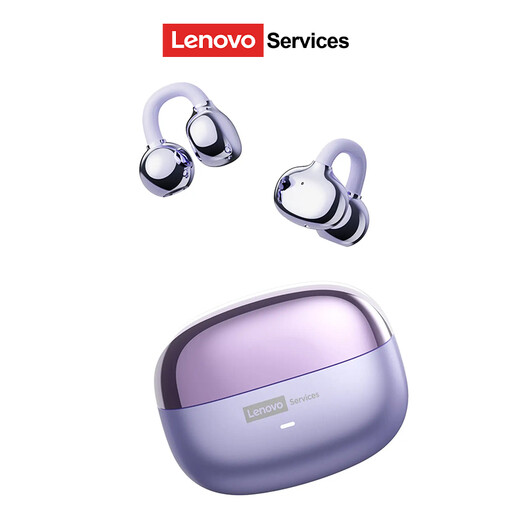
Why it suits this profile: The open-ear design is intended for listening to music, watching videos, working in the office and light exercise. According to the product description, it works with Android, iOS and Windows.
The product information states a battery life of up to 25 hours and specifies the open-ear design, so you don’t have to rely on a vague marketing term alone.
Open design, support for multiple systems and a stated battery life of up to 25 hours.
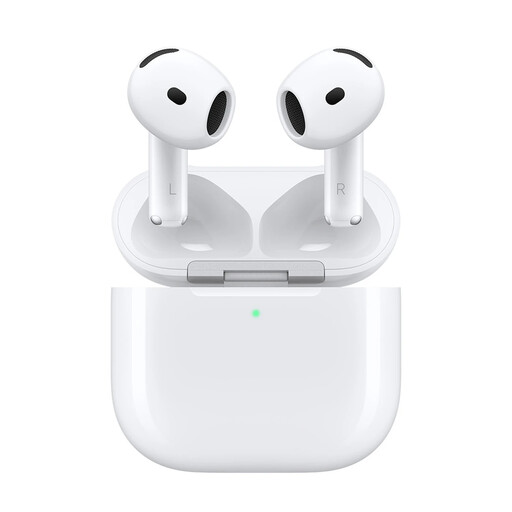
Why it suits this profile: This model is a good fit if you’re staying within the Apple ecosystem and value features such as Adaptive Audio, Transparency mode and personalised spatial audio.
The specifications list listening time with active noise cancellation separately from the USB-C charging case. Be sure to check compatibility with your Apple device.
H2 chip, USB-C charging case and stated support for ANC, Transparency mode and Adaptive Audio.
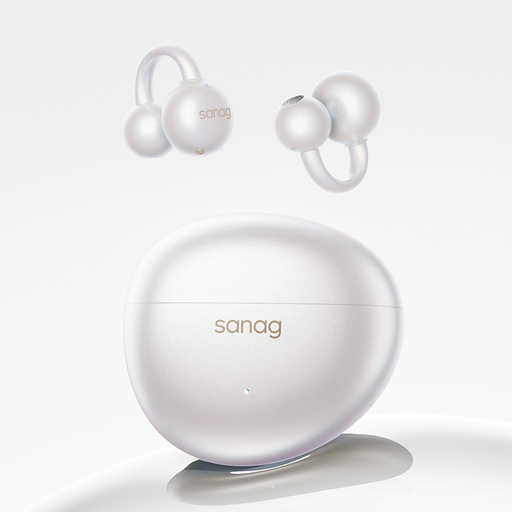
Why it suits this profile: The over-ear bone-conduction design is made for sports where keeping your ear canals clear and staying aware of your surroundings are important.
The product information warns that water resistance does not mean the headphones can be submerged. This makes their limits clearer than a general claim about being suitable for sports.
Bone-conduction design, Bluetooth connectivity and an over-ear fit, with no earbuds in the ear canal.
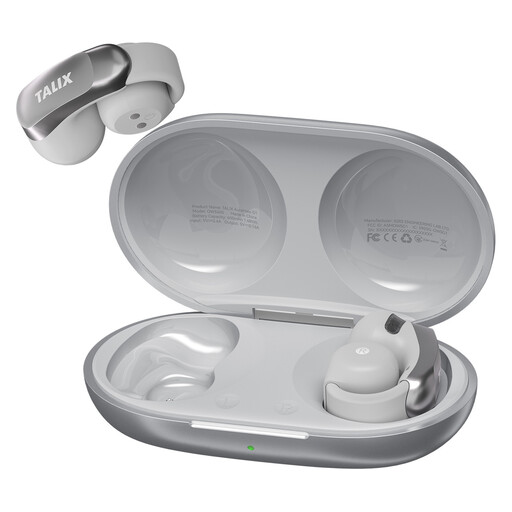
Why it suits this profile: The clip-on design with silicone ear hooks is intended for everyday use, fitness, commuting and online meetings.
The product details list 7 hours per charge, 28 hours with the charging case and an IPX4 rating separately. This makes it easy to assess the battery life and splash-resistance limit.
Bluetooth 5.3, four microphones, fast charging and a stated IPX4 rating.
We’ve put together a complete, up-to-date list of products that meet these strict selection criteria and comply with current European safety regulations.
They can be a good choice if you want to stay aware of the sounds around you. Check their stability, weight and water resistance. Don’t use them in a way that distracts you from traffic. Even with an open design, you still need to watch out for cyclists, cars and warnings.
Battery life per charge varies depending on the model and how you use it. As well as battery capacity, check the stated listening time and the capacity of the charging case. The battery’s overall lifespan depends on charging cycles, heat, use and storage. Ideally, store your earbuds somewhere dry and charge them with a suitable cable.
Some models advertise ENC, ANC or a form of wind noise reduction. However, an open-ear design is intended to let in the sounds around you. Read the product description carefully and don’t expect complete isolation like you’d get from many in-ear earbuds. Keep the volume no higher than necessary and follow the manufacturer’s safety warnings.
