
Vandaag of morgen in huis

Kwaliteit gegarandeerd

Welkomstaanbiedingen ontgrendelen: GRATIS bezorging | Tot 80% korting | Gratis 30 dagen JoyPlus-proefperiode
Download de app
Wireless earbuds are handy for listening to music, making phone calls, travelling, working and exercising. But a long list of features doesn’t automatically mean a model is right for you. A low price might look appealing, for example, but a short battery life, poor fit or unclear water-resistance rating could lead to disappointment later.
In this buying guide from the Joybuy Product Recommendation Officer, we compare the key specifications of Bluetooth earbuds. You’ll find out what to look for in noise-cancelling earbuds, sports earbuds, earbuds with a microphone and open-ear models.
An IPX4 or IPX5 rating doesn’t mean you can submerge the earbuds. IPX4 generally indicates protection against splashes, while IPX5 indicates protection against water jets. The charging case often has a different rating, or may not be water-resistant at all.
Always check:
An IPX5-rated model may be suitable for rain and sweat, but not for swimming.
A claimed long battery life often refers to the total with the charging case, and sometimes applies only with active noise cancellation switched off. Battery life may be shorter with ANC on, at high volumes or when making lots of phone calls.
Look out for the difference between:
A model offering 7 hours per charge may be enough for your commute. For long journeys, a case with a total capacity of 36 to 55 hours may be more practical.
Terms such as “AI noise reduction”, “3D audio” and “real-time translation” sound impressive, but how well they work depends on the software, phone, app and surroundings. Some brands’ product information states that AI translation may work only through a compatible app and internet connection. So check which features are actually supported by your smartphone.
Bluetooth 5.3, 5.4 and 6.0 can offer a stable connection and lower power consumption, but your experience also depends on your phone and the codecs it uses. SBC and AAC are common codecs for everyday listening. If you mainly watch videos or play games, look for a stated low-latency mode.
Multipoint or dual-device connectivity is handy if you regularly switch between a laptop and smartphone. Just check whether both devices can stay connected at the same time.
A larger driver, such as 10 mm or 14.2 mm, doesn’t tell you everything about sound quality. Tuning, fit and the seal in your ear have at least as much influence.
Choose according to how you’ll use them:
Active noise cancellation, or ANC, uses microphones and electronics to reduce ambient noise. The results vary from person to person and between environments. Low, constant sounds such as train or aircraft engines are often easier to reduce than voices.
For calls, the number of microphones and the noise-cancellation technology used are relevant. A product page might, for example, list six microphones and AI noise reduction. These are product specifications, not a guarantee that every caller will hear your voice perfectly in every situation.
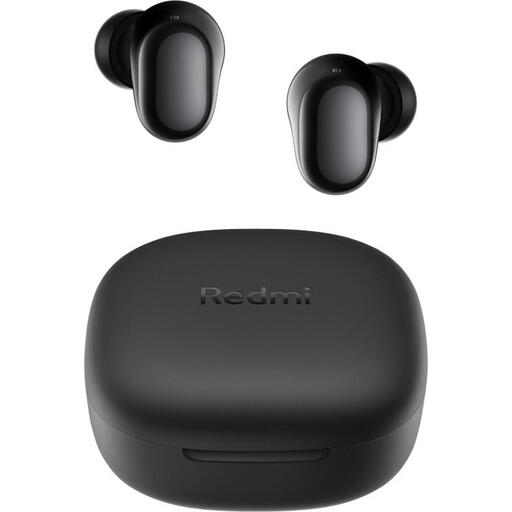
Why it suits this user: A straightforward model for music, podcasts and phone calls, without a long list of extra features.
The specifications list battery life per charge and with the charging case separately. According to the product information, the IPX4 rating applies only to the earbuds, not the case.
Bluetooth 5.4, 7.5 hours of playback per charge, 36 hours with the case and a USB-C port.
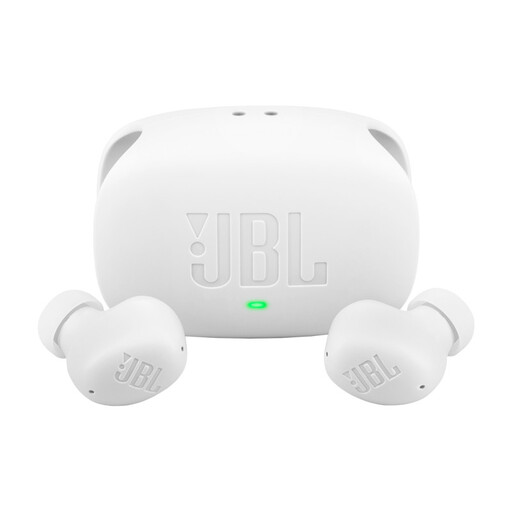
Why it suits this user: Ideal if ANC, app controls and switching between devices matter to you for work, travel and everyday listening.
The stated 40 hours of battery life applies with ANC switched off. This makes it clearer what conditions the battery claim is based on.
Active Noise Cancelling, Smart Ambient, multipoint connectivity for two devices and up to 3 hours of extra playback after 10 minutes of charging, according to JBL.
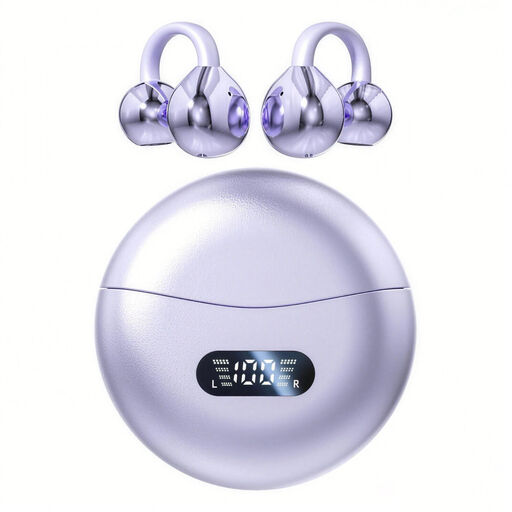
Why it suits this user: An open-ear ear-hook design for sport, travel and calls when you want to stay aware of your surroundings.
The IPX5 rating and open-ear design make this model suited to sweat and staying aware of ambient sounds. The product information does not state that it can be submerged.
Support for AI translation in 140+ languages according to the product description, Bluetooth 5.4, around 6 hours per charge and 24 hours with the case.
We’ve put together a complete, up-to-date list of products that meet these strict selection criteria and the applicable European safety regulations.
Open your smartphone’s Bluetooth settings, charge the earbuds and take them out of the case. Select the product name from the list of available devices. If they won’t pair, remove any previous connection, put the earbuds back in the case and try again. For models with translation, also check the accompanying app and its permissions.
Battery capacity gradually decreases with charging cycles and operating temperature. Don’t leave the case for long periods in extreme heat or cold, and use certified charging accessories. A model with fast charging can be handy if you often forget to charge your earbuds. You usually only need to replace them when the playback time or connection no longer meets your needs.
Take care. ANC can reduce ambient noise and warning signals. When cycling or in traffic, it’s best to use transparency mode or open-ear earbuds, and keep the volume low. No model is a substitute for paying attention to traffic.
