
Vandaag of morgen in huis

Kwaliteit gegarandeerd

Welkomstaanbiedingen ontgrendelen: GRATIS bezorging | Tot 80% korting | Gratis 30 dagen JoyPlus-proefperiode
Download de app
Open-ear sports headphones let you listen to music, podcasts or phone calls without completely blocking your ear canal. This can be useful when exercising or travelling, as you can remain more aware of your surroundings. However, not every model described as “open-ear” works in the same way. Some use bone conduction, while others rest on the outer ear with a speaker positioned beside the ear.
The key question is therefore not which model has the longest list of features, but which design suits the way you use it. Pay particular attention to these three common pitfalls.
Marketing copy may describe headphones as waterproof when they are only suitable for sweat or light rain. The IP rating provides a more reliable indication. IPX4, for example, is intended to protect against splashing, while IPX5 indicates protection against water jets. A higher rating does not automatically mean that you can use the product in every type of water.
Also check the instructions. Salt water and chlorine can damage charging contacts and materials. Rinse sports headphones with fresh water after swimming and only charge them once the connections are completely dry.
“Up to 30 hours” often refers to the combined capacity of the earbuds and charging case. The earbuds themselves may, for example, offer 7 or 8 hours of playback. Volume, phone calls and Bluetooth settings all affect the actual result.
For commuting and short training sessions, 8 hours may be sufficient. For long bike rides, races or several days without charging, a model with a charging case or built-in memory is more practical.
Comfortable headphones should stay in place while you move, without constantly pressing on your ear or temple. An ear hook, neckband or lightly clamping frame can improve stability. With open-ear earbuds, it is worth checking how the weight is distributed.
Bone conduction headphones usually make contact with the area in front of or beside the ear. An open-ear model with an ear hook, on the other hand, uses a speaker positioned next to the ear canal. The fit and listening experience are therefore noticeably different.
An open design can be practical for running in a busy area. When cycling or taking part in traffic, always follow local traffic regulations and safety instructions. Manufacturers warn with several models not to use headphones when you need to pay full attention to your surroundings.
Use the IP rating as your first filter:
Headphones for swimming must also have a suitable swimming mode or built-in memory. Bluetooth does not work underwater in the same way as it does in air. The product listing for a model may therefore refer to MP3 storage rather than continuous streaming.
Bluetooth 5.3 or 5.4 is available on several models in the range, but a higher version number alone does not guarantee better sound. Check compatibility with your phone, the connection range and the controls in particular.
If you make frequent calls, a headset with a microphone can be useful. The number of microphones is a verifiable specification: the Soundcore Liberty 4 Pro has six microphones according to its product specifications, while the AeroFit 2 lists two microphones. This does not automatically indicate how calls will sound on every street; wind, traffic and the phone connection also play a part.
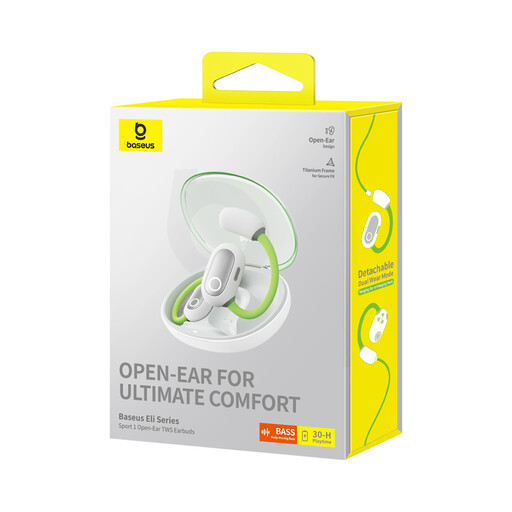
Why it suits this profile: This model has an open-ear design, Bluetooth 5.3 and a stated playback time of approximately 7 to 8 hours per charge. That makes it suitable for short training sessions, walking and everyday use.
The product details do not mention a waterproof housing. This makes it clear that you should not choose this model for swimming.
Open-ear design, USB-C charging port and approximately 30 hours of total playback with the charging case at 70% volume, according to Baseus.
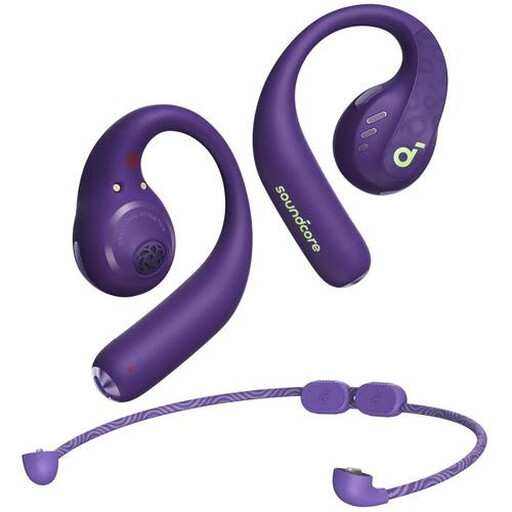
Why it suits this profile: The ear hook, Bluetooth 5.3 and physical button controls are designed for sport and everyday use. The stated playback time is up to 14 hours.
The IPX5 rating makes the limits clear: suitable for sweat and rain according to the product details, but not for swimming.
Ear hook design, AAC, LDAC and SBC profiles, IPX5 and up to 14 hours of continuous audio according to the listed specifications.

Why it suits this profile: According to the product listing, this bone conduction model combines an open design with IP68, 32 GB of built-in storage and use for running, swimming, cycling and fitness.
Built-in memory is important for swimming because Bluetooth streaming is limited underwater. Rinse the model after use and dry the charging contacts.
IP68 rating and 32 GB of storage according to the product details; suitable for carrying music with you without your phone.
We have put together a complete, up-to-date list of products that fully meet these strict selection criteria and the applicable European safety regulations.
That depends on the fit, volume and environment. An ear hook or bone conduction frame can remain stable while you move. Open-ear does not automatically mean that you can hear all surrounding sounds safely. Keep the volume low and take extra care near roads, junctions and busy cycle paths.
Only if the IP rating and instructions support it. A model with IPX4 or IPX5 is not intended for immersion. For swimming, a suitable water-resistance rating and often built-in MP3 memory are important. Never charge a wet device immediately.
The stated playback time varies by model. The range includes models offering approximately 7 to 8 hours, 10 hours or up to 14 hours of continuous audio. A charging case can extend the total usage time. Bear in mind that calls, high volume and features such as noise cancellation can drain the battery more quickly.
Wipe away sweat and dirt after every workout using a soft, dry cloth. Store the earbuds in the charging case and keep magnetic or USB-C contacts dry. Do not use harsh cleaning products and always follow the manufacturer’s safety instructions.
