
Vandaag of morgen in huis

Kwaliteit gegarandeerd

Welkomstaanbiedingen ontgrendelen: GRATIS bezorging | Tot 80% korting | Gratis 30 dagen JoyPlus-proefperiode
Download de app
Open-ear headphones do not block the ear canal. This makes them appealing to runners, cyclists and fitness enthusiasts who want to listen to music or podcasts while staying aware of their surroundings. However, many models look similar in online shops. A high IP rating, long battery life or smart AI feature does not tell the whole story.
Pay particular attention to these three common pitfalls:
Open-ear Bluetooth headphones generally use small speakers positioned in front of or above the ear. The ear canal remains unobstructed. With bone conduction headphones, the transducers usually rest against the cheekbones and deliver sound through vibrations. The fit and listening experience vary from model to model.
Both designs can help you stay aware of your surroundings, but they do not automatically make you safe in traffic. Do not turn the volume up so high that you can no longer hear traffic, alarms or other warnings. You should also follow Dutch traffic regulations and avoid using headphones when your full attention is required.
The IP code provides information about protection against water and dust. Its meaning depends on the complete rating:
A product with an IP67 or IP68 rating is not automatically a suitable pair of headphones for swimming. Check whether Bluetooth works while swimming and whether the model has internal storage. Bluetooth signals have limited effectiveness underwater. According to the product information, the Mojawa Run Plus models come with 32 GB of storage and are intended for activities including swimming. Rinse a model with fresh water after contact with salt water and only charge it once the charging contacts are dry.
For running headphones, weight, pressure distribution and the way they are secured are more important than a striking design. An ear clip can be comfortable if you do not want earbuds inside the ear canal. A neckband or over-ear construction can provide extra stability during movement, but may be less discreet.
Check the product page for:
Bluetooth headphones with a microphone are useful for phone calls while walking, working or commuting. Two microphones, as found on the Soundcore C40i and AeroFit 2, are verifiable product specifications. However, call quality also depends on wind, network conditions and the position of the microphones.
Also look at:
A wireless sports headset with a charging case is practical for everyday use. For swimming, built-in storage is generally more relevant than a stable Bluetooth connection alone.
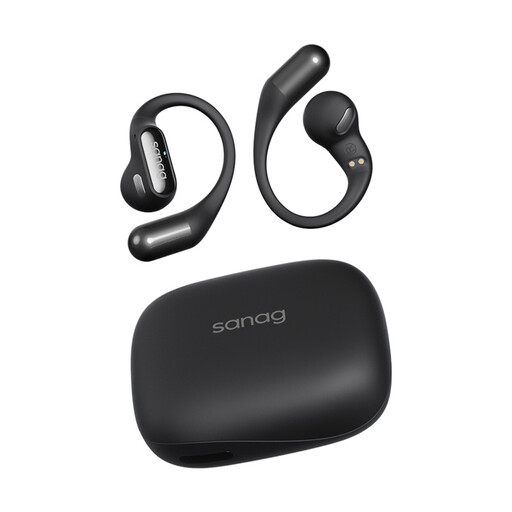
Why it suits this profile: This model is designed for running, cycling, fitness and outdoor use. The open-ear ear hook keeps the ear canal clear, and each earbud weighs approximately 5.6 grams according to the product specifications.
The product specifications state IPX4 and warn against immersion. This makes it clear that the model is not intended to be used as swimming headphones.
Bluetooth 5.3, touch controls, ENC for calls and a charging case. The stated IPX4 rating is suitable for sweat and light rain.
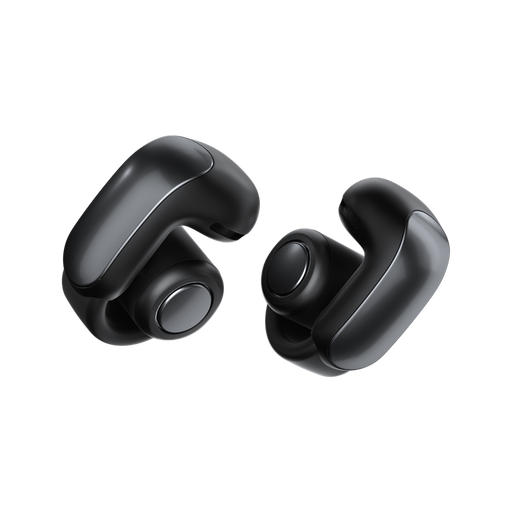
Why it suits this profile: The open positioning is designed for music, calls and everyday use without completely covering the ears. The stated battery life is up to 7 hours of playback.
The product information states IPX4 and advises avoiding damp conditions. This helps prevent you from confusing an everyday model with waterproof sports earbuds.
Bluetooth 5.3, an open design and an included charging case. The manufacturer also states a product weight of 60 grams.
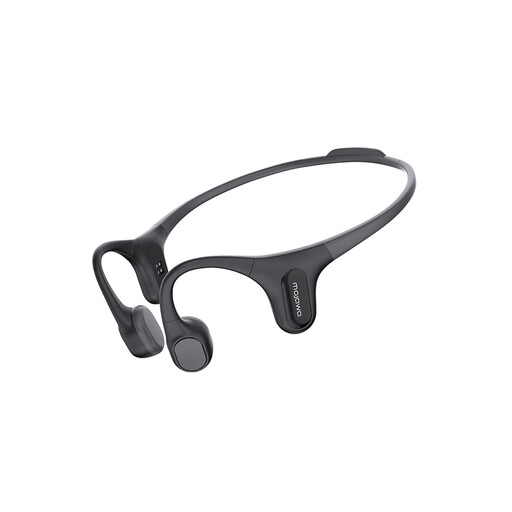
Why it suits this profile: This model combines bone conduction, open-ear Bluetooth and 32 GB of MP3 storage. That is practical when you do not want to rely on a phone connection while swimming or running.
The stated IP68 rating and built-in storage make it better suited to swimming than a model with IPX4 alone. However, always check the manual and water limits before use.
32 GB of storage and an IP68 rating according to the product listing. After swimming, rinse the device with fresh water and allow it to dry completely.
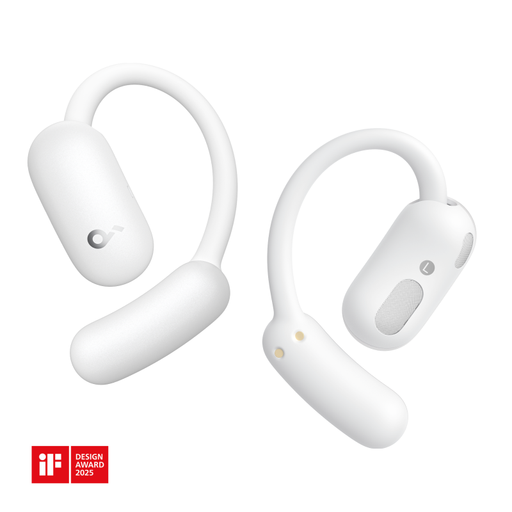
Why it suits this profile: According to the product specifications, the AeroFit 2 is designed for calls, music, sport and everyday use. The open-ear fit and two microphones make it well suited to a varied working and sporting day.
IP55 is more specific than a general claim such as “sports-ready”. According to the stated rating, the model is water- and dust-resistant, but it is not intended for swimming.
Bluetooth 5.4, two microphones, button controls, a charging station and a stated battery capacity of 750 mAh.
We have compiled a complete, up-to-date list of products that fully meet these strict selection criteria and the applicable European safety regulations.
Yes, provided they remain securely in place and the volume is low enough for you to hear traffic and other sounds around you. An open design is no substitute for staying alert. Choose an ear hook or another fastening method that suits your movements.
Not with every model. IPX4 and IP55 models are not designed for immersion. Look specifically for a model with a suitable IP rating and internal storage, such as a model from the Mojawa RunPlus range. Always check the usage conditions for pool water and salt water.
This varies by model, volume, Bluetooth usage and the number of charging cycles. Compare the stated playback time of the headphones themselves with the additional capacity of the charging case. Only charge magnetic contacts when they are clean and completely dry.
