
Vandaag of morgen in huis

Kwaliteit gegarandeerd

Welkomstaanbiedingen ontgrendelen: GRATIS bezorging | Tot 80% korting | Gratis 30 dagen JoyPlus-proefperiode
Download de app
Open-ear headphones leave your ears free while you listen to music, podcasts or phone calls. This can be useful when running, walking, working out or commuting. However, not every model is suited to the same situation. Wireless open-ear headphones for everyday use have different requirements from headphones for swimming or intense training.
With an open design, staying aware of surrounding sounds is an important part of using the headphones. A product title containing “noise-cancelling headphones” could refer to noise reduction during phone calls, sound isolation or a specific listening mode. It does not automatically mean full active noise cancellation for music.
Therefore, check the product information:
According to information provided by some brands, a microphone system can reduce background noise during calls. Treat this as a product specification, not a guarantee for every environment.
An IPX4 or IP55 rating may be suitable for sweat, splashes and light rain, but it does not automatically mean that headphones can be used underwater. For swimming headphones, check whether the manufacturer explicitly mentions swimming and whether the model can play music without a Bluetooth connection.
Bluetooth has limited functionality underwater. A model with MP3 storage or built-in memory is more practical for swimming lengths. The Mojawa RunPlus and Mojawa HaptiFit Terra are listed in the product information with 32 GB of storage and swimming use. Always check the manual, charging contacts and permitted water conditions.
“Lightweight”, “ergonomic” and “comfortable” are often marketing terms. Instead, look at the wearing style, weight and construction. An ear clip can sit comfortably without putting pressure in the ear canal, while bone conduction headphones are worn around or in front of the ear. The fit also depends on your glasses, helmet, ear shape and exercise intensity.
An open-ear model with speakers positioned near the ear directs sound towards the ear canal without blocking it. Bone conduction headphones use contact points against the head and leave the ears free. An ear-clip design hooks around or onto the ear.
For everyday listening and calls, open-ear speakers are often a sensible choice. For running and cycling, a secure fit is particularly important. Look out for:
The first numbers or letters after “IP” indicate protection against dust and water. IPX4 is designed to protect against splashes, while IP55 also provides a stated level of dust protection. Higher water-resistance ratings may be suitable for more intensive contact with water, but only use the headphones according to the manufacturer’s instructions.
After swimming in chlorinated or salt water, rinsing with clean water is advisable if the manual permits this. Never charge a wet device immediately, and make sure magnetic charging contacts are completely dry.
Bluetooth headphones with Bluetooth 5.3 or 5.4 offer a current wireless connection, but battery life still depends on volume, codecs, distance and microphone use. Check whether the stated playback time applies to the headphones themselves or includes the charging case.
For calls, the number and positioning of the microphones are relevant. A model with two or four microphones may appear suitable for calls on paper, but voice clarity varies depending on wind levels and surroundings. Ideally, test the headphones with a short call before using them for important conversations.
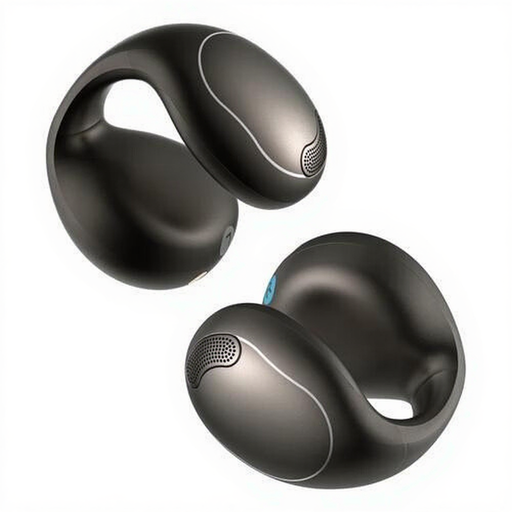
Why it suits this profile: This model is designed for calls, music, sport and everyday use. The open-ear design keeps the ear canal clear, while the controls use physical buttons.
The IPX4 specification makes it clear that these headphones are resistant to sweat and splashes, not suitable for swimming. This helps prevent unrealistic expectations.
Bluetooth 5.4, two microphones, button controls and a stated weight of 60 grams.
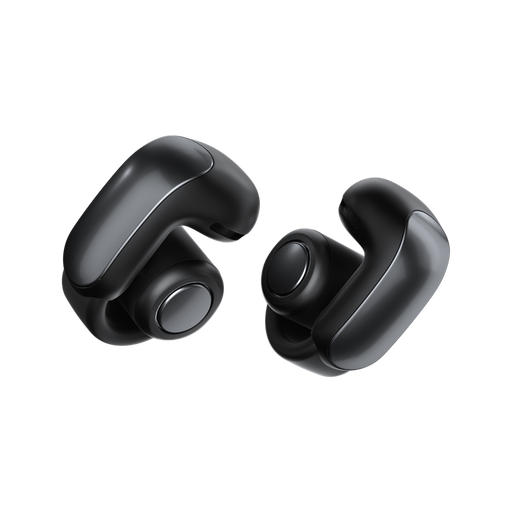
Why it suits this profile: The open design is intended for music and calls while keeping your ears free. This model features Bluetooth 5.3 and a stated battery life of up to 7 hours.
The IPX4 rating clearly defines the intended use. This makes it an unsuitable choice for swimming, but a sensible option for everyday use and light exercise.
Open-ear design, Bluetooth 5.3, IPX4 and charging case included, according to the product information.
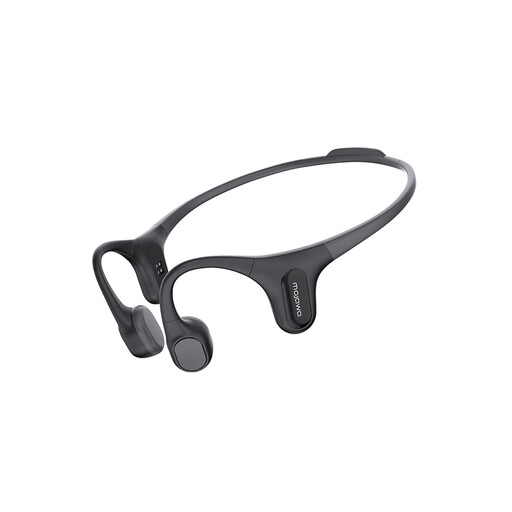
Why it suits this profile: This bone conduction model is designed for sport and swimming. The product information lists 32 GB of MP3 storage and an IP68 rating.
Built-in MP3 storage means you are not completely dependent on Bluetooth while swimming. The charging contacts must be dry before charging.
32 GB of storage, bone conduction design and IP68, according to the product listing.
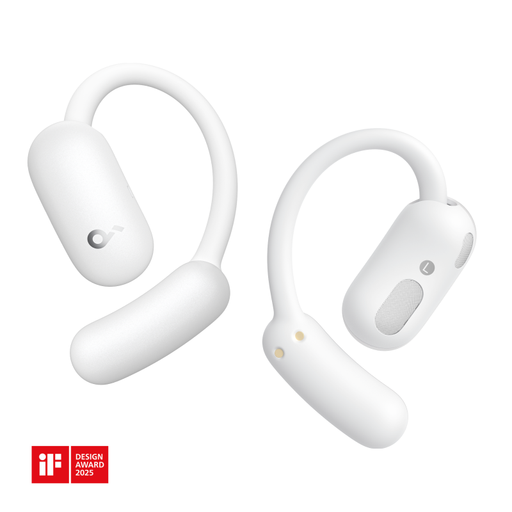
Why it suits this profile: The combination of Bluetooth 5.4, two microphones, button controls and IP55 is well suited to sport, phone calls and everyday use.
The IP55 rating clearly distinguishes it from swimming headphones. This helps you choose the model specifically for sweat, dust and light exposure to water.
Bluetooth 5.4, two microphones, 750 mAh battery and IP55, according to the product specifications.
We have put together a complete, up-to-date list of products that fully meet these strict selection criteria and the applicable European safety regulations.
They can be, especially if you choose a secure ear-clip, ear-hook or bone conduction fit. Your ears remain open, allowing you to hear surrounding sounds. This does not replace staying alert: lower the volume in busy areas and do not use headphones when you need to give traffic your full attention.
A standard Bluetooth connection has limited functionality underwater. For swimming, you therefore need a model specifically designed for this purpose, preferably with MP3 storage. Check the IP rating, swimming mode and instructions regarding fresh, salt and chlorinated water.
Their lifespan depends on charging cycles, volume, sweat, water and storage. Dry and clean the surface regularly, only charge the headphones with suitable accessories, and do not store the device for long periods in heat or damp conditions. A higher IP rating does not mean that every component can withstand water indefinitely.
