
Vandaag of morgen in huis

Kwaliteit gegarandeerd

Welkomstaanbiedingen ontgrendelen: GRATIS bezorging | Tot 80% korting | Gratis 30 dagen JoyPlus-proefperiode
Download de app
Open-ear headphones let you listen to music, podcasts or phone calls without completely blocking your ear canals. They’re useful when running, cycling, walking or working in the office. You can still hear your surroundings, but choosing the right pair takes some thought. A lightweight model with impressive specifications on screen won’t necessarily suit your sport or daily routine.
An IP rating indicates protection against dust and water, but it doesn’t mean every component is suitable for swimming in all conditions. Always check:
For the REDMI Buds 8 Active, the product information states that the IP54 rating applies only to the earbuds; the charging case is not protected against splashes or immersion. A model with IPX4 is mainly designed to withstand sweat and splashes. This makes such models suitable for many workouts, but not necessarily for swimming.
Open-ear earbuds are designed to let in surrounding sounds. As a result, active noise cancellation works differently from on closed-back over-ear headphones. You may still hear wind, traffic and voices. According to Lenovo’s product description, the LE302 uses ENC and acoustic technology to distinguish voices from background noise. This doesn’t guarantee that all surrounding sounds will disappear.
So, be aware of the difference between:
A quoted battery life is usually a maximum figure measured under specific conditions. Volume, codec, phone calls, active features and temperature all affect actual playback time. Also check whether the figure applies to a single charge or includes the charging case.
For a long working day, headphones with long battery life are an appealing choice. For long bike rides, a model with built-in storage may be more useful, as you won’t need to stay connected to a smartphone.
Wireless open-ear headphones can be worn in different ways:
No single fit works for every head or ear. Check whether the frame presses on your temples and whether it gets in the way of glasses, a helmet or sunglasses. For cycling headphones, a secure fit is important; for running headphones, weight and sweat protection matter too.
Use the IP code as a technical guide, not a general guarantee. After exposure to salt water, rinse a model only if the product information says it’s safe to do so. Dry the contact points before connecting a magnetic or USB-C charger. According to the accompanying safety information, the Baseus Bowie MC1 is not described as waterproof and should be kept away from rain and high humidity.
Bluetooth usually works with Android, iOS and Windows, but additional features may depend on an app or operating system. According to the product description, the Lenovo LE302 is compatible with Android, iOS and Windows. For every model, check:
Bear in mind that “low latency” is mainly relevant for video and gaming. It doesn’t automatically mean better sound quality for music.
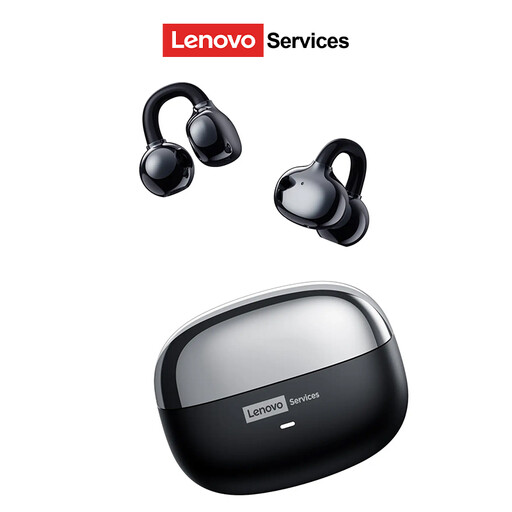
Why it suits this type of user: The earclip design is made for everyday listening, the office, video and light exercise. According to the product description, it works with Android, iOS and Windows, and has a quoted battery life of up to 25 hours.
The product information lists specific use cases and compatibility, so you don’t have to rely solely on a general claim about sports use. Do check the fit and actual battery life.
Open-ear earclip design, Bluetooth 6.0 according to the product description, and a quoted battery life of up to 25 hours.
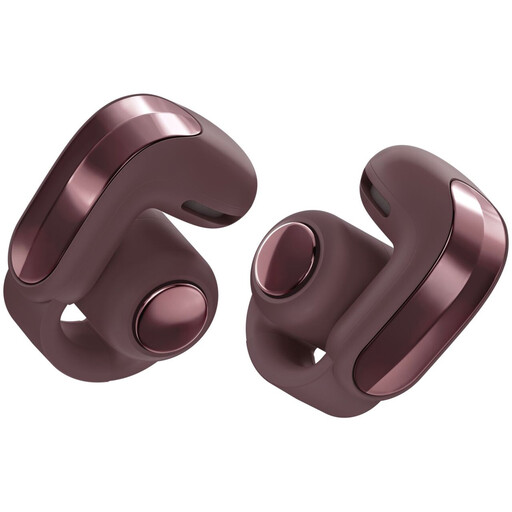
Why it suits this type of user: According to the product description, the open design sits next to your ear and is made for walking, cycling and everyday use. The Bose app offers settings to personalise your listening experience.
The product information specifies IPX4 for sweat and splashes, not immersion. Quoted listening time is up to 9 hours without Immersive Audio and up to 28.5 hours with the case.
Bluetooth 5.4, wireless case charging according to the specifications, and an open-ear design with an integrated microphone.
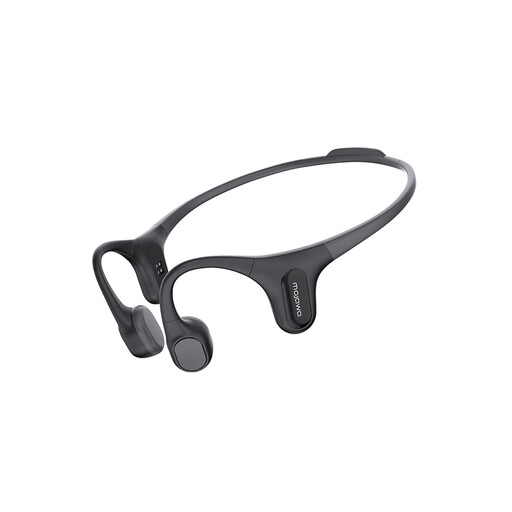
Why it suits this type of user: According to the product listing, this bone conduction model combines open-ear listening with 32 GB of built-in MP3 storage. This could make it a good choice for swimming, running, the gym and workouts where you’d rather listen without a smartphone.
The stated IP68 rating and MP3 storage are suited to intensive use, but follow the safety instructions: rinse after exposure to salt water, dry completely and only then charge.
Bone conduction design, 32 GB of storage and a product listing that mentions use for swimming and sport.
We’ve put together a complete, up-to-date list of products that meet these strict selection criteria and the applicable European safety regulations.
An open design doesn’t automatically make you safe in traffic. Keep the volume low enough to hear traffic and warnings. Don’t use headphones in situations that require your full attention, such as driving or operating machinery. Be aware of wind noise when cycling, and check that your earbuds are secure before you start a workout.
Clean the contact points and case with a soft, dry cloth. Don’t charge a device when it’s wet, and stop using it if the battery overheats, swells or leaks.
They can be, especially if the model is lightweight and stays put while you move. An ear hook, earclip or bone conduction band can provide extra stability. Check the water-resistance rating and choose a volume that lets you hear traffic and other runners.
It varies by model and how you use it. Product listings quote up to 9 hours for the Bose Ultra Open Earbuds and up to 25 hours for the Lenovo LE302, for example. Actual battery life depends on volume, calls, Bluetooth features and temperature. For earbuds with a case, the case’s capacity also counts.
Many Bluetooth models can be paired with these systems. Extra features, such as an equaliser, spatial audio or device-finding, may depend on an app or operating system. So, before you order, check not only the Bluetooth version but also the stated compatibility and features.
