
Vandaag of morgen in huis

Kwaliteit gegarandeerd

Welkomstaanbiedingen ontgrendelen: GRATIS bezorging | Tot 80% korting | Gratis 30 dagen JoyPlus-proefperiode
Download de app
Want to listen to music while walking, exercising or travelling without shutting yourself off completely? Open-ear headphones could be a good choice. The speakers usually sit beside or above your ears, so you can hear traffic, colleagues and conversations more clearly than with fully sealed earbuds.
However, not every model looks the same in real life as it does in the product photos. Marketing terms such as ‘spatial audio’, ‘noise cancellation’ and ‘water-resistant’ only tell you so much unless you know exactly what they mean. Below, we cover the main pitfalls and what to check, followed by some suitable product options.
An open design lets in sound from your surroundings, but the volume can still be too high. In heavy traffic, while cycling or when operating machinery, you should always keep your full attention on what’s around you. Don’t use headphones as a substitute for staying alert.
It’s also worth knowing the difference between passive noise isolation, ANC and ENC. Active noise cancellation works differently on open-ear models than it does on sealed earbuds. According to Lenovo’s product description, the LE302 uses ENC algorithms and acoustic technology to reduce background noise and wind interference. This is a product claim from Lenovo, not a guarantee that all surrounding sounds will be eliminated.
Check whether the stated battery life is for a single charge, includes the charging case or applies only with specific settings. For example, a model with 28 hours of total playback might offer around 7 hours per earbud, with the rest coming from the case.
Also look at:
An IPX4 rating generally means protection against splashes and sweat, not immersion or heavy rain. Always check the exact IP rating. For example, the Baseus Bowie MC1 is explicitly described as not waterproof in its product information. This makes it less suitable for strenuous outdoor exercise in wet weather.
Clip-on headphones rest on the outside of your ear. They can be comfortable if you don’t want anything in your ear canal. An ear hook often adds stability when you’re moving, but can be less comfortable with glasses or sunglasses.
Bone-conduction headphones transmit sound through vibrations to the area around your ear, leaving your ear canal clear. According to Sanag’s product information, the S7S Ultra uses an open-ear bone-conduction design. With this type, check that the pressure around your temples and cheekbones feels comfortable.
Bluetooth 5.2, 5.3 or 5.4 doesn’t, by itself, tell you how well a connection will work in your home. Check the stated range, multipoint support and compatibility with Android, iOS and Windows too.
Low latency matters for videos and games. Lenovo’s product description lists Wireless 6.0 for the LE302 and says there’s no noticeable delay in synchronisation. For everyday use, still check whether your smartphone, laptop or gaming device supports the same features.
For online meetings and phone calls, the number of microphones, wind reduction and microphone placement matter more than the term ‘HD call’ alone. The TALIX G1 has four microphones and Bluetooth 5.3, according to the product information. The Jabra Evolve2 75 has eight microphones according to its specifications and is designed for office use and calls.
Bear in mind that with an open design, people around you may also be audible to the person you’re speaking to. If possible, test the microphone in both a quiet and a busier setting.
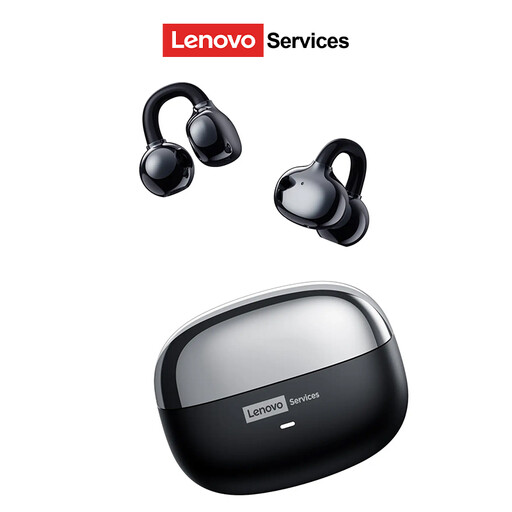
Why it suits this user type: The clip-on design is a good choice if you’re trying open-ear headphones for the first time, whether for music, videos, office work or light exercise. According to Lenovo, the headset works with Android, iOS and Windows.
The product information describes an open design and battery life of up to 25 hours. When buying, check how that figure is split between the headset and charging time.
Open-ear design, compatibility with several operating systems and stated battery life of up to 25 hours, according to the product description.
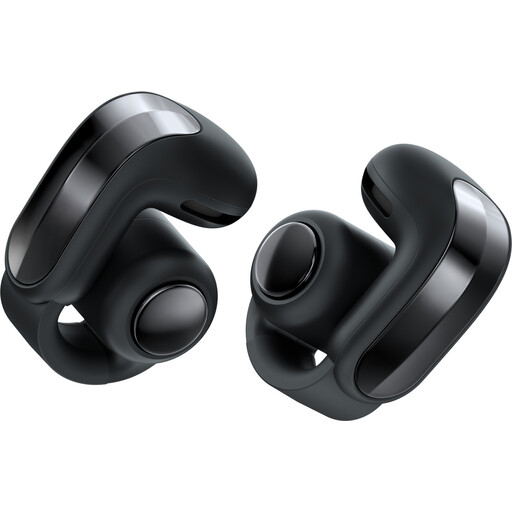
Why it suits this user type: This model is aimed at users who want to combine an open-ear listening experience, app controls and longer listening sessions with a familiar product range.
The stated battery life is 9 hours of listening, or up to 28 hours with the case. The product is also rated IPX4, so it isn’t designed to be submerged.
OpenAudio design, wireless charging according to the product information, app support and IPX4 splash resistance.
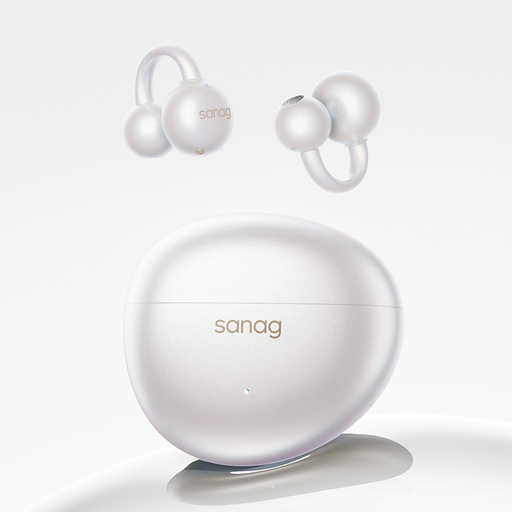
Why it suits this user type: The over-ear bone-conduction design is aimed at sports enthusiasts who don’t want an earbud in their ear canal. The band should sit comfortably around your head and temples.
The product information specifically describes open-ear bone conduction and warns against submerging the model. Check its exact water-resistance rating before exercising outdoors.
No earbuds in the ear canal, Bluetooth connectivity and a design that lets you hear surrounding sounds, according to the product description.
We’ve put together a complete, up-to-date list of products that meet these strict selection criteria and comply with current European safety regulations.
Open-ear headphones let in surrounding sounds, but that doesn’t automatically make cycling safe. Keep the volume low enough to hear traffic, bells and signals. Don’t use headphones when you need to give your full attention to the road or machinery.
Lifespan depends on charging cycles, moisture, temperature and everyday use. A battery that no longer lasts as long often can’t be replaced easily. Store the earbuds in their charging case in a dry place, avoid extreme heat and charge them with a suitable cable. An IPX4-rated model must not be submerged.
It depends on your ear shape and when you wear them. Clip-on earbuds usually don’t press into the ear canal, which can be more comfortable for longer listening sessions. However, an ear hook or clip may put pressure on some users, especially alongside glasses. So check the weight, adjustability and shape of the contact point.
