
Vandaag of morgen in huis

Kwaliteit gegarandeerd

Welkomstaanbiedingen ontgrendelen: GRATIS bezorging | Tot 80% korting | Gratis 30 dagen JoyPlus-proefperiode
Download de app
Open-ear headphones leave your ears free while you listen to music, podcasts or phone calls. This is useful when walking, exercising or cycling, as they don’t completely block out the sounds around you. However, not every model is right for every situation. The wrong choice can mean a loose fit, insufficient protection from rain or a microphone that’s barely usable outdoors.
So don’t focus only on terms such as “sport”, “AI” or “bone conduction”. Pay particular attention to the specifications that matter for use in the UK.
An open design can let you hear surrounding sounds, but that doesn’t mean you’ll always hear enough. Wind, traffic and loud music can still mask important sounds. That’s why manufacturers often advise against using headphones while driving or cycling.
Use headphones that keep you aware of your surroundings at a sensible volume, and stay alert. In busy traffic, it may be safer to pause the audio temporarily.
The IP rating indicates a level of protection against dust and water. For example, IPX4 headphones are designed to withstand splashes and sweat, but not immersion. A model with IP55 also offers protection against dust and water jets. IP67 or IP68 offers a higher level of protection, but always check the instructions for charging, salt water and swimming-pool use.
Water-resistant headphones must be completely dry before charging. Damage caused by incorrect use isn’t automatically covered by the warranty.
Bone conduction headphones transmit sound through vibrations near the temples or cheekbones, without placing an earbud in the ear canal. Other open-ear models use small speakers that sit in front of or above the ear. Both designs leave your ears free, but the fit, sound and pressure on your skin can differ.
So look at the actual design: ear hook, ear clip, band behind the head or on-ear speaker. The product name alone isn’t enough to predict comfort or sound quality.
A stable connection is important for wireless open-ear headphones. Bluetooth 5.3 and 5.4 are available across the range. The Bluetooth version isn’t the only factor that affects connection quality; your phone, codec, distance and surroundings also play a part.
Physical buttons are handy when running, as they’re often easier to use with sweaty fingers. Touch controls can be more compact, but may respond differently in the rain or when you’re wearing a hat or gloves. Also check whether you can answer calls, adjust the volume and pause music directly from the headphones.
Comfortable headphones should stay in place as you move, without pinching. Check:
At around 5.6 grams per earpiece, the Sanag G6S, according to the product information, may appeal if you want to feel as little weight as possible. A band-style model, on the other hand, may stay more secure during intense movement.
If you’re looking for headphones for calls, check the number and position of the microphones. According to the product specifications, the Soundcore C40i and AeroFit 2 have two built-in microphones. This is a verifiable feature, but it doesn’t guarantee that your voice will sound clear in every noisy environment.
As well as battery capacity, check how the headphones charge. A charging station or case is handy for everyday use. Check the stated playback time under the right conditions: volume, calls and extra features can all affect actual battery life.
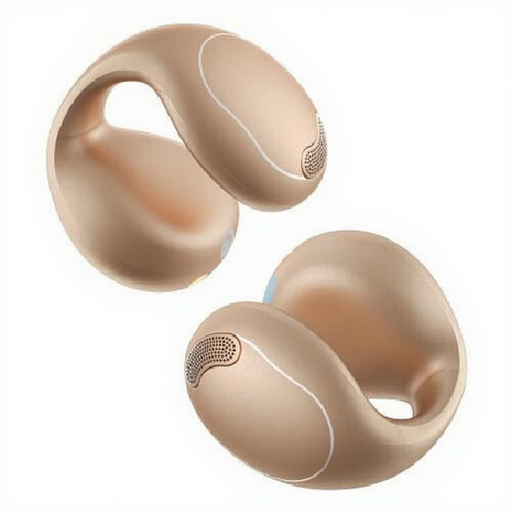
Why it suits this user: This model combines Bluetooth 5.4, button controls and an on-ear fit for calls, music, sport and everyday use.
The IPX4 rating makes the level of water protection clear: suitable for sweat and splashes, but not immersion.
Two microphones, physical buttons, a charging station and a stated weight of 60 grams.
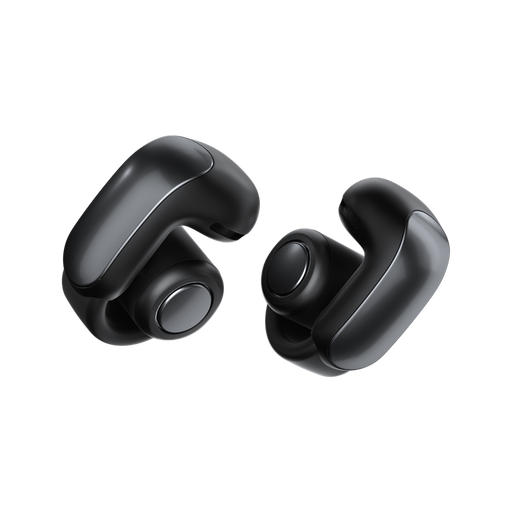
Why it suits this user: These open earbuds are designed for music and calls without completely blocking your ears. They offer Bluetooth 5.3 and a stated playback time of up to 7 hours.
The product information lists IPX4, making it clear that this model is designed for splashes, not swimming.
Bluetooth 5.3, an open design, a charging case and IPX4 water resistance according to the product specifications.
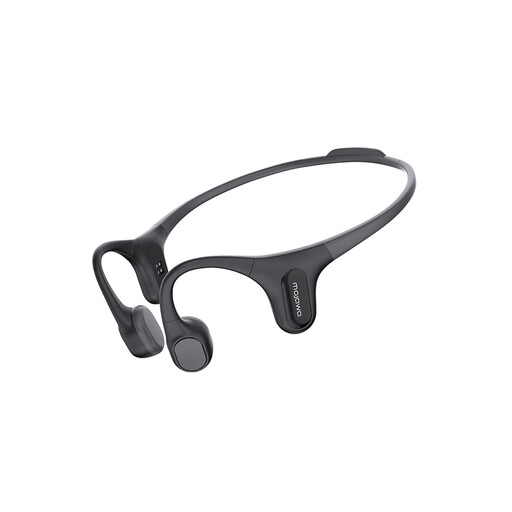
Why it suits this user: According to the product information, these bone conduction headphones are designed for running, cycling, fitness and swimming. They have 32 GB of built-in storage and an IP68 rating.
The stated IP68 rating suits users who need greater water protection. Be sure to follow the charging and care instructions.
32 GB of storage for music without needing a constant phone connection, plus a design that doesn’t place earbuds in your ear canals.
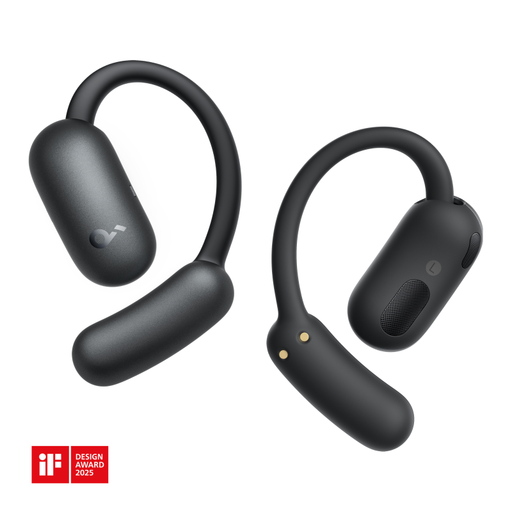
Why it suits this user: The combination of Bluetooth 5.4, IP55, two microphones and a charging station makes this a good fit for everyday use, commuting and workouts.
IP55 gives a clear indication of protection against dust and water jets. That doesn’t automatically make this model suitable for swimming.
Bluetooth 5.4, two microphones, a 750 mAh battery and button controls.
We’ve put together a complete, up-to-date list of products that meet these strict selection criteria and the applicable European safety regulations.
They can be, provided the fit is secure enough and the water-resistance rating suits your training. Choose an ear hook, ear clip or band that won’t shift as you move. Keep the volume low enough to hear traffic and other surrounding sounds. Running headphones are no substitute for staying aware of your surroundings.
Their lifespan depends on charging cycles, temperature, moisture and everyday care. Wipe away sweat and dirt after use, store the headphones somewhere dry and only charge them when the connectors are dry. Battery life per charge is different from the overall lifespan of the battery, so don’t compare the two.
Most models have a built-in rechargeable battery. The cost of charging is usually low, but you’ll need a suitable cable, adapter or charging station. Check what’s included when you buy. Also consider features such as built-in MP3 storage: it can be useful if you don’t want to take your phone with you when exercising, but it isn’t essential for everyone.
