
Vandaag of morgen in huis

Kwaliteit gegarandeerd

Welkomstaanbiedingen ontgrendelen: GRATIS bezorging | Tot 80% korting | Gratis 30 dagen JoyPlus-proefperiode
Download de app
Listen to music or a podcast while running, cycling, or at the office without completely disconnecting from your surroundings. That's the promise of open-ear headphones. But the market is flooded with models that overpromise and underdeliver. Many buyers fall into the same traps, ending up with uncomfortable or unusable headphones.
Before you make a choice, it's wise to understand the most common missteps:
bone conduction headphone models, a poor fit can cause constant, irritating pressure on your cheekbones. A design that doesn't match the shape of your head leads to discomfort and reduced sound quality.To avoid a regrettable purchase, it's important to look beyond marketing claims. Pay attention to the following objective specifications that determine if a model is right for your needs.
The IP (Ingress Protection) rating indicates how well a device is protected against dust and moisture. This is an objective standard, not a marketing term.
open-ear sports earbuds used for running and fitness.Open-ear doesn't always mean the same thing. There are two dominant technologies, each with its own pros and cons.
headphones for running and cycling in heavy traffic.wireless ambient sound earbuds have small speakers that rest just outside your ear canal. They don't block your ear but instead direct the sound towards it. This type is often considered more comfortable for extended use, for example, at the office.Bluetooth sports headphones need to be practical. Pay attention to the total playback time (including the charging case) and whether there's a fast-charging feature. A function like Multipoint Connection is useful if you want to seamlessly switch between your laptop and phone—a common scenario for commuters and office workers.
Based on objective specifications, we have selected several models that suit different user profiles.
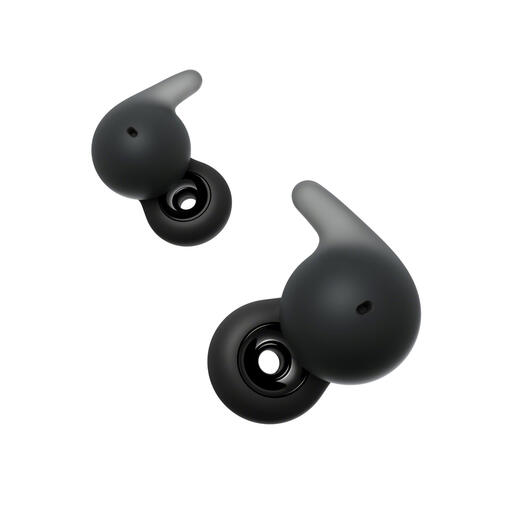
Why This Fits Their Persona: The unique ring design allows maximum ambient sound to pass through, which is essential for safety in city traffic. Their light weight (4.8 grams per earbud) makes them comfortable for both the daily bike commute and long-distance runs.
This model bypasses the "one-size-fits-all" trap with an ergonomic shape that rests inside the ear's concha, rather than pressing on it. This ensures a stable fit without the discomfort of traditional bone conduction headbands.
IPX4 rating for sweat and rain resistance. Multipoint Connection to connect to two devices simultaneously.
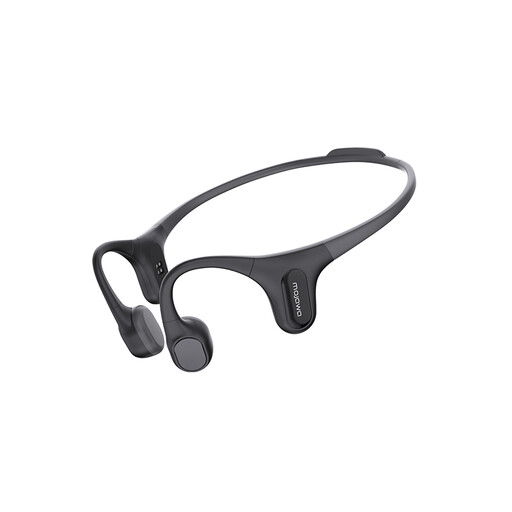
Why This Fits Their Persona: Specifically designed for water sports. The combination of an IP68 rating and a built-in 32GB MP3 player makes this model ideal for swimmers who want to listen to music without relying on a phone (Bluetooth does not work well underwater).
This model directly tackles the "waterproof" myth. The IP68 rating is not a vague promise but a verified specification that guarantees the headphones are suitable for swimming.
Built-in 32GB MP3 player for phone-free listening. Fully functional while swimming.
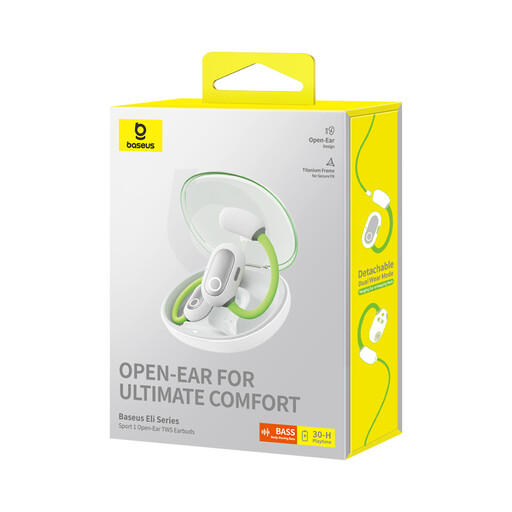
Why This Fits Their Persona: For those who need to be available all day at the office or on the go, but don't want the hassle of earbuds that sit inside the ear canal. The flexible ear hooks and lightweight design ensure comfort, even after hours of wear.
This air conduction model avoids the pressure points that some bone conduction headphones can cause. The fit is soft and flexible, reducing the risk of headaches or irritation during prolonged use.
Long total battery life (up to 30 hours with the charging case, according to Baseus). Comes with an optional neckband for extra security during movement.
We have compiled a complete, up-to-date list of products that meet these strict selection criteria and rigorous safety standards.
At a normal volume, sound leakage is minimal and barely audible to bystanders. At a very high volume, especially in a quiet environment like a library or a quiet train car, people close to you might hear some of your audio. The degree of sound leakage varies by model and technology.
Although bone conduction bypasses the ear canal, listening at extremely high volumes for extended periods can still strain the inner ear and potentially lead to hearing damage. The same warning applies as with any other headphones: use a comfortable volume and take regular breaks. The main safety advantage is that your ears remain open to warning signals from your environment.
A good fit is crucial. For a bone conduction model, the band should fit comfortably around the back of your head, and the transducers should rest stably on your cheekbones without pinching. For air conduction models, the ear hooks or clips should sit securely but gently on or around your outer ear. If you have the chance, it's always a good idea to read reviews about the fit for different head and ear sizes.
