
Vandaag of morgen in huis

Kwaliteit gegarandeerd

Welkomstaanbiedingen ontgrendelen: GRATIS bezorging | Tot 80% korting | Gratis 30 dagen JoyPlus-proefperiode
Download de app
Would you like to listen to music while running without completely blocking your ears? Or are you looking for Bluetooth headphones for podcasts, phone calls and cycling? Open-ear headphones can be a practical choice, but the differences between models are considerable.
Marketing copy often uses terms such as “noise cancelling”, “waterproof” and “long battery life”. These words do not always tell you what to expect in real-world use. Pay particular attention to the construction, IP rating, controls and how the battery life was measured.
With an open-ear model, the speakers are usually positioned in front of or above the ear. Your ear canal remains open, but the sound is still transmitted through the air to your ear. A bone conduction headset, on the other hand, uses transducers that generally rest against the cheekbone or beside the ear.
Both designs let you hear surrounding sounds, but the listening experience and fit are different. Check whether you are buying open-ear headphones, an ear-hook model or a genuine bone-conduction headset.
The IP code indicates the conditions against which a product is protected. A model with IPX4, for example, is designed to withstand splashes and sweat, but not immersion. IP55 provides protection against dust and water jets under certain conditions. IP67 and IP68 indicate a higher level of protection, but the manufacturer’s usage conditions still take priority.
So, headphones for running in the rain are not automatically suitable for swimming. Also pay attention to the charging contacts: they must be completely dry before you start charging.
Battery life depends on volume, Bluetooth codec, phone calls, temperature and any storage features. Baseus states that the Eli Sport 1 offers approximately 7 to 8 hours of playback at 70% volume and around 30 hours with the charging case. This is a stated laboratory figure; actual use may vary.
Also consider the charging method. A charging case is convenient for everyday use, while magnetic charging is often more compact on sports models. Check whether a power adapter is included too.
For sports headphones, a secure fit is more important than simply having a low weight. Ear hooks, a neckband or a clip design can help when you are running or cycling. Supra-aural open-ear headphones rest around the ear without blocking the ear canal.
Pay attention to the weight of the complete set, not just one earbud. Several models weigh around 60 grams as a set, while some bone-conduction models weigh around 140 grams. Fit is still a personal matter: a heavier model may feel more secure, but can also create more pressure during longer training sessions.
Use the IP code as your first filter:
Rinse a model with clean water after contact with chlorinated or salt water if the manufacturer recommends this. Allow it to dry completely before charging it.
If you are looking for headphones with a microphone for work or phone calls, it is worth checking the number of microphones. The Soundcore C40i has two microphones, while the Soundcore Aeroclip lists four microphones. These are verifiable specifications, but they do not guarantee the same call quality in every windy or busy traffic situation.
Bluetooth 5.3 and 5.4 are modern versions with broad compatibility, but always check that your smartphone, laptop or sports watch supports the connection. For swimming, Bluetooth alone is often impractical underwater. Models with built-in storage, such as the 32 GB found in certain Mojawa and Verbex models, can play music without a constant phone connection. Do check which file formats and control functions are supported.
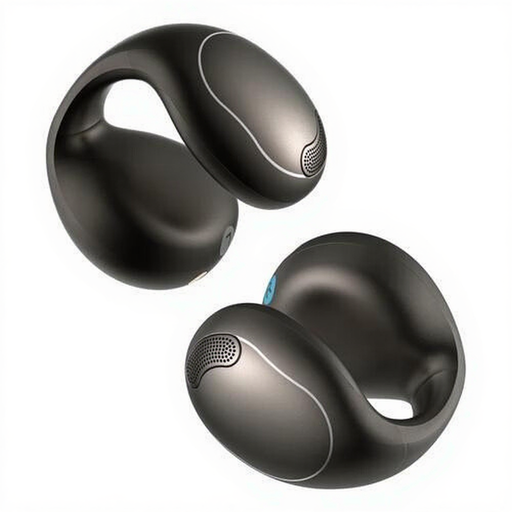
Why it suits this profile: This model is designed for calls, music, sport and everyday use. Bluetooth 5.4, button controls and a weight of 60 grams make it straightforward to operate.
The IPX4 rating makes it clear that this model is resistant to sweat and splashes, not suitable for swimming. The product information also lists two microphones and a charging case.
Open-ear design, Bluetooth 5.4, button controls, two microphones and IPX4.
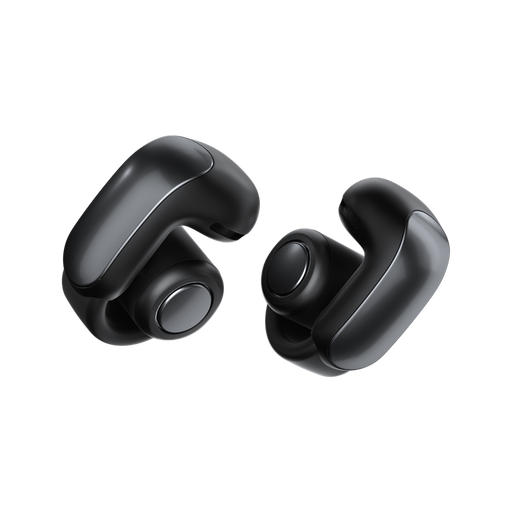
Why it suits this profile: An open design, Bluetooth 5.3 and a stated playback time of up to 7 hours are well suited to everyday listening and calls on the go.
The stated IPX4 rating prevents confusion about use for swimming. The product information also mentions Bluetooth 5.3 and a range of 9 metres.
Open-ear fit, Bluetooth 5.3, up to 7 hours of playback and IPX4.
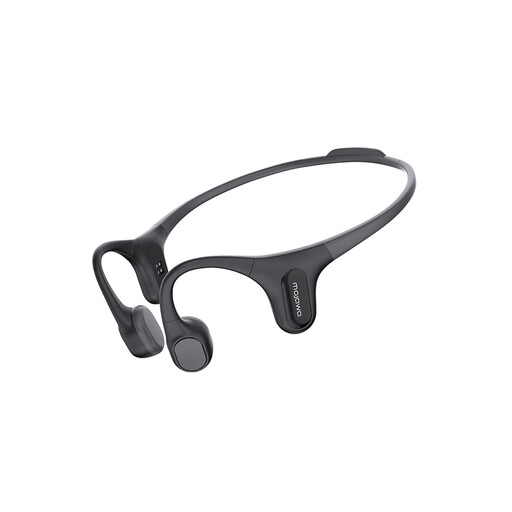
Why it suits this profile: According to the product information, this bone-conduction model combines 32 GB of built-in storage with IP68 and Bluetooth for running, fitness and swimming.
The built-in storage reduces reliance on a phone connection in the water. Before use, check the conditions relating to IP68 and charging.
32 GB storage, bone conduction, open-ear design and IP68 according to the product listing.
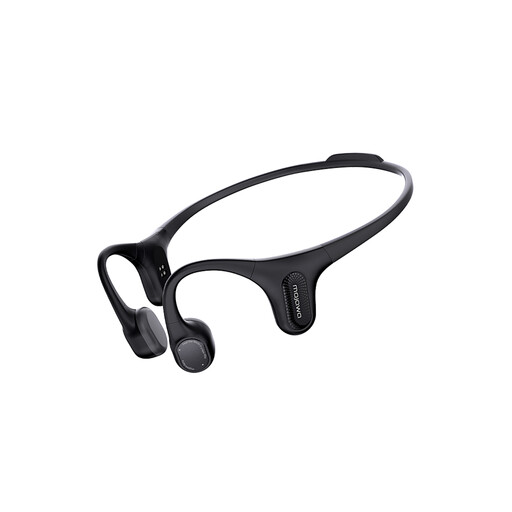
Why it suits this profile: According to the product description, this model is designed for running, cycling and training, with Bluetooth, a microphone and IP67.
IP67 sets it apart from models that are only resistant to splashes. Nevertheless, check the manual before exposing the product to rain or water for extended periods.
Bone conduction, IP67, Bluetooth and built-in microphone.
We have put together a complete, up-to-date list of products that fully meet these strict selection criteria and the applicable European safety regulations.
They can be, particularly if you want to remain aware of your surroundings. Choose a model with a secure ear hook or neckband and an IP rating suitable for sweat and rain. Do not use headphones in situations where your full attention is required. When cycling, you must also take traffic laws and local regulations into account.
Only if the specific model has been designed for this purpose and the manufacturer supports it. Bluetooth has limited functionality underwater, so a model with internal storage and a suitable water-resistance rating is more practical. Always dry the charging contacts completely before connecting the device.
The playback time per charge varies by model and usage. In the product information for various models, the stated playback time is around 7 to 8 hours, while a charging case provides additional charges. Overall service life depends on charging cycles, storage, temperature, moisture and careful maintenance. Use a moderate volume and charge the headphones according to the manufacturer’s instructions.
