
Vandaag of morgen in huis

Kwaliteit gegarandeerd

Welkomstaanbiedingen ontgrendelen: GRATIS bezorging | Tot 80% korting | Gratis 30 dagen JoyPlus-proefperiode
Download de app
Open-ear headphones let you listen to music, podcasts or phone calls without completely blocking your ear canal. They’re useful for running, cycling, walking and commuting. You can still hear sounds around you, such as traffic, a bicycle bell or a public announcement.
But the range can seem clearer-cut than it really is. Terms such as bone conduction, AI, waterproof and long battery life don’t always tell the whole story. So it’s worth looking out for these common pitfalls.
An IPX4 rating indicates protection against splashes and sweat. That may be suitable for a workout or a bike ride in light rain, but not for submersion. For swimming, you’ll need a model whose product information explicitly says it’s suitable for swimming and whose water resistance is appropriate for that use.
Check the charging instructions too. Magnetic charging contacts must be completely dry before you connect a cable. If the manufacturer advises it, rinse sports headphones with clean water after using them in salt or chlorinated water.
Headphones designed to keep you aware of your surroundings help leave your ears unobstructed, but high volume can still mask traffic and warning sounds. Open-ear headphones are no substitute for staying alert. Keep the volume low enough to hear important sounds, especially when cycling or running in town.
Bone conduction headphones transmit sound through vibrations near the cheekbone. With clip-on or ear-hook models, the speakers are usually positioned beside or above the ear. Both designs leave the ear canal relatively unobstructed, but fit and listening experience vary from person to person.
Battery life may be shorter when you use spatial audio, an intensive sound mode, phone calls or high volume. So check the difference between headphone playback time and the total time, including the charging case.
Fast charging is particularly useful for a daily train journey or a short workout. For long bike rides or multi-day use, headphones with internal storage may be more practical, as you won’t always need to connect to a smartphone.
Open-ear headphones shouldn’t press into your ear, and they should stay in place while you move. Compare:
The letters and numbers in an IP rating show what a device is protected against. An X means no rating has been given for that part of the classification. IPX4 is designed to protect against splashes, while higher ratings may offer greater protection against water. That still doesn’t automatically mean every model is suitable for swimming.
If you’re choosing headphones for swimming, check that the product description specifically mentions a swimming feature or use in water. A Bluetooth model may also struggle to maintain a stable connection to your smartphone underwater. In that situation, internal storage or an MP3 player is a more important specification.
As well as battery life, consider the features you’ll actually use:
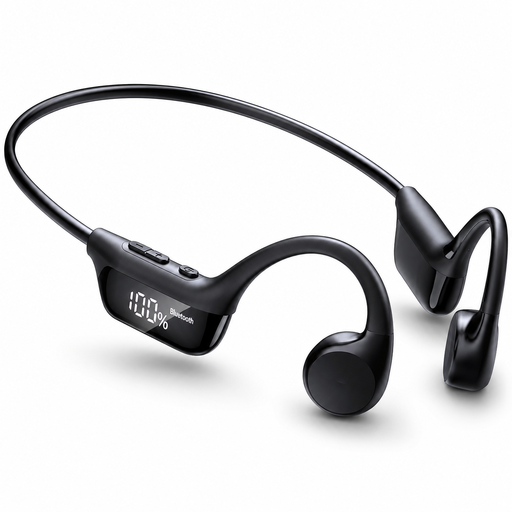
Why it suits this profile: This model is designed for sport and lists Bluetooth 6.0, up to 12 hours of battery life and IPX7 water resistance. That makes it a practical entry-level choice for running, the gym and cycling.
The stated IPX7 rating is more specific than a general claim such as “waterproof”. Check the manual for guidance on prolonged submersion.
Bluetooth 6.0, up to 12 hours of battery life and a design made for sport.
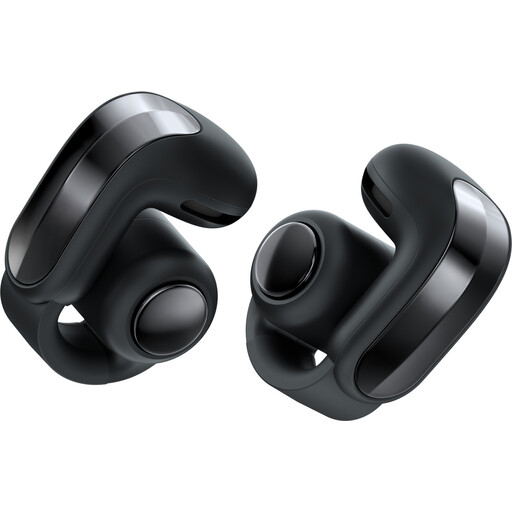
Why it suits this profile: A good choice for commuters and everyday use, thanks to its open design, button controls, microphones for calls and spatial audio support.
The product information gives specific figures: up to 9 hours of playback, up to 28 hours with the case and IPX4 splash resistance. This helps distinguish everyday use from more demanding sporting activities.
OpenAudio design, wireless charging and a stated battery life of 9 hours per charge.

Why it suits this profile: The combination of bone conduction, IP68 water resistance and 32 GB of built-in storage makes it a good match for swimming, long workouts and phone-free exercise.
Internal storage reduces reliance on Bluetooth while swimming. Rinse the model after exposure to salt or chlorinated water, and only charge it once it’s dry.
32 GB of storage and IP68, according to the product information, plus Bluetooth for use out of the water.

Why it suits this profile: The clip design, three listening modes, 10-band equaliser and stated total playback time of 37 hours make these a good fit for the office, train journeys and everyday walks.
The specifications distinguish between 9 hours from the earbuds and extra time from the case. IPX4 makes the intended use clear: splashes and sweat, not swimming.
Bluetooth 5.3, USB-C, microphone, 10-band EQ and a fast-charging feature that, according to the product information, provides 1 hour of playback from a 3-minute charge.
We’ve put together a complete, up-to-date list of products that meet these strict selection criteria and the applicable European safety regulations.
Yes. This design can be a good choice if you want to listen to music while still hearing sounds around you. Choose a secure fit, keep the volume at a sensible level and don’t rely on your headphones instead of staying alert to traffic.
Bone conduction headphones transmit sound through vibrations near the cheekbone. Open-ear earbuds and clip-on models position the speaker beside the ear. Bone conduction is often worth considering for sport and swimming when internal storage is available; clip-on models can be a good choice for commuting and long listening sessions.
It varies by model and how you use it. Check the headphones’ stated playback time separately from the total time with the charging case. High volume, calls and extra sound features can shorten battery life. Also check charging time, fast-charging support and whether a charging case is included.
