
Vandaag of morgen in huis

Kwaliteit gegarandeerd

Welkomstaanbiedingen ontgrendelen: GRATIS bezorging | Tot 80% korting | Gratis 30 dagen JoyPlus-proefperiode
Download de app
Would you like to listen to music or podcasts while running, cycling or walking without completely blocking your ears? Then open-ear headphones could be a practical choice. The open design lets in surrounding sounds, so you do not have to keep removing an earbud to hear traffic or a conversation.
However, many models look alike in online shops. A low price, long battery life or terms such as “AI” do not automatically mean that a product is right for the way you use it. Pay particular attention to the wearing design, moisture protection and how the battery life has been measured.
Open-ear headphones or open-ear earbuds generally let you hear more outside sound than closed in-ear models. This does not mean that traffic noise will always remain clearly audible. Wind, heavy traffic and high volume can affect your awareness.
Do not use open-ear headphones as a substitute for staying alert. According to safety information from brands including Sanag and Bose, you should remain attentive in traffic. Keep the volume low enough to stay aware of your surroundings and do not use active noise cancellation during activities where surrounding sound is important.
A model labelled as sports headphones may be suitable for exercise, but always check the IP rating. According to the product specifications, the Sony LinkBuds Open and Bose Ultra Open have an IPX4 rating. This indicates protection against splashing water, but not immersion or prolonged exposure to heavy rain.
The Sanag S8S Ultra has no IP rating in the product information provided. Bear this in mind if you often train outdoors or sweat heavily. Store wireless headphones in a dry place and only charge them once the connectors are dry.
“Up to” a certain number of hours usually refers to a laboratory figure measured under specific conditions. Volume, Bluetooth connection, phone calls and additional features affect actual usage time.
So do not compare only the maximum number of hours. Also check:
Ear-clip headphones sit around or beside the ear without blocking the ear canal. This can be comfortable if you do not want to wear earbuds inside your ears. However, check whether the clip is adjustable and whether the weight is evenly distributed. A model that stays securely in place while walking may still shift when sprinting or cycling.
The term bone-conduction headphones is sometimes used for products that describe delivering sound through vibrations near the bone beside the ear. Not every product using this term in its name has the same technical construction. The Sanag S8S Ultra includes “bone conduction concept” in its product name. Base your choice on specific information about positioning, controls and fit, rather than on the name alone.
For everyday use, Bluetooth compatibility is more important than the version number alone. Check whether the headphones work with your smartphone, tablet and laptop. Multipoint is useful if you want to switch between two devices.
According to the product specifications, the Sony LinkBuds Open supports Bluetooth 5.3 and multipoint. The Bose Ultra Open also uses Bluetooth 5.3. The Baseus Bowie Series MC1 OL lists Bluetooth 5.4 and a range of 10 metres in an open environment. Actual range depends on walls, other wireless signals and the connected device.
If you also use open-ear headphones for phone calls, pay attention to the microphone and controls. A touchscreen or physical button makes pausing and answering calls easier while walking. In windy conditions, call quality depends not only on the headphones, but also on the microphone’s position and your surroundings.
Open-ear models are not automatically suitable for long business calls. Compare the available microphone features with the way you plan to use them. For more models designed for calling, you can also browse earbuds for phone calls.
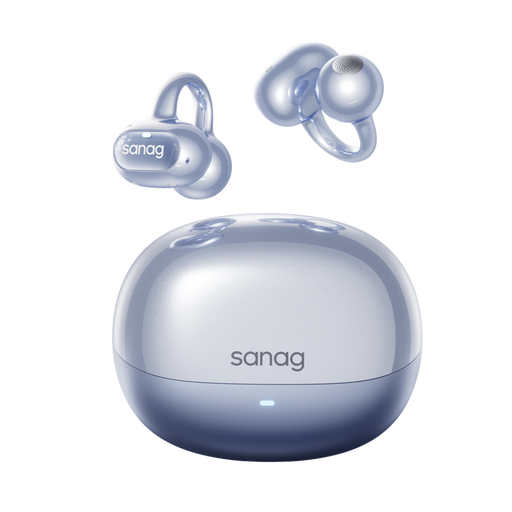
Why it suits this profile: The ear-clip design is intended for users trying an open-ear model for the first time and who do not want an earbud in the ear canal. The controls work by touch and pairing is via Bluetooth.
The product information describes positioning beside the ear rather than in-ear use. However, no IP rating is listed, so consider your conditions when using it outdoors.
Ear-clip construction, Bluetooth connection, USB-C charging and features for music, calls and AI control, according to the product information.
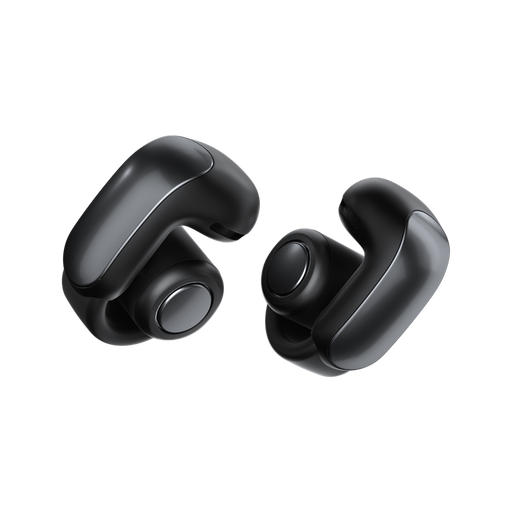
Why it suits this profile: This open design is made for listening while keeping your ears free. The combination of Bluetooth 5.3, controls on the earbuds and a stated IPX4 rating makes it suitable for everyday use and light exercise.
The specifications explicitly mention an open design and IPX4. This makes its limitations clearer than a general sports claim, but the product is not intended for immersion.
Open construction, Bluetooth 5.3, up to 7 hours of playback according to the product description and a USB-C charging case.
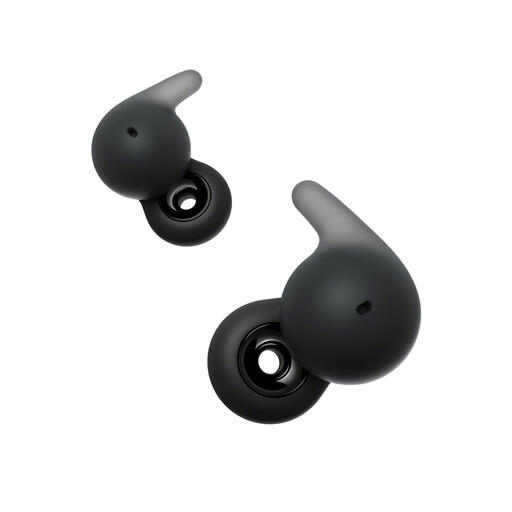
Why it suits this profile: The low stated weight of 4.8 grams per earbud, IPX4 and multipoint make this model appealing to users who often switch between a smartphone and laptop and regularly spend time outdoors.
The open housing prevents the ear canal from being completely sealed, while the IPX4 specification provides a clear limit for splashing water. Even so, check the fit before intense running.
Bluetooth 5.3, multipoint, IPX4, microphone and a stated total battery life of 22 hours with the charging case.
We have put together a complete, up-to-date list of products that fully meet these strict selection criteria and the applicable European safety regulations.
That depends on the fit, weight and moisture protection. An ear clip or open-ear design can be comfortable if you want to remain aware of surrounding sounds. Test the model at a gentle pace to make sure it does not shift, and keep the volume limited. When cycling or walking, you remain responsible for being aware of traffic.
Switch on Bluetooth on your phone, charge the headphones and press and hold the pairing button or control. Then select the product name from the Bluetooth list. Models with an app may offer additional settings. Check beforehand whether you need multipoint if you want to use the headphones with two devices.
Usage time per charge varies by model and settings. The service life of the built-in lithium battery is affected by charging cycles, heat and storage. Charge using a suitable USB-C cable, avoid prolonged exposure to heat and store the headphones in a dry place. A statutory minimum two-year guarantee may apply; check the terms for each product and seller.
