
Vandaag of morgen in huis

Kwaliteit gegarandeerd

Welkomstaanbiedingen ontgrendelen: GRATIS bezorging | Tot 80% korting | Gratis 30 dagen JoyPlus-proefperiode
Download de app
Open-ear headphones let you listen to music, podcasts or conversations without completely blocking your ear canals. This can be useful when you’re out walking, at the office or working out. However, not all models are the same. Choosing the wrong pair can result in a loose fit, difficult-to-understand phone calls, or damage caused by rain and sweat.
As a Joybuy Product Recommendation Officer, I focus primarily on verifiable specifications. Marketing terms such as “AI”, “noise cancelling” or “professional” mean little on their own. It’s better to look at the construction, IP rating, Bluetooth version, microphones and usage restrictions.
Headphones with an open design leave your ears partially unobstructed, but that does not mean you will reliably hear all traffic sounds. Wind, rain, busy junctions and high volume all affect what you can perceive. Manufacturers warn against using headphones while cycling, driving or in other situations where your full attention is required. Always check the local traffic regulations and switch off audio when necessary.
An IPX4 or IP55 rating does not mean that a product is suitable for swimming. IPX4 generally indicates protection against splashes. IP55 combines protection against dust with limited protection against water jets. A model with IP67 or IP68 has a higher protection rating, but you should still check the manual: salt water, chlorine, depth and charging contacts may all impose restrictions.
A product marketed as waterproof sports earbuds should therefore be assessed based on its exact IP code and the manufacturer’s conditions. Always allow a magnetic charging port to dry completely before charging.
With open-ear earbuds, ambient sound enters and audio escapes. In a busy station or on a windy cycle route, music may sound less full. Bone conduction headphones also work differently from conventional on-ear speakers. With bone conduction, sound is transmitted through contact points near the head. The listening experience, bass response and fit therefore vary from user to user.
Pay attention to the difference between supra-aural speakers, ear clips and a hook-style construction. Open-ear headphones with an ear hook may stay more securely in place when running than a loose clip-on model, while a clip may apply less pressure during everyday use.
Also check:
A lightweight model is not automatically comfortable. The pressure distribution and shape determine how the device feels after prolonged use.
Use the IP code as a practical filter:
These ratings say nothing about sound quality or battery life. If the manual instructs you to do so, rinse sports headphones with clean water after exposure to salt or chlorinated water, and only charge them once all contacts are dry.
Wireless open-ear headphones with Bluetooth 5.3 or 5.4 offer a modern connection standard, but range and stability also depend on your phone, obstacles and interference in the surrounding area. For everyday use, look at:
Headphones with a microphone are useful for calls, but wind noise and traffic can reduce speech clarity. A higher number of microphones is a technical indication, not a guarantee of a clear conversation in every environment.
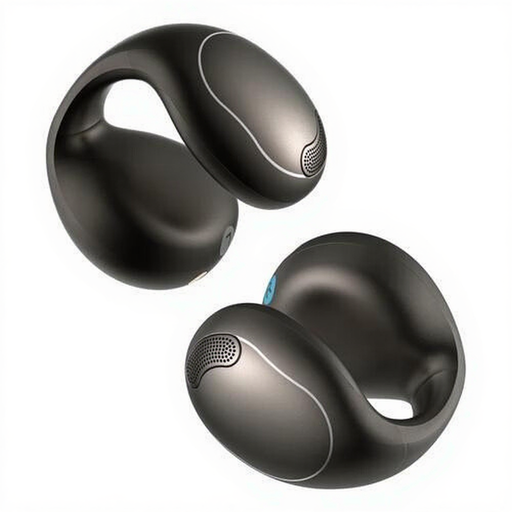
Why it suits this profile: This model combines open-ear listening with Bluetooth 5.4, button controls and a weight of 60 grams. That makes it a straightforward choice for music, calls and everyday use.
The IPX4 rating makes the limitation clear: suitable for splashes, but not for swimming. This allows you to assess its water resistance more realistically.
Bluetooth 5.4, two microphones, button controls and an included charging station.
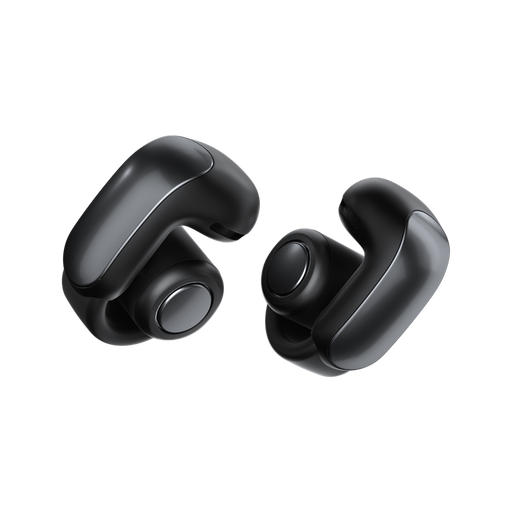
Why it suits this profile: According to the product information, this open model offers up to 7 hours of playback, Bluetooth 5.3 and IPX4 splash protection. It is designed for listening to music and making calls without an in-ear fit.
The stated IPX4 code prevents splash protection from being confused with suitability for swimming. Intensive water use requires a different type of product.
Open design, stated battery life of up to 7 hours and Bluetooth 5.3.
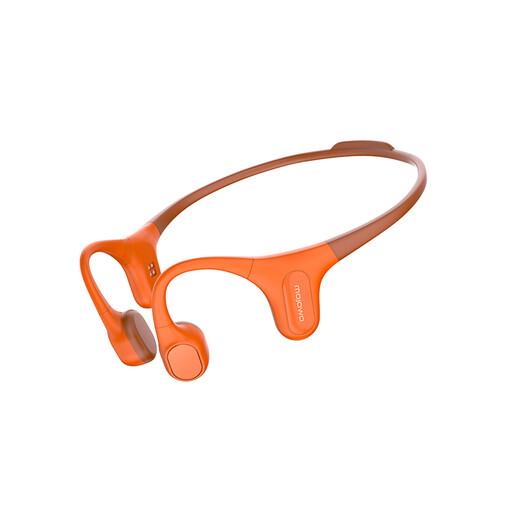
Why it suits this profile: According to the product information, this bone conduction model is intended for running, swimming, cycling and fitness. It has IP68 and 32 GB of built-in storage for listening without a direct phone connection.
The higher IP rating is better suited to water use, but always check the conditions before swimming and dry the charging contacts completely.
IP68 according to the product information and 32 GB of built-in MP3 storage.
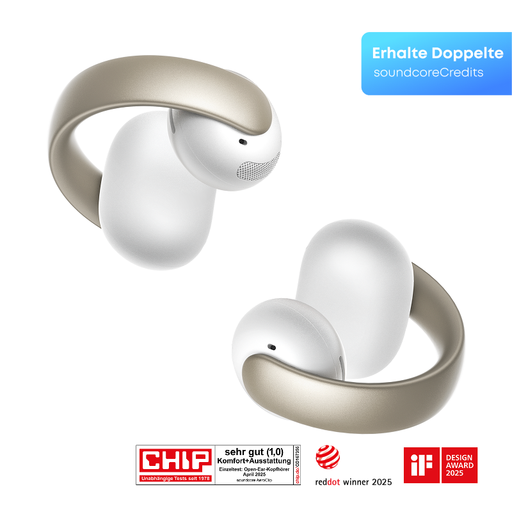
Why it suits this profile: According to the product specifications, this TWS model uses Bluetooth 5.4, touch controls and four microphones. Its stated playback time is up to 8 hours.
The microphones and touch controls are clearly specified, so you do not have to rely solely on the general claim of “clear calls”.
Bluetooth 5.4, four microphones and up to 8 hours of stated playback time.
We’ve put together a complete, up-to-date list of products that fully meet these strict selection criteria and the applicable European safety regulations.
That depends on the fit, weight and stability. A model with an ear hook or bone conduction may stay in place better while running than a loose clip-on model. Do not set the volume too high, and switch off audio in busy traffic. Awareness of your surroundings is no substitute for attentiveness.
Battery life varies by model and volume. The stated playback time for the models mentioned is around 7 to 8 hours per charge; some models also have a charging case, charging station or built-in storage. Actual battery life may be shorter when making calls, listening at high volume, in low or high temperatures, or when using Bluetooth.
First check the Dutch traffic regulations and the warnings in the manual. Many manufacturers advise against wearing headphones while cycling or in other situations requiring increased awareness. Even with an open design, wind and traffic noise affect what you hear. Always give the traffic your full attention and, if in doubt, do not use audio.
