
Vandaag of morgen in huis

Kwaliteit gegarandeerd

Welkomstaanbiedingen ontgrendelen: GRATIS bezorging | Tot 80% korting | Gratis 30 dagen JoyPlus-proefperiode
Download de app
Open-ear headphones let you hear the sounds around you while listening to music, podcasts or phone calls. This makes them an interesting option for runners, commuters, people working from home and anyone who would rather not wear anything inside their ear canals. However, many models look more similar on paper than they feel in use.
Look out for these three common pitfalls:
Open-ear headphones can be worn in several different ways:
Pay attention to the weight, adjustability and where the speaker rests. A lightweight design can be comfortable when working from home, while a more secure ear hook may stay in place better when running. Fit is personal: a model that feels secure for one person may shift for another.
For sport, water-resistant headphones are often a practical choice. An IP rating indicates the type of exposure a product has been tested against. IPX4 generally means protection against splashes, such as sweat or light rain, according to the product information. It doesn’t mean you can submerge the device or rinse it under a tap.
So check:
Wireless Bluetooth headphones should do more than pair with your device: they should also maintain a stable connection while you’re walking or commuting. Bluetooth 5.3 or 5.4 tells you something about the connection technology, but it doesn’t by itself tell you how well the connection will work in your surroundings.
For phone calls, the number and position of the microphones matter. For example, the Soundcore C40i lists two built-in microphones. According to the product information, the Sony LinkBuds Open supports multipoint, so you can connect two devices at the same time.
Also compare:
Headphones for running should also be easy to operate while you’re moving. Physical buttons may be more practical than touch controls, especially in the rain or when wearing gloves.
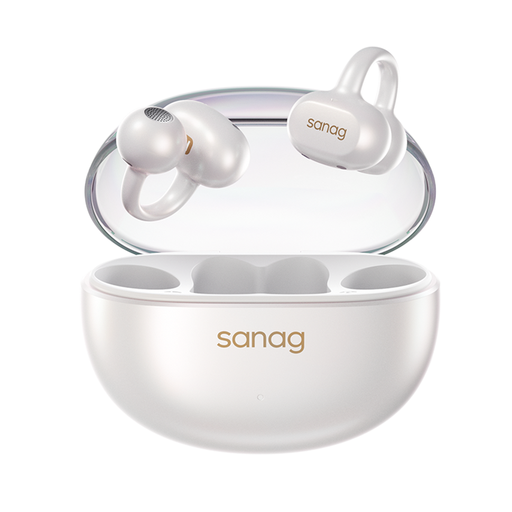
Why it suits this user: Its ear-clip design and Bluetooth connectivity make it a good fit for anyone trying an open design for the first time, whether for podcasts, walking or light exercise.
The instructions describe how to position it on the outer ear and pair it via Bluetooth. Before buying, check the included manual to see which noise reduction modes are available.
Open-back design, touch controls and support for phone calls, according to the product information.
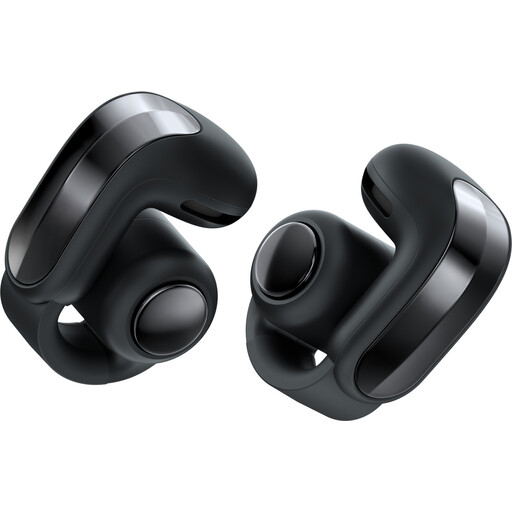
Why it suits this user: A good choice for anyone who values app controls, spatial audio features and an ear-hook-style fit for everyday use.
The product information lists an open fit outside the ear, a flexible joint and IPX4 splash resistance. This makes it easy to check the specifications before you order.
Up to 9 hours of listening according to the product specifications, wireless charging for the case and controls via the Bose app.
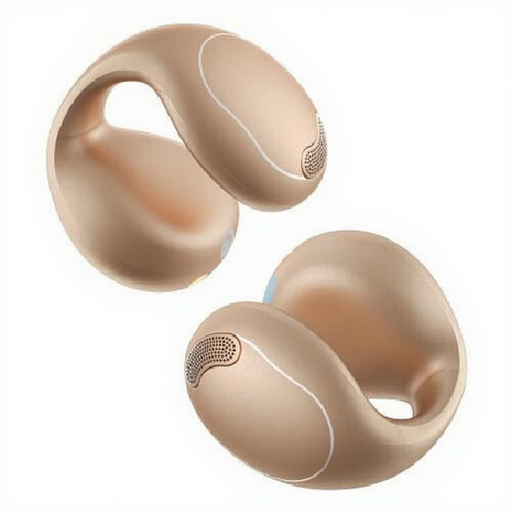
Why it suits this user: A practical choice for calls, sport and everyday use, thanks to Bluetooth 5.4, button controls and two microphones.
The IPX4 rating makes clear that this product is splash-resistant, not suitable for submersion. The manufacturer also warns against using it while cycling or in situations that require your full attention.
Bluetooth 5.4, two built-in microphones, button controls and a charging station, according to the product specifications.
We’ve put together a full, up-to-date list of products that meet these strict selection criteria and the applicable European safety regulations.
It depends on the fit, volume and your surroundings. An open design can help you hear ambient sounds, but it’s no substitute for staying alert. Choose a secure ear clip or headphones with an ear hook, and keep the volume moderate. Also check local traffic rules and the manufacturer’s warnings.
Listening time per charge varies by model and feature. Don’t just look at the total battery life with the charging case; check how long the headphones themselves play for, too. For example, the Bose Ultra Open Earbuds 2nd Gen lists up to 9 hours per charge, while other models quote a longer total playtime with the case.
The cost of electricity for charging is generally low. More important factors are the charging accessories, the lithium battery’s lifespan and how you store the product. Use a suitable cable, don’t charge it with damaged accessories, and keep the headphones dry in their case. This can help reduce the risk of premature wear.
