
Vandaag of morgen in huis

Kwaliteit gegarandeerd

Welkomstaanbiedingen ontgrendelen: GRATIS bezorging | Tot 80% korting | Gratis 30 dagen JoyPlus-proefperiode
Download de app
Open-ear headphones let you listen to music, podcasts or phone calls without completely blocking your ear canals. They’re useful for running, cycling, walking, commuting and working in the office. However, open-ear models vary considerably in fit, water resistance, sound and battery life.
The product name alone doesn’t tell you everything. A model that feels comfortable on a gentle walk may shift during an intense workout. And a label such as “waterproof” doesn’t necessarily mean it’s suitable for swimming. So it’s worth looking out for the following pitfalls.
Headphones that let you hear your surroundings don’t remove every risk. You could still miss traffic, cyclists, alarms and conversations if the volume is too high. So don’t use open-ear headphones as a substitute for paying attention to traffic.
Open-ear models also differ from one another. Earclip headphones sit around or on the outer ear, while bone conduction headphones, according to their product descriptions, transmit sound through vibrations. So the way you hear sound varies from one design to another.
Always check the official IP rating. IPX4 means protection against splashes and sweat, but not immersion. That may make it suitable for walking or fitness, for example, but not automatically for swimming.
Products with a higher rating, such as IP67 or IP68, are designed to offer greater resistance to water for swimming. Check the instructions too: the charging port must be dry before you connect a device. A model with IPX4, such as the Sony LinkBuds Clip, is suitable for splashes and perspiration according to the product information, but not for swimming.
The stated battery life is usually a maximum achieved under certain conditions. Volume, phone calls, Bluetooth connection, equaliser settings and extra features can all affect how long the battery lasts.
Also check the difference between the headphones’ battery life and the total playback time with the charging case. A model with built-in storage may be more practical for swimming than Bluetooth sports headphones, because Bluetooth has limited usability underwater.
Choose according to how you move:
Fit is personal. Pay attention to pressure around your temples, weight and stability when moving your head. A lightweight design may feel more comfortable on long walks, while a sturdier frame may stay in place better during interval training.
The first numbers or letters in an IP code refer to protection against dust; the second number relates to water. Sports earbuds often have one of these ratings:
Rinse models with clean water after contact with chlorinated or salt water if the manufacturer instructs you to do so. Don’t charge wet headphones straight away.
If you make calls often, wireless headphones with a microphone can be useful. Check the microphone specifications, mute controls and performance in windy conditions. Brands may claim features such as noise cancellation or voice isolation. Treat these as product features, not a guarantee that you’ll be clearly understood in every environment.
Bluetooth version, multipoint connectivity and compatibility with Android, iOS and Windows all affect how smoothly a model fits into your everyday routine. An app with an equaliser can be useful if you want to adjust the sound for podcasts, voices or music.
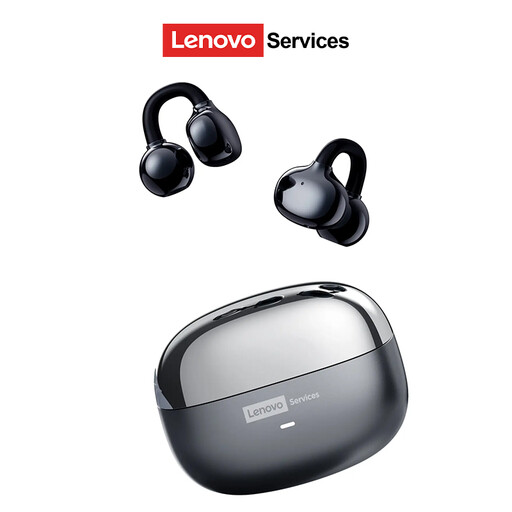
Why it suits this profile: The product description mentions a lightweight open-ear design, compatibility with Android, iOS and Windows, and use for music, the office and exercise. That makes this model a good introduction to earclip headphones.
The stated battery life of up to 25 hours makes it clearer that there’s a difference between headphone playback time and charging time. Check the latest specifications and charging method on the product page.
Open-ear design, support for multiple operating systems and, according to the product description, long battery life.

Why it suits this profile: The clip-on design, microphone, Bluetooth 5.3, 10-band equaliser and three listening modes suit users who switch between music, podcasts, calls and office work throughout the day.
The IPX4 rating makes it clear that these headphones are protected against splashes, not designed for swimming. Stated playback time is up to 9 hours per earbud and up to 37 hours with the charging case.
Clip-on fit, USB-C charging case, microphone and equaliser via the Sony app.
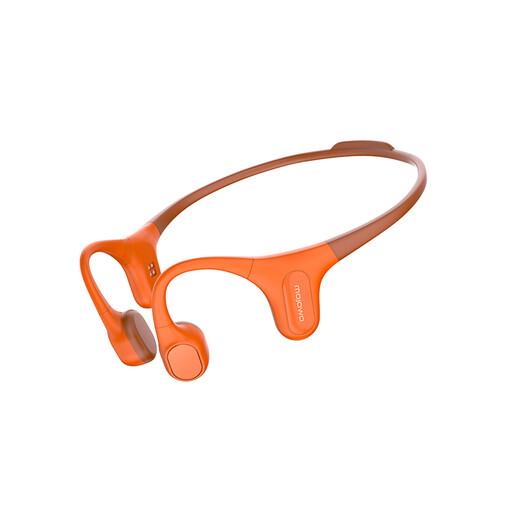
Why it suits this profile: The product information lists IP68 water resistance and 32 GB of built-in storage. This makes the model suited to users who run, cycle, train or swim and don’t always want to take their phone with them.
The stated IP68 rating and MP3 storage make these a better fit for use in water than standard Bluetooth sports headphones. Always follow the manufacturer’s instructions when swimming.
32 GB of internal storage and, according to the product information, a high water-resistance rating for sports use.
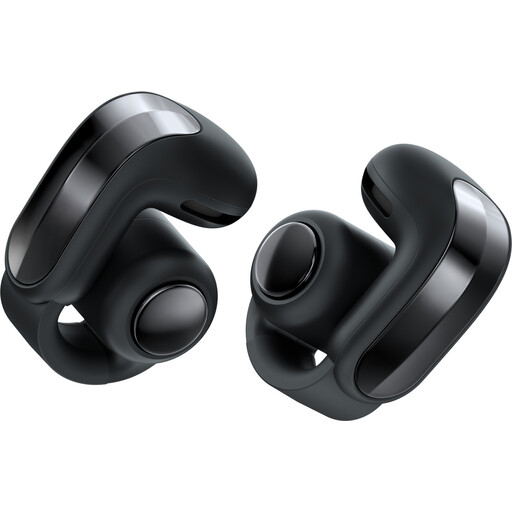
Why it suits this profile: The open design, built-in microphone, Bluetooth 5.4 and Bose app controls are geared towards everyday use while travelling, walking and working.
The product details list IPX4 protection against splashes and up to 9 hours of listening time. This makes it clear that the model isn’t intended for swimming.
OpenAudio design, microphone, Bluetooth 5.4 and a charging case that offers up to 28 hours of total playback, according to the product description.
We’ve put together a complete, up-to-date list of products that meet these strict selection criteria and the applicable European safety regulations.
They can be, depending on the fit and IP rating. Choose a model that stays securely in place when you move your head and can withstand sweat or light rain. Keep the volume low enough to hear traffic and other sounds around you.
Only if the manufacturer specifically says the model is suitable and its water-resistance rating is appropriate. An IPX4 model isn’t designed for immersion. Models with built-in MP3 storage, such as the Mojawa Run Plus, may be more practical for swimming because you don’t have to rely entirely on Bluetooth.
Their lifespan depends on charging cycles, moisture, temperature, cleaning and everyday use. Let a wet model dry before charging it, use suitable cables and avoid listening at high volume for long periods. Also check the statutory guarantee and the instructions on the product page.
