
Vandaag of morgen in huis

Kwaliteit gegarandeerd

Welkomstaanbiedingen ontgrendelen: GRATIS bezorging | Tot 80% korting | Gratis 30 dagen JoyPlus-proefperiode
Download de app
Listening to music while running, following a podcast on your bike, or staying reachable at the office without being completely isolated. The demand for open-ear headphones is growing, and so is the market. But not every model that promises safety and comfort delivers on that promise.
Many buyers fall into the same traps: they choose a model with an uncomfortable fit, are misled by vague claims about the technology, or buy headphones that fail after a few rain showers. This article will help you avoid these mistakes and find a model that truly fits your lifestyle.
Before you make a choice, it's important to know what often goes wrong. Manufacturers use marketing terms that create more confusion than clarity. Pay attention to the following points:
To avoid a bad buy, focus on a few key specifications. These will determine if a pair of headphones is right for you.
The core principle of open-ear headphones is that your ear canal remains unobstructed, allowing your wireless earbuds to let ambient sound in. However, the way the sound reaches your ear differs.
The wearing style determines comfort and stability, especially during sports.
The IP rating indicates how well a device is protected against dust and moisture. For safe headphones in traffic that can handle all weather conditions, this is a critical factor.
Based on these criteria, we have selected a few models that suit different user profiles.
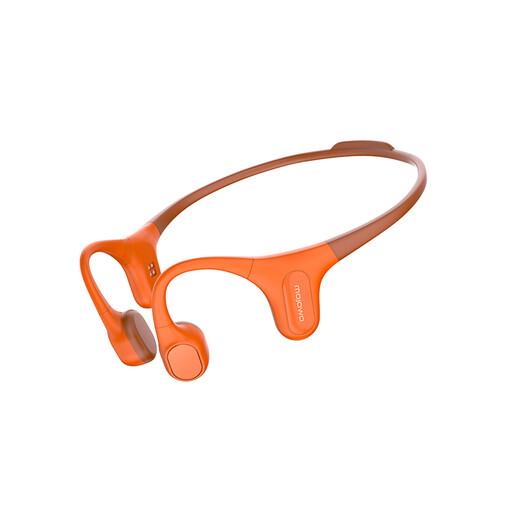
Why This Fits Their Persona: Ideal for runners and cyclists who need a stable fit and maximum situational awareness. The neckband ensures the headphones don't shift during intense workouts.
This model bypasses the "one-size-fits-all" myth with a stable neckband designed for movement, unlike loose clips that can fall off.
Bone conduction technology keeps the ear canal completely open for optimal safety. Its water resistance is suitable for sweat and rain.
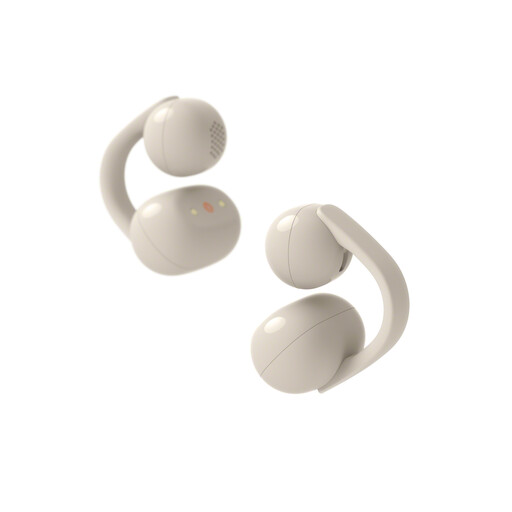
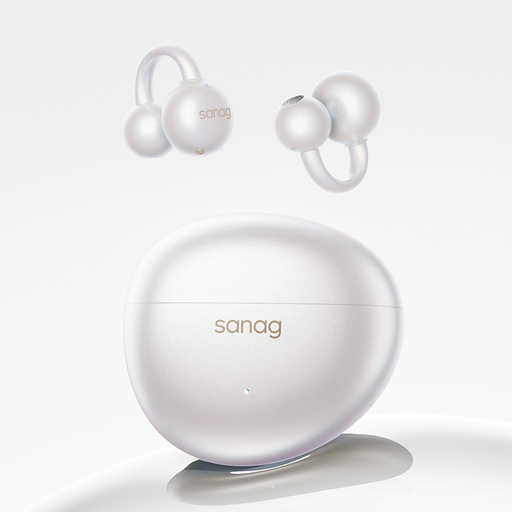
Why This Fits Their Persona: For those who need to stay connected all day without tuning out colleagues. The lightweight, discreet ear clip design is comfortable for extended wear and is less conspicuous than a neckband.
This model is clearly an air conduction ear clip. It avoids confusion by not using the term "bone conduction," targeting users who prefer a more traditional sound experience.
According to Sony, features like AI-powered noise reduction ensure clear calls, even in a noisy environment. The charging case provides a long total battery life.
Why This Fits Their Persona: Specifically designed for swimmers. Thanks to its high waterproof rating and built-in MP3 player, you can listen to music while swimming laps without relying on a Bluetooth connection.
This model solves the pitfall of false promises about water-resistance with a verifiable IP68 rating, which means it is genuinely suitable for submersion.
The combination of an IP68 waterproof rating and 32GB of built-in storage makes this a rare product that is fully functional while swimming.
We have compiled a complete, up-to-date list of products that meet these selection criteria and comply with current safety standards.
Bone conduction delivers sound via vibrations, which can result in less emphasis on bass but also minimal sound leakage to your surroundings. Air conduction (ear clips) often sounds more like traditional earbuds with a fuller sound, but may be slightly more audible to bystanders. The choice depends on your priority: maximum awareness or a richer audio experience.
For most people, they are a supplement. Open-ear models are ideal for sports, work, and situations where you need to stay alert. For a fully immersive music experience without ambient noise, such as on public transport or at home, traditional (noise-cancelling) headphones are often still preferred.
Battery life varies by model but typically ranges from 6 to 10 hours on a single charge. Models with a charging case, like many ear clips, offer a much longer total playback time. Always check the specifications: the listed battery life of the earbuds themselves is most important for a long sports session or workday.
