
Vandaag of morgen in huis

Kwaliteit gegarandeerd

Welkomstaanbiedingen ontgrendelen: GRATIS bezorging | Tot 80% korting | Gratis 30 dagen JoyPlus-proefperiode
Download de app
Open-ear earbuds let you listen to music, podcasts and phone calls without completely blocking your ear canal. That makes them an appealing choice for running, cycling, walking, working out and commuting. However, models can vary considerably in fit, water resistance, battery life and call quality.
So the right choice depends not on a catchy marketing term, but on the technical details and how you plan to use them.
An open design lets in ambient sound, but your music can still mask traffic noise if the volume is too high. Some manufacturers recommend open designs for outdoor activities, but that doesn’t guarantee you’ll hear well enough in every traffic situation. Keep the volume moderate and stay alert when you’re out and about.
Also check local traffic rules. Don’t use controls that distract you while cycling, and don’t wear earbuds when you need your full concentration.
An IPX4 or IP54 rating doesn’t mean you can swim with the earbuds. IPX4 is designed to protect against splashes and sweat in limited conditions. IP54 adds protection against dust, but still isn’t suitable for immersion.
So check whether you’re looking for water-resistant sports earbuds for a gym session, or a model that the product specifications say is suitable for more intensive contact with water.
Advertised playback time depends on volume, codec, connection, calls and use of the charging case. Battery life “with case” is different from the playback time of a single charge. Also check the charging time and port, and whether fast charging is supported.
With wireless open-ear earbuds, the speaker usually rests beside or above the ear. A model with ear-hook earbuds can offer extra stability when running or working out. For example, the SHOKZ OpenFit Air has an ear-hook design and weighs 8.7 grams per earbud according to the product specifications.
A bone conduction headset works differently: sound is transmitted through contact points near the ear and skull, without the speaker sitting directly in the ear canal. This can be a comfortable option for anyone who doesn’t want to put anything in their ears. Fit around the head and pressure at the temples are important things to consider.
Bluetooth 5.2 or 5.3 provides a modern wireless connection, but on its own it doesn’t tell you everything about range or sound quality. Check which profiles and features are supported too, such as multipoint. This is useful if you want to connect to a phone and laptop at the same time.
A Bluetooth open-ear headset with a microphone is suitable for hands-free calls, but call quality can be affected by wind, traffic and the microphones’ noise reduction. If you make a lot of calls outdoors, multiple microphones and good wind filtering matter more than the Bluetooth version alone.
A secure fit and sweat protection are important for running and cycling. An ear hook, clip or neckband can help stop an earbud from falling out as you move. Also consider the weight, the shape of your ears and the controls. A touch panel can be handy, but accidental touches are frustrating when you’re wearing a hat or glasses.
A true wireless earbuds model gives you plenty of freedom to move, while a bone conduction model or neckband is less likely to get lost. Choose based on your training, not just the look.
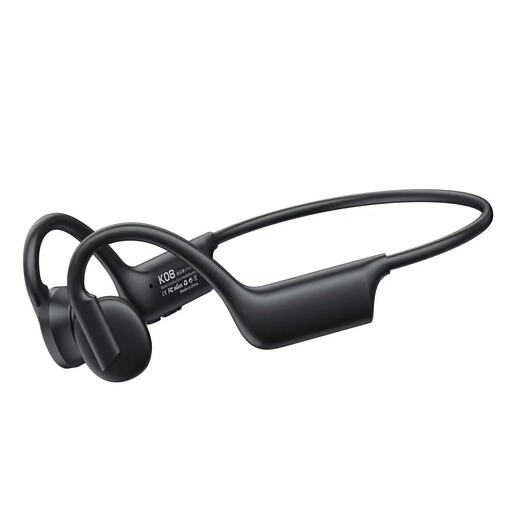
Why it suits this profile: An accessible option for anyone who wants to try open-ear listening and wireless controls for walking, cycling or everyday use.
The description mentions an ear hook, Bluetooth, voice control and an advertised battery life of up to 8 hours. Be sure to check the water warnings and fit before buying.
Bone conduction design, Bluetooth, and support for calls and multipoint, according to the product information.
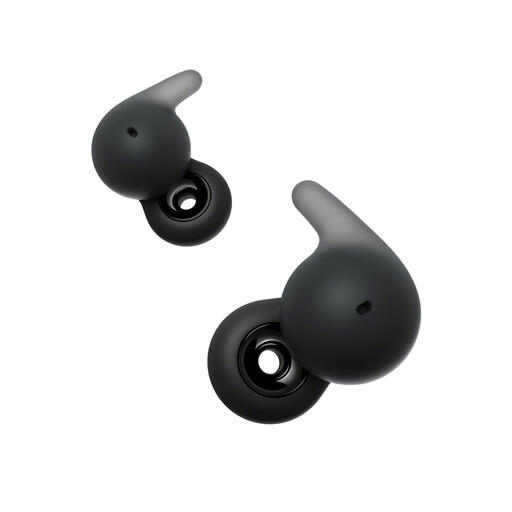
Why it suits this profile: Designed for everyday listening and podcasts, with the option to switch between two devices using multipoint.
The specifications list Bluetooth 5.3, multipoint and IPX4. This makes the earbuds suitable for sweat and splashes, but not immersion.
11 mm ring driver, microphone, voice assistant and an advertised total battery life of 22 hours in the product description.
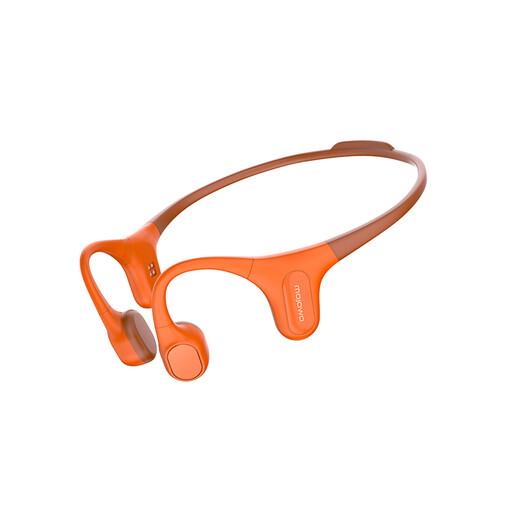
Why it suits this profile: A good option for athletes looking for an open design for running, cycling, working out and activities where a sturdy construction is useful.
The product name lists IP68 and 32 GB of built-in storage. Before buying, check the full manual and charging instructions for use in or around water.
Bone conduction, Bluetooth and 32 GB of storage, according to the product information. This may let you play music without your phone.
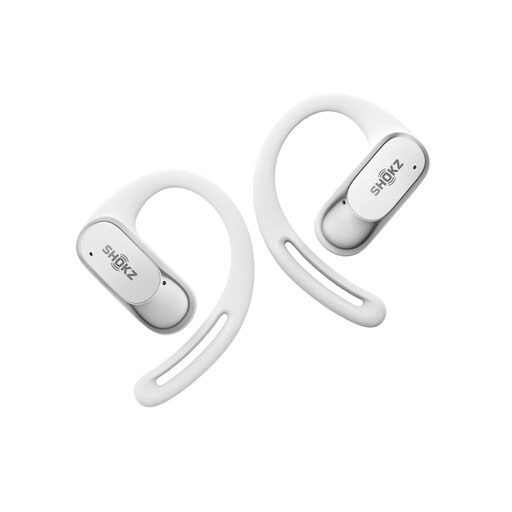
Why it suits this profile: A practical choice if you want to combine music and calls with an ear hook and wireless controls.
According to the product information, IP54 protects against dust and splashes. The manual warns against immersing this model or using it in heavy rain.
Bluetooth 5.2, built-in microphone, 40mAh batteries in each earbud and a 600mAh charging case.
We’ve put together a comprehensive, up-to-date list of products that meet these strict selection criteria and the applicable European safety regulations.
They can be suitable if you want to stay aware of the sounds around you, but they’re no substitute for staying alert. Keep the volume low enough, avoid using the controls at critical moments in traffic, and check that the fit stays secure as you move.
Their lifespan depends on charging cycles, moisture, temperature and everyday use. A charging case protects the earbuds, but let them dry before putting them away. Use only the supplied or compatible charging accessories, and avoid listening at high volume for long periods.
Not every bone conduction model is waterproof. Check the specific IP rating. IPX4 is designed for splashes, while a higher rating may offer more protection according to the product specifications. Always check the manual before using a model near pool water or in the shower.
