
Vandaag of morgen in huis

Kwaliteit gegarandeerd

Welkomstaanbiedingen ontgrendelen: GRATIS bezorging | Tot 80% korting | Gratis 30 dagen JoyPlus-proefperiode
Download de app
Open-ear earbuds are designed for people who want to hear music, podcasts or phone calls without completely blocking the ear canal. This can be useful when commuting, walking, working or exercising. However, “open ear” does not automatically mean that every model is comfortable, safe or suitable for use in the rain.
Product information and technical specifications vary considerably. If you only focus on Bluetooth, an eye-catching design or long battery life, you may end up buying a model that is less suitable for everyday use after a few weeks.
Open-ear headphones can leave the ear clear with a clip, ear hook or speaker positioned next to the ear. Bone-conduction headphones use a different design and are usually positioned against the temporal bone. The listening experience, fit and sound reproduction are therefore not the same.
So check whether you are looking for a clip-on model, earbuds with an ear hook or an actual bone-conduction model. A product name may combine several terms, even though the design itself uses only one of these principles.
In practice, the IPX4 rating means protection against splashing water, such as sweat or light rain. It is not a rating for immersion. The Baseus Bowie MC1 even explicitly states that the earbuds and charging case must not be exposed to water, rain or high humidity.
Water-resistant earbuds are therefore not automatically suitable for every type of exercise. According to Mojawa’s product information, IP67 offers greater protection against dust and temporary immersion, but you should always check the official conditions of use. A charging case may have a different level of protection from the earbuds themselves.
One manufacturer may quote the earbuds’ playback time only, while another includes the charging case’s capacity. Pay attention to the difference between:
A model with long total battery life is not automatically more convenient if the earbuds themselves run out quickly or the case needs frequent charging.
A clip-on earbud rests on the outside of the ear and can feel lightweight. An ear hook generally provides extra support when moving, but it may cause pressure if its shape does not suit your ear. For running and cycling, stability is more important than the lowest possible weight.
Also consider the size and material. The TALIX G1 lists a weight of 5.2 grams per earbud and a silicone ear hook. These are verifiable details, but comfort still depends on the shape of your ears and the way you choose to wear them.
Bluetooth 5.3 or 5.4 can offer benefits in terms of power consumption and connectivity, but the version alone does not determine the complete user experience. Also check:
The Baseus Bowie MC1 lists Bluetooth 5.4 and a range of up to 10 metres in an open environment. The Verbex M8 uses Bluetooth 5.4 and lists a range of up to 15 metres. Obstacles, body movement and interference can affect the actual range.
If you make regular calls, you should not focus solely on the number of microphones. Wind, traffic and reverberation can have a significant effect on clarity. According to the product information, the TALIX G1 has four microphones and noise reduction for calls. The Sony LinkBuds Clip also lists a microphone and voice-processing features.
These are specifications and brand claims, not a guarantee of a perfect call in every environment. According to Sony’s own information, there are several playback modes and voice-processing features. For important meetings, check that your phone or laptop is using the correct microphone source.
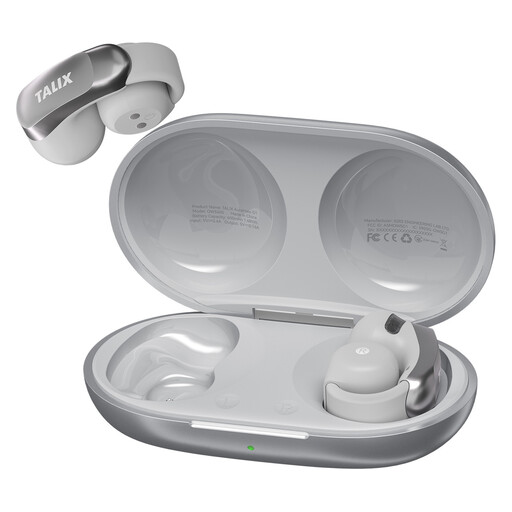
Why this suits the profile: The clip-on fit, Bluetooth 5.3 and stated 7-hour playback time per charge make this a practical entry-level option for everyday use, work and light exercise.
The product information lists the battery life per earbud separately from the total 28 hours with the charging case. IPX4 is also clearly stated, so you are less likely to mistake this model for a fully waterproof product.
5.2 grams per earbud, four microphones, Bluetooth 5.3, fast charging and a silicone ear hook.

Why this suits the profile: This model is aimed at users who want to combine an open design, adjustable sound and call features for everyday listening.
The listing distinguishes between 9 hours of playback on the earbuds and up to 37 hours with the charging case. IPX4 is described as splash resistance, not protection against immersion.
Bluetooth 5.3, a 10-band equaliser according to the product information, a microphone, USB-C and fast-charging functionality.
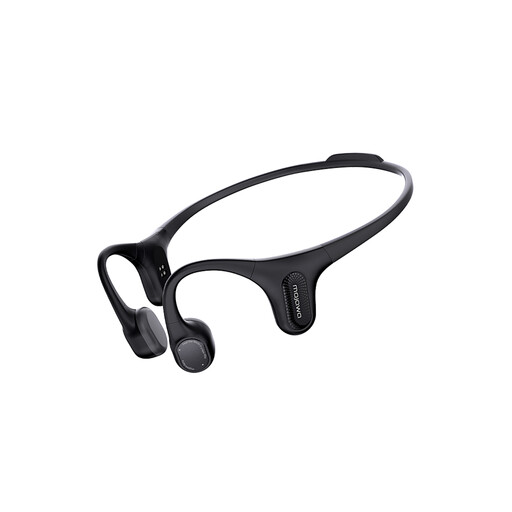
Why this suits the profile: According to the product information, this model is designed for sport and outdoor use, with a bone-conduction design, Bluetooth, a microphone and an IP67 rating.
The specifications explicitly state the IP67 rating and use for running and cycling. However, check that the fit is suitable for your ear and the intensity of your training.
Open-ear bone-conduction design, IP67 according to the product listing, wireless Bluetooth connectivity and a built-in microphone.
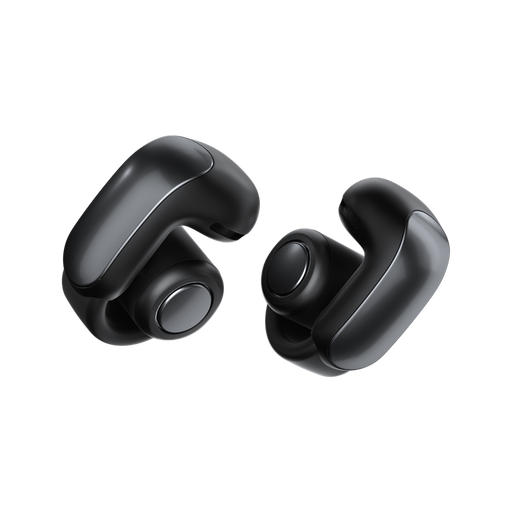
Why this suits the profile: The open design, Bluetooth 5.3 and stated battery life of up to 7 hours are well suited to everyday listening and calls where you want to remain aware of your surroundings.
The product information mentions both the open design and IPX4. This makes it clear that you may still hear ambient sound, but that the model is not intended for wet conditions or immersion.
Bluetooth 5.3, microphone, IPX4 rating and stated playback time of up to 7 hours.
We have put together a complete, up-to-date list of products that fully meet these strict selection criteria and the applicable European safety regulations.
An open design does not eliminate all traffic risks. Do not use wireless earbuds in situations that require your full concentration. Also follow the manufacturer’s warnings and avoid listening at high volume for long periods.
Also bear the following points in mind:
That depends on the fit, weight and water resistance. A model with an ear hook or bone-conduction design may stay more securely in place while you are moving. Do not use them as a substitute for paying attention to traffic. According to several product warnings, you should not use earbuds while cycling or in other situations where awareness of your surroundings is crucial.
Playback time per charge is roughly 7 to 9 hours for the models mentioned, depending on the product. Battery capacity decreases over time. Do not store the earbuds in heat for extended periods, and prevent a lithium battery from being pierced, crushed or exposed to fire.
Yes, models with a microphone can be used for this purpose. A single microphone function is often sufficient in a quiet workplace, while multiple microphones and voice processing can be useful in a busy environment. Always check which microphone your computer or phone selects and whether Bluetooth is compatible with your device.
