
Vandaag of morgen in huis

Kwaliteit gegarandeerd

Welkomstaanbiedingen ontgrendelen: GRATIS bezorging | Tot 80% korting | Gratis 30 dagen JoyPlus-proefperiode
Download de app
Want to listen to music while cycling, walking or travelling without shutting yourself off from your surroundings completely? Open-ear earbuds could be a practical choice. They sit in or around your ears without completely blocking the traditional ear canal. This makes it easier to hear traffic, conversations and announcements.
However, not all wireless earbuds with an open design are the same. A low price might seem appealing, but unclear water-resistance claims, limited battery life or a poor fit can quickly make them less comfortable to use. Here are the key things to look out for, along with some product options for different needs.
Open-ear earbuds let in sounds from your surroundings, but that doesn’t mean you’ll always hear everything clearly. Wind, heavy traffic and loud music can still mask important sounds. So keep the volume at a moderate level and take extra care in traffic. Open-ear headphones are no substitute for judging the situation for yourself.
Manufacturers often quote the maximum listening time with the charging case. This isn’t the same as the listening time from a single full charge. So check both figures:
A model with a large case can be handy for commuting, but it also takes up more space.
Check the IP rating. IPX4 generally means protection against splashes, such as light rain or sweat. It doesn’t mean you can submerge the earbuds or rinse them under a tap. Products without a clear IP rating are less suitable for exercising in changeable weather.
Open-ear earbuds can be worn as a clip, hook or loose-fitting earbud. Clip- or hook-style models put less pressure on the ear canal, but may fit differently depending on the shape of your ears. Look out for:
According to the product description, the Sony LinkBuds Open have an ergonomic design and weigh 4.8 grams per earbud. The fit can feel very different with another model, even if the weight is similar.
For everyday use, Bluetooth 5.3 or higher is a current specification, but the Bluetooth version alone doesn’t guarantee a reliable connection. Also check whether the model supports multipoint. This lets you keep it connected to, for example, a laptop and smartphone at the same time.
If you often switch between work and personal devices, multipoint could be useful. For straightforward music listening, a standard Bluetooth connection is usually enough. Also check whether you need the companion app for equaliser settings, firmware updates or controls.
Compare battery life under similar conditions. A model with, for example, 9 hours of playback without the case could suit long working days, while one that charges quickly may be handy if you often forget to charge your earbuds.
For exercise and outdoor activities, water-resistant earbuds with a clear splash-resistance rating are more practical. Always check the conditions on the product page, and dry your earbuds after using them in the rain or when you’ve been sweating heavily, before putting them away.
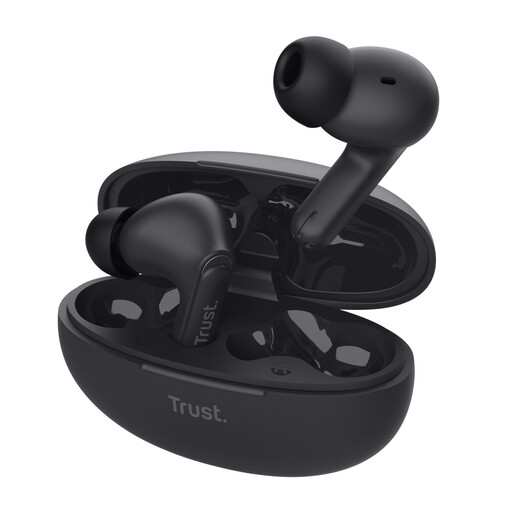
Why it suits this profile: This model is designed for everyday use and calls, for example on your commute or at home. It’s a traditional in-ear option, so it isn’t fully open-ear.
The product specifications state 6 hours of listening time per charge and 23 hours with the case. This gives you a clear idea of what to expect day to day.
USB-C, touch controls, a microphone and a casing made from 35% recycled plastic, according to the product description.
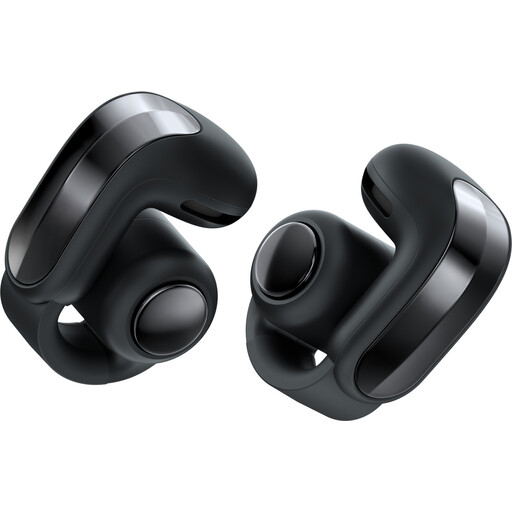
Why it suits this profile: The open design suits people who want to stay aware of their surroundings while walking, travelling or commuting.
The stated IPX4 rating makes it clear that these earbuds are protected against splashes, not designed for use underwater. The product specifications also state a battery life of up to 9 hours.
Bluetooth 5.4, an open-ear fit, on-ear controls and wireless charging for the case, according to the listed product specifications.
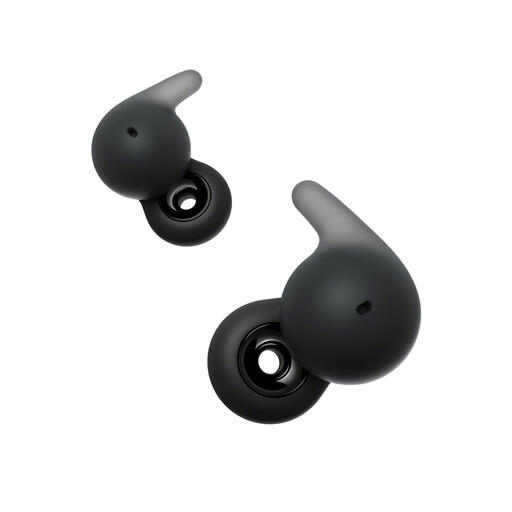
Why it suits this profile: These lightweight open-ear earbuds are designed for extended wear and activities such as walking or exercising, where you want to keep hearing the sounds around you.
IPX4 gives a clear indication of protection against splashes. However, check the current product variant: the information provided lists different battery figures for the earbuds and total use.
Bluetooth 5.3, multipoint connectivity, an 11 mm ring driver and support for the Sony Sound Connect app.
We’ve put together a full, up-to-date list of products that meet these strict selection criteria and current European safety requirements.
They can be useful because they don’t completely block your ears. However, traffic, wind and other sounds can still affect what you hear. Keep the volume low and only use them when you can stay sufficiently aware of your surroundings.
The listening time per charge varies by model, volume and features. Don’t just look at the figure on the packaging; check the case’s battery capacity, charging time and whether replacement accessories are available too. Keep your earbuds in the case when you’re not using them, and avoid prolonged exposure to heat or moisture.
They generally use little power while charging. The main ongoing costs may come from accessories, a replacement charging case or replacing earbuds after they wear out. So check the warranty terms and choose a model with clear manufacturer and importer information.
