
Vandaag of morgen in huis

Kwaliteit gegarandeerd

Welkomstaanbiedingen ontgrendelen: GRATIS bezorging | Tot 80% korting | Gratis 30 dagen JoyPlus-proefperiode
Download de app
Open-ear earbuds are rapidly gaining popularity, and for good reason. They offer a unique combination: listening to your favourite music or podcast while remaining fully aware of your surroundings. Ideal for urban runners, cycling commuters, or in the office when you need to stay reachable.
But the market is flooded with models that promise the world. Many buyers fall into the same traps, ending up with earbuds that are irritating, have poor battery life, or are unusable for phone calls. Let's look at the most common missteps and how to avoid them.
clip-on earbuds are crucial.To make an informed choice, it's important to look past the marketing fluff and focus on the specifications that truly matter. These are the three most important points of focus.
Because these earbuds that don't go inside your ear rest on or around your outer ear, the fit is essential. There are roughly two popular styles:
wireless earbuds for sports.For comfortable earbuds for extended use, it's important to choose a model that is lightweight and made of skin-friendly material, such as soft silicone.
If you plan to use the earbuds while exercising or in the rain, the IP rating is a non-negotiable specification. The IP code (Ingress Protection) indicates how well a device is protected against dust and moisture. For earbuds, you mainly look at the second digit.
water-resistant earbuds. It means they are splash-proof and can therefore withstand sweat and a light rain shower. For most athletes and daily use, this is sufficient.Good Bluetooth earbuds that let in ambient sound should not only sound great but also be reliable for calls.
Based on these criteria, we have selected a few models that suit different user profiles.
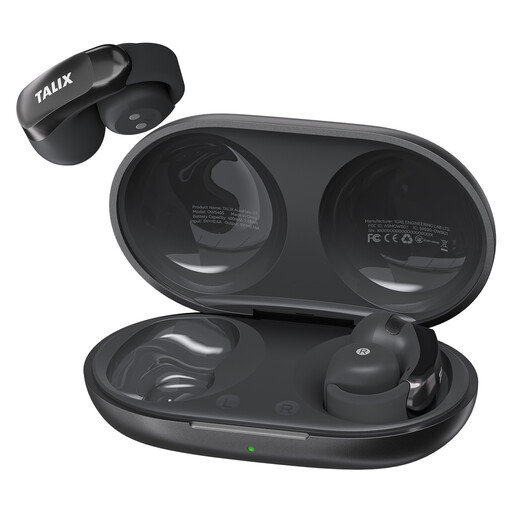
Why This Fits Their Persona: Specifically designed for movement. The soft silicone ear hook ensures a secure fit during running or cycling, while the ultra-light weight of 5.2 grams per earbud is barely noticeable.
Tackles the 'one-size-fits-all' myth with a flexible ear hook that provides extra security, preventing the earbuds from falling off during a workout.
IPX4 water resistance against sweat and rain. The 4-microphone array with noise cancellation ensures clear calls, even in windy conditions.
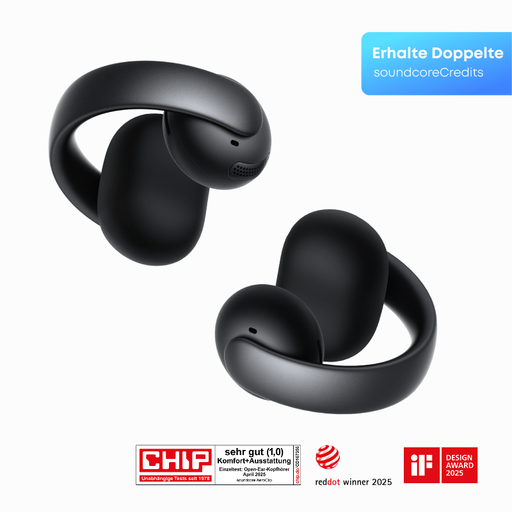
Why This Fits Their Persona: Ideal for those who are on calls all day and need to stay reachable. The open-ear design prevents pressure on the ear canal, making them comfortable for hours of conference calls or during commutes.
Addresses the pitfall of poor call quality. According to the manufacturer, 4 beamforming microphones and an advanced AI algorithm ensure clear conversations, even in noisy environments.
Focus on call quality and all-day comfort. According to Soundcore, the flexible design has been tested for durability and a comfortable fit.
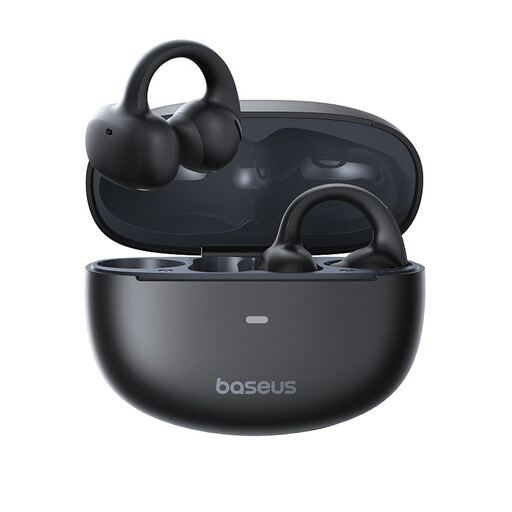
Why This Fits Their Persona: An excellent starting point for anyone looking to explore the world of open-ear without breaking the bank. This model offers modern technology like Bluetooth 5.4 at an accessible price.
Provides clear specifications on battery capacity (48mAh per earbud, 600mAh in the case), helping you avoid the battery trap and get a realistic picture of the usage time.
Modern Bluetooth 5.4 technology for a stable and efficient connection. Offers great value for the features provided.
We have compiled a complete, up-to-date list of products that fully meet these strict selection criteria and local regulations.
Use a soft, dry cloth to wipe the exterior. Avoid liquids, solvents, or abrasive materials. For the charging contacts on the earbuds and in the case, you can gently use a dry cotton swab to remove any dirt or dust.
At a normal listening volume, sound leakage on most modern open-ear earbuds is minimal. In a very quiet environment, like a library or a silent office, someone sitting right next to you might hear something if you turn the volume up very high. However, in most daily situations, this is not an issue.
Yes, most clip-on earbuds and models like the Sony LinkBuds Clip are designed to be worn comfortably with glasses. Because they rest on the auricle and do not go into the ear canal, they generally do not interfere with the arms of a pair of glasses.
