
Vandaag of morgen in huis

Kwaliteit gegarandeerd

Welkomstaanbiedingen ontgrendelen: GRATIS bezorging | Tot 80% korting | Gratis 30 dagen JoyPlus-proefperiode
Download de app
You want to listen to music or a podcast while running, cycling, or at the office, but you also need to stay aware of your surroundings. Traditional earbuds completely seal you off, which can be unsafe in traffic or inconvenient at work. Open-ear earbuds seem like the perfect solution, but the market is flooded with models that overpromise and underdeliver.
As a Product Recommendation Officer at Joybuy, I see the challenges consumers face every day. Many open-ear models suffer from a few persistent problems. Before you make a choice, it's wise to know the most common pitfalls:
By paying attention to a few key specifications, you can easily sidestep these issues and choose a model that truly suits your needs.
Don't get distracted by marketing jargon. Focus on the specifications that actually matter in practice. For open-ear earbuds, these are the three most important points of focus.
The way the earbuds sit on your ear determines their comfort and stability. Most models fall into the category of clip-on earbuds or ear clip earbuds. These gently clamp onto your outer ear. The advantage is that they leave your ear canal completely open, providing a natural feel and maximum environmental awareness. This type is ideal for long-term use, as it creates no pressure inside your ear. Pay attention to the material (soft silicone is a plus) and the shape. Some models are specifically designed for a stable fit during sports. These are the earbuds that don't go into your ear canal and therefore remain comfortable.
Always look at two numbers: the battery life of the earbuds on a single charge and the total playback time including the charging case.
If you plan to use the earbuds outdoors, water resistance is not a luxury but a necessity. The IP rating indicates how well a device is protected.
To help you with your choice, we've matched several popular models to different user profiles. These recommendations are based on their specifications and how they meet specific needs.
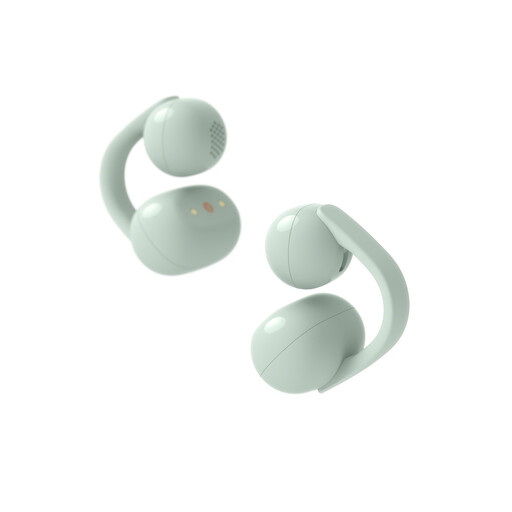
Why This Fits Their Persona: Specifically engineered for an active lifestyle. The fit is designed for stability during running or cycling, while the open design keeps you aware of traffic. The IPX4 rating makes them resistant to sweat and rain.
The design focuses on a secure fit that doesn't irritate or fall out, avoiding the pitfall of 'false comfort' and instability.
IPX4 water resistance and a 9-hour battery life on a single charge, ideal for long training sessions.
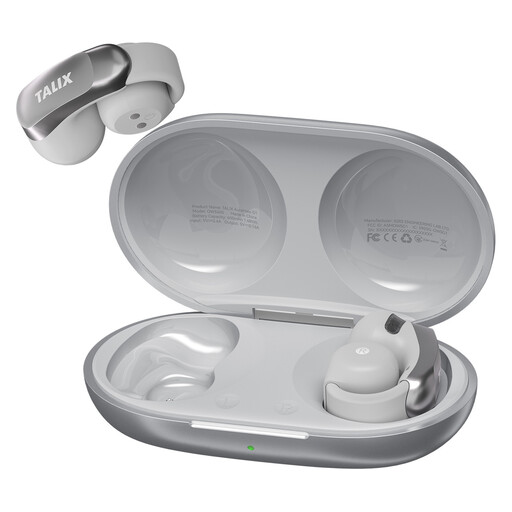
Why This Fits Their Persona: Weighing only 5.2 grams per earbud, these are designed for all-day comfort. The 4-microphone setup with noise reduction ensures clear phone calls, even on a noisy train or in the office.
The total battery life of 28 hours (7 hours per charge) and the fast-charging feature (10 min charge for 2 hours of listening) prevent the 'dead battery' pitfall.
Ultra-lightweight design for long-lasting comfort and a 4-microphone array for superior call quality.
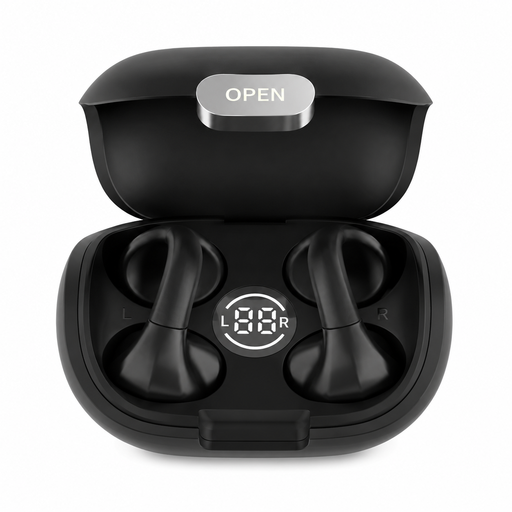
Why This Fits Their Persona: Ideal for those who want to try the open-ear concept without a major investment. This model offers the basic features in an accessible package, including a charging case with a digital display for battery status.
It offers modern specs like Bluetooth 5.4 for a stable connection, so you don't feel like you're buying an outdated product for a low price.
A highly accessible price point and a charging case with a battery display, which is convenient for daily use.
We have compiled a complete, up-to-date list of products that meet these selection criteria and all applicable safety regulations.
Yes, because your ear canal is not blocked, you can still hear important ambient sounds like approaching traffic, bicycle bells, or sirens. This significantly increases your situational awareness compared to traditional in-ear earbuds or noise-cancelling headphones. They are a popular choice for urban runners and cyclists.
This largely depends on the quality and design of the earbuds. Cheaper models can suffer from significant sound leakage at higher volumes. Models from brands like Sony often include technology that, according to the manufacturer, directs sound towards your ear and minimises leakage, so you won't cause a disturbance in a quiet environment like an office or library.
Since they don't go inside your ear canal, they are easier to keep clean. Use a soft, dry cloth to wipe the exterior. For the charging contacts, you can use a cotton swab to remove any dirt or sweat. Avoid using water or cleaning agents unless the manufacturer explicitly states it is safe to do so. Always check the IP rating.
