
Vandaag of morgen in huis

Kwaliteit gegarandeerd

Welkomstaanbiedingen ontgrendelen: GRATIS bezorging | Tot 80% korting | Gratis 30 dagen JoyPlus-proefperiode
Download de app
An open-ear bone conduction headset can be useful when running, cycling or working out. Your ears remain largely unobstructed, allowing you to hear your music without placing traditional earbuds deep inside your ear canals. However, not every model is suitable for the same sports. Claims about water resistance, battery life and built-in storage in particular require closer inspection.
The term “waterproof” can cover different levels of protection. A model that can withstand sweat or rain may not be suitable for prolonged immersion. Always check the stated IP rating and see whether the product description explicitly mentions swimming.
Also pay attention to the difference between Bluetooth use and built-in storage. Underwater, a Bluetooth connection to a smartphone is not always practical. For swimmers, a headset with 32 GB MP3 storage is therefore more interesting than a model that only plays music wirelessly from a phone.
An open-ear model is designed not to seal your ears completely. This can be useful in traffic or during a gym session, but it also means that ambient noise remains audible. So do not expect the same level of sound isolation as with closed noise-cancelling earbuds.
With a bone conduction model, the product description states that sound is transmitted through contact points near the head. The fit, the position of the band and the volume all affect the listening experience. Do not turn the volume up unnecessarily and take regular breaks. Listening at a high volume for extended periods can cause hearing damage.
A Bluetooth headset with a microphone can make it possible to take calls while walking or exercising. However, clarity depends on wind, traffic and the position of the microphone. If you often run outdoors, it is worth comparing user feedback and product specifications rather than relying solely on the term “call noise reduction”.
Bluetooth is practical for everyday use: you can pair the sports headphones with a smartphone, smartwatch or tablet. Check which Bluetooth version is listed and whether the device works with your phone.
A built-in MP3 player can be useful when you want to train without your smartphone. Do not just look at the storage capacity: also check the supported file formats, how music is transferred and how the device is controlled during exercise. 32 GB of storage sounds generous, but how useful it is depends on the software and file support.
For running and fitness, protection against sweat and light rain is relevant. For swimming, the product information must explicitly state that the model is designed for this purpose. Never charge wireless sports headphones in a damp environment. Use the supplied cable or charger where specified, and dry the device thoroughly before charging.
An open-ear bone conduction headset should stay securely in place without causing uncomfortable pressure. Check whether the band is flexible and whether the contact points fit properly. For long training sessions, a low weight and simple buttons are more important than extra features you are unlikely to use while exercising.
Pay attention to your surroundings too. Open-ear does not automatically mean that you can judge all traffic noise accurately. Stay alert and keep the volume at a level that still allows you to hear what is happening around you.
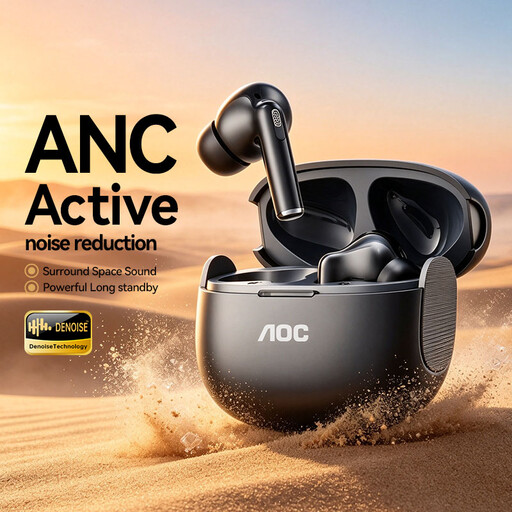
Why it suits this profile: These wireless earbuds are a straightforward choice for everyday use, commuting and light workouts. Please note: this is not a bone conduction model, and the product information does not state that it is suitable for swimming.
The specifications mention Bluetooth 5.4, touch controls and a charging case. No unsubstantiated waterproofing claim is added.
Bluetooth 5.4, a digital display on the charging case and touch controls.
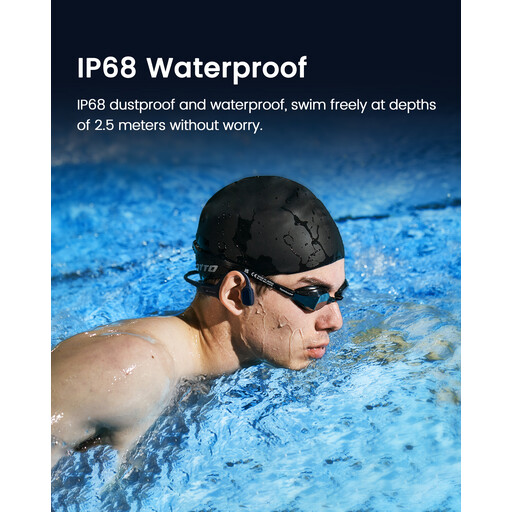
Why it suits this profile: This model most directly matches the search for an open-ear bone conduction headset for workouts, swimming and running.
According to the product description, the model is intended for swimming, workouts and running. Before buying, check the exact water rating in the manual.
Open-ear bone conduction design, microphone, Bluetooth and, according to the product description, 32 GB of MP3 storage.
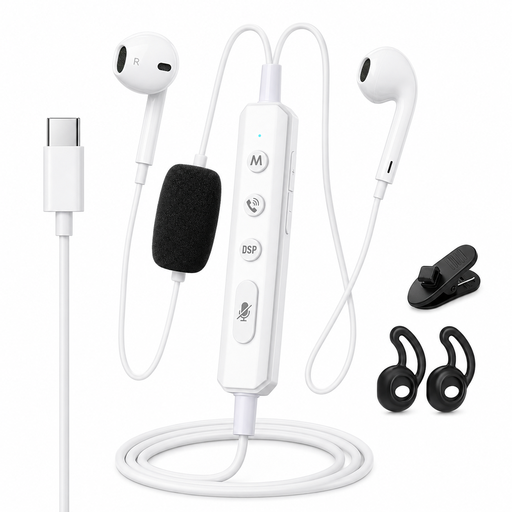
Why it suits this profile: This model is designed for live streaming, karaoke and recording. It suits users who consider a microphone and Type-C connection more important than wireless use during exercise.
The product information states that this is a wired half-in-ear model and advises avoiding water. This means it is not a hidden choice for swimming.
Type-C connection, built-in sound card, and features for monitoring, karaoke and recording.
We have compiled a complete, up-to-date list of products that fully meet these strict selection criteria and the applicable European safety regulations.
It can be, provided the fit is stable and the model is designed for sports use. An open-ear design allows ambient sound through, but stay alert in traffic. Also check whether the controls are easy to reach while running.
Not every Bluetooth model is suitable for this. Bluetooth has limitations underwater, and a standard sweat-resistant sports headset is not automatically suitable for immersion. Only choose a model for swimming when the product information clearly states this and check the water rating.
Its lifespan depends on charging habits, moisture, temperature and everyday use. Store the device in a dry place, do not charge it in a damp room, and clean the contact points regularly with a soft, dry cloth. Where possible, use the supplied cable and follow the instructions in the manual.
