
Vandaag of morgen in huis

Kwaliteit gegarandeerd

Welkomstaanbiedingen ontgrendelen: GRATIS bezorging | Tot 80% korting | Gratis 30 dagen JoyPlus-proefperiode
Download de app
Open-ear bone conduction sports headphones can be useful if you want to listen to music while running, cycling or working out without completely blocking your ear canals. However, many models look similar, even though they can differ considerably in fit, water resistance and storage.
Look out for these three common pitfalls:
Traditional bone conduction headphones use contact points near the cheekbones to transmit sound through vibrations. Your ears remain uncovered. Open-ear headphones can also use small speakers that rest in front of or above the ear without going into the ear canal.
Both designs help you stay aware of your surroundings, but the listening experience varies depending on the model and fit. On a busy street, you won’t necessarily hear every traffic sound clearly. Keep the volume moderate and stay alert.
Wireless Bluetooth sports headphones are suitable for listening to music and podcasts, and for making phone calls from your smartphone. Bluetooth alone is usually not enough for swimming: water can severely limit the connection. In that case, choose a model with MP3 storage and check that its swimming mode or built-in player is designed for this purpose.
An IP code consists of two digits. The first indicates protection against solid particles, while the second refers to water. A model rated IP67 waterproof is protected against temporary immersion under certain test conditions, according to its stated rating. IP68 waterproof may indicate a higher level of protection against immersion, but the exact conditions vary by manufacturer.
So always check:
A rating doesn’t mean you can use the headphones for prolonged periods in any water conditions. For example, Mojawa recommends rinsing the Run Plus with fresh water after swimming or contact with salt water, then drying it completely.
Bluetooth is practical for running, fitness and cycling. For swimming, you’ll generally find headphones with MP3 storage more useful, as your phone won’t stay nearby and Bluetooth has limited functionality underwater.
Be aware of the difference between:
A model with 32 GB, such as several Mojawa and Verbex versions in this range, may suit a larger music collection. Check the manual to see which file formats are supported.
Headphones with an ear hook or neckband often stay more secure during intense activity than a loose-fitting open-ear model. Ear-clip models grip around or on the ear and can be comfortable if you don’t want a neckband. Fit is personal, so consider the material, weight, control buttons and position of the transducers.
The stated battery life depends on the volume, Bluetooth use, calls and other features. If you’re swimming, it’s a good idea to check the battery beforehand, as charging while the magnetic contacts are damp can cause a short circuit.
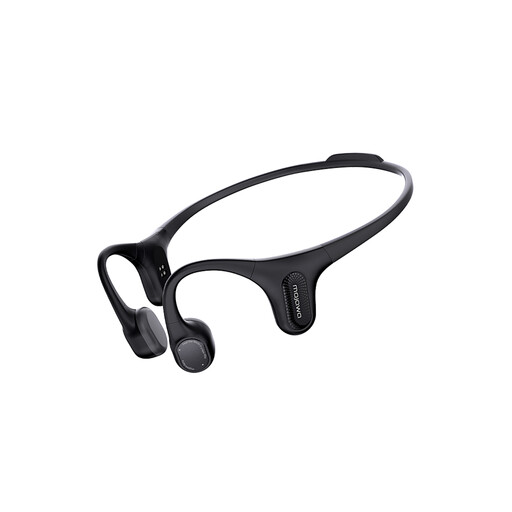
Why it suits this profile: These wireless open-ear headphones are designed for running, cycling and general workouts. The built-in microphone lets you take calls on the go.
The product information clearly states an IP67 rating. This clarifies that the headphones are protected against water and dust, but doesn’t automatically mean they’re suitable for swimming.
Open-ear design, Bluetooth connection, microphone and a fit that the product description says is designed for sport.
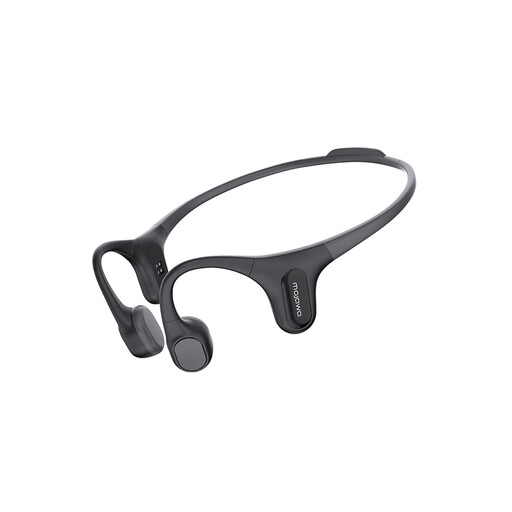
Why it suits this profile: A combination of open-ear Bluetooth, 32 GB of MP3 storage and a stated IP68 rating makes this a good fit for anyone looking for one model for everyday training and swimming.
The built-in storage means you don’t have to rely entirely on a Bluetooth connection while swimming. Rinse the model after contact with salt water and only charge it once the contacts are dry.
32 GB of built-in storage, an open-ear design and IP68 protection according to the product listing. The specifications also mention support for sport and everyday use.
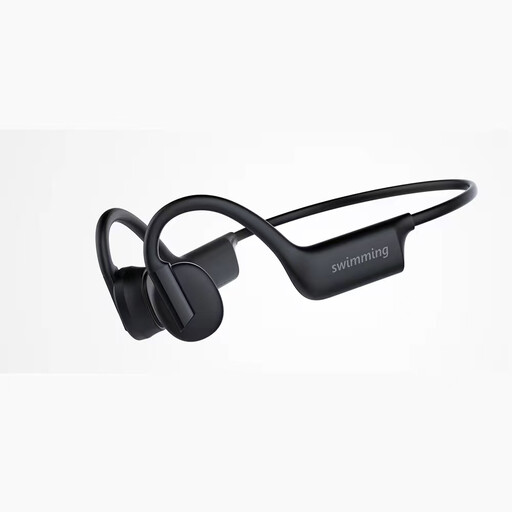
Why it suits this profile: According to the product specifications, this model is designed for swimming, running and other sports. The combination of built-in storage and an ear-hook design is practical for intensive use.
The listing states IPX8, 32 GB of storage and a swimming function. For swimming, use the built-in player if instructed to do so in the manual, and keep the magnetic charging contacts dry.
32 GB of storage, stated IPX8 protection, Bluetooth and an ear-hook design. The product information gives a maximum battery life of 8 hours.
We’ve put together a complete, up-to-date list of products that meet these strict selection criteria and the applicable European safety regulations.
Not with every Bluetooth model. Water limits the range between the headphones and your smartphone. For swimming, a model with built-in MP3 storage is usually more practical. Also check whether the manufacturer specifically mentions swimming and what water conditions are permitted.
Their lifespan depends on charging habits, exposure to sweat and water, volume and storage. Rinse the model with fresh water after exposure to salt water or chlorinated water if the product instructions recommend it. Let it dry completely before charging, and don’t leave it for long periods in a hot car or damp gym bag.
Noise-cancelling headphones can reduce distracting sounds, but staying aware of your surroundings is important when exercising outdoors. An open design lets in ambient sounds, but it’s no substitute for staying alert yourself. When cycling or running, keep the volume low enough to hear traffic and other road users.
