
Vandaag of morgen in huis

Kwaliteit gegarandeerd

Welkomstaanbiedingen ontgrendelen: GRATIS bezorging | Tot 80% korting | Gratis 30 dagen JoyPlus-proefperiode
Download de app
Open-ear bone conduction headphones can be useful if you want to listen to music while running, cycling or walking without blocking your ear canals. However, not every model is suitable for every sport. Marketing claims such as “waterproof”, “noise cancellation” and “long battery life” only tell you so much until you check the specifications behind them.
The main pitfalls to watch out for are:
Bone conduction headphones usually position the transducers near your cheekbones. Your ears stay uncovered, so you can still hear the sounds around you. Ear-clip or open-ear headphones, on the other hand, play sound through small speakers positioned next to your ears. Neither design fully blocks your ears, but they differ in how they feel to wear and how they sound.
Pay attention to the fit. A model with a rigid band may stay securely in place during a workout, while a compact ear-clip model may put less pressure on your ears for everyday use. You still need to stay alert in traffic: an open design is no substitute for looking around or behaving safely on the road.
An IP code consists of numbers and sometimes an “X”. The first digit generally refers to protection against dust; the second refers to water. In practice:
Rinse sports headphones with fresh water after contact with chlorinated or salt water. Only charge the device once the casing and magnetic charging contacts are completely dry. Water resistance can also decrease through wear and tear, drops or damaged seals.
Bluetooth is enough for everyday listening. If you don’t want to take your smartphone swimming, you’ll need headphones with MP3 storage. Built-in storage of 32 GB gives you considerably more space than a model that works only via Bluetooth.
Don’t just compare “up to” figures. Also check:
Sports earbuds with long battery life are particularly useful if you work out several times a week, but it’s still wise to charge them regularly. Don’t use a magnetic charging cable while the contacts are wet.
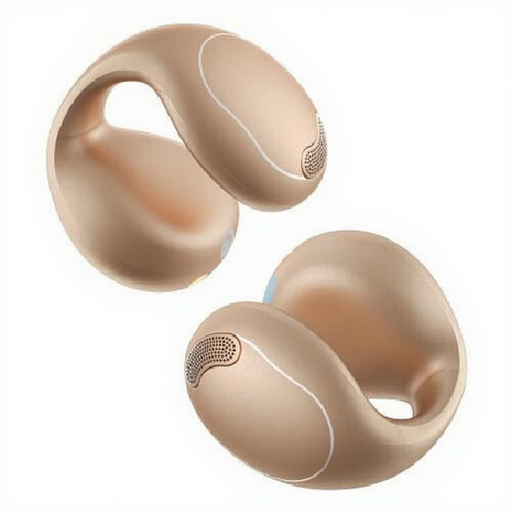
Why it suits this user: This open-ear model is designed for calls, music, sport and everyday use. Its button controls and Bluetooth 5.4 make it a straightforward choice if you want to get started without lots of extra features.
The product information clearly states an IPX4 rating. This helps avoid unrealistic expectations: these are not waterproof swimming headphones.
Bluetooth 5.4, two built-in microphones, a charging station and a stated weight of 60 grams.

Why it suits this user: The combination of an open design, Bluetooth, 32 GB of storage and an IP68 rating makes this a good match for runners, cyclists and anyone who wants to listen without their phone.
The stated IP68 rating and built-in MP3 storage make the main usage limits clear. Rinse the product after swimming and only charge it once it’s dry.
32 GB of built-in storage, an open-ear bone conduction design and support for running, swimming, cycling and fitness according to the product description.
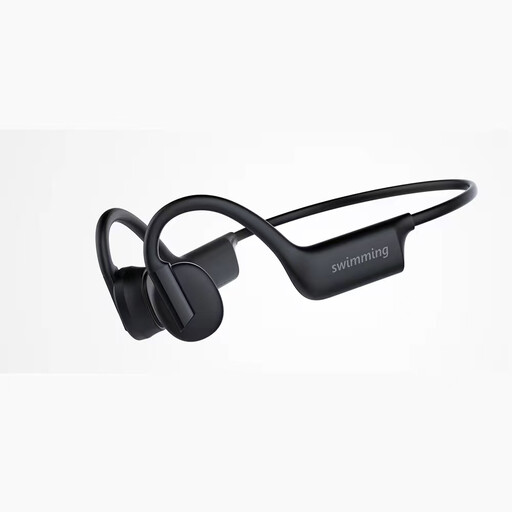
Why it suits this user: The product description lists 32 GB of memory, an IPX8 rating, Bluetooth and a maximum battery life of 8 hours. This makes it a good option for sports enthusiasts who value storage and water resistance.
The specifications list water resistance, storage and battery life separately. For swimming, make sure you use the correct mode, and check that the magnetic contacts are dry before charging.
32 GB of memory, up to 8 hours of stated battery life, Bluetooth connectivity and an ear-hook design.
We’ve put together a complete, up-to-date list of products that meet these strict selection criteria and current European safety requirements.
You can, but an open design doesn’t automatically make cycling safe. You’re still responsible for being aware of your surroundings and following the rules of the road. Don’t turn the volume up so high that you can no longer hear traffic, cyclists, sirens or conversations. Also check that the fit works with your helmet and head shape.
No. Bluetooth is less reliable underwater. That’s why swimming headphones often use MP3 storage and a dedicated swimming mode. Check that the product description explicitly mentions built-in memory. An IPX4-rated model is only designed to protect against splashes and isn’t suitable for submersion.
Their lifespan depends on charging habits, moisture, temperature and everyday use. Don’t leave a device wet for long periods, charge it with damp contacts or store it in a hot car. Use a moderate volume and take breaks, too. Stop using the headphones if they overheat, swell, leak or irritate your skin.
